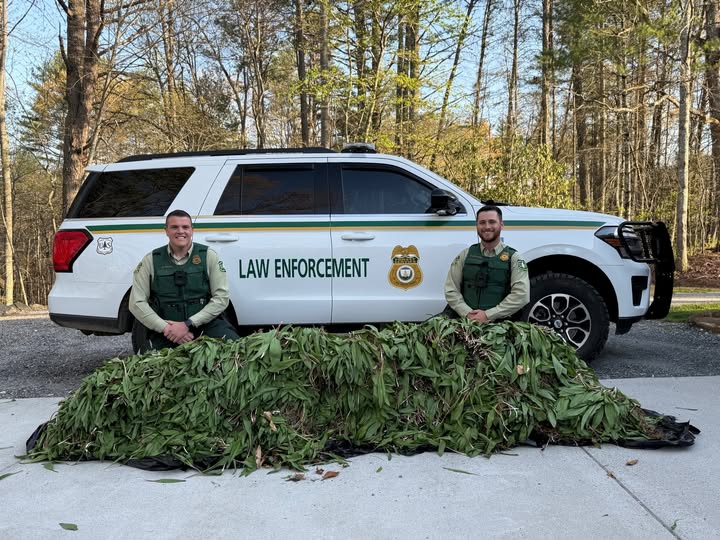
Early spring in the mountains of western North Carolina marks the arrival of one of Appalachia’s most cherished wild foods. Ramps, a fragrant wild leek that pushes through the forest floor after a long winter, draw hikers, chefs, and families into hardwood coves across the region. Their garlicky aroma and deep cultural roots place them among the most valued seasonal plants in the Southern Appalachians. During April of last year, that tradition faced a serious challenge when federal officers uncovered one of the largest illegal ramp harvesting operations recorded in the national forests of North Carolina.
The discovery took place inside Nantahala National Forest, a vast landscape of rugged mountains, streams, and old hardwood stands that stretch across western North Carolina. Visitors traveling through the forest began noticing something unusual. Groups of people left the woods carrying containers filled with ramps in quantities far greater than what a family meal or a small community gathering would require. Concern grew among hikers and local residents who understand the delicate nature of ramp populations.
Several concerned visitors reported the activity to the United States Forest Service. Law enforcement officers soon conducted a patrol of the area where the activity had been observed. Their investigation uncovered a large scale poaching operation that had removed hundreds of pounds of ramps from the forest floor.
Officers ultimately seized approximately 425 pounds of illegally harvested ramps. That amount represents thousands of individual plants removed from fragile mountain coves. According to officials with the Forest Service, the seizure ranks among the largest ramp confiscations recorded across the national forests in North Carolina in recent years.
Ramps carry the scientific name Allium tricoccum. The plant thrives in cool, moist forests with rich soil and heavy leaf cover. Mature ramps produce broad green leaves early in spring followed by a slender stalk that later develops into a cluster of seeds. Their flavor combines garlic and onion with a strong earthy aroma that defines many Appalachian spring dishes.
For generations, families across the mountains have gathered ramps for home cooking. Community ramp dinners, church gatherings, and local festivals celebrate the arrival of the plant every year. In many communities, ramp harvesting serves as a seasonal ritual passed down through families.
The plant’s popularity has also grown far beyond the mountains. Restaurants in major cities feature ramps in seasonal menus, and the demand for fresh wild ramps has expanded across the country. Increased demand, combined with the plant’s slow life cycle, places significant pressure on wild populations.
Ramps grow slowly. A seed can require several years before producing a mature plant. In many cases a ramp colony requires as long as seven years before reaching a stage where careful harvesting can occur without long term damage. Large scale removal of entire plants destroys future growth and can wipe out colonies that required decades to develop.
Forest Service botanist Maria Dunlavey explained the deeper importance of protecting the plant and the ecosystem that supports it. She emphasized that the issue reaches far beyond a single wild vegetable.
“This concerns preservation of heritage and habitat,” Dunlavey said. “Without proper care, the region risks losing both. Public lands and natural resources belong to everyone, and responsible stewardship protects them for future generations.”
Illegal harvesting threatens more than ramps themselves. The forest floor in Appalachian coves supports a complex web of life that includes trilliums, bloodroot, trout lilies, salamanders, insects, and countless microorganisms. When large areas of soil become disturbed during aggressive digging, erosion increases and nearby plants suffer damage.
Ramp colonies often grow in tight clusters beneath layers of decaying leaves. Careful harvesting requires patience and restraint. Poachers seeking profit often dig entire patches with shovels, removing every plant along with surrounding soil. That type of disturbance leaves little opportunity for recovery.
Federal regulations exist to protect these forest resources while allowing traditional gathering practices to continue. Within the national forests of North Carolina, individuals may collect small quantities of ramps for personal use. The current guideline allows up to three pounds or one gallon of ramps without a permit.
Collection beyond that limit requires a permit issued by the Forest Service. Commercial harvesters who supply restaurants or markets must follow specific guidelines designed to protect plant populations and maintain healthy forests. Permits also help forest managers track harvesting activity and monitor the impact on wild plant communities.
Certain areas remain completely closed to ramp collection and to gathering of other special forest products. Research Natural Areas, Experimental Forests, Special Interest Areas, Designated Wilderness Areas, and Recommended Wilderness Areas receive additional protection due to their ecological significance. Those places serve as reference landscapes where natural processes unfold with minimal disturbance.
Regulations also prohibit collection of showy wildflowers such as azaleas, lilies, orchids, and trilliums. These plants hold ecological value and contribute to the beauty that draws visitors into Appalachian forests each year. Harvesting restrictions also apply near streams where fragile soil conditions require extra protection.
Following the seizure in Nantahala National Forest, Forest Service officers faced an unusual question. Hundreds of pounds of ramps had been recovered. Allowing the plants to spoil would waste a valuable food resource.
Officials partnered with local organizations and community groups to ensure the confiscated ramps reached people who could use them. Fire departments, police departments, and churches in nearby communities received donations of the seized plants. The gesture transformed an environmental violation into an opportunity to support the local community.
The incident also served as a reminder that responsible foraging plays an essential role in conservation. Ethical ramp harvesting allows people to enjoy the plant while protecting the forests where it grows.
Sustainable ramp harvesting begins with careful observation. Foragers should look for large, established patches where many plants grow together. Small clusters indicate younger colonies that require time to mature. Leaving those patches undisturbed helps maintain healthy populations across the landscape.
Traditional Appalachian harvesting methods often focus on removing only a portion of each colony. One common technique involves collecting a single leaf from selected plants while leaving the bulb in the ground. The plant continues growing and produces seeds in later seasons.
Another approach involves digging only a small percentage of mature bulbs from a large patch. Experienced foragers often limit harvest to one plant out of every ten or more. That method allows the colony to continue expanding through natural reproduction.
Careful digging also protects the surrounding soil. A small hand tool can loosen the earth around a plant without tearing through nearby roots. Replacing leaf litter after harvesting helps maintain moisture and prevents erosion on steep mountain slopes.
Responsible foragers also remain aware of property boundaries and protected areas. National forests provide many opportunities for personal gathering, though visitors must respect posted guidelines and seasonal regulations.
Education plays a powerful role in protecting wild plants. Many experienced foragers share knowledge with younger generations about the importance of restraint, patience, and respect for the land. Community ramp festivals and cultural gatherings often include conversations about conservation and sustainable harvesting.
The discovery of the large poaching operation in Nantahala National Forest highlights the growing pressure on wild ramps as their popularity spreads beyond the region. Increased awareness among forest visitors helped bring the activity to the attention of authorities. That cooperation demonstrates how public involvement supports conservation efforts.
Spring will continue to draw people into Appalachian forests in search of ramps. Their distinctive flavor and cultural significance remain deeply woven into mountain life. Protecting that tradition requires balance between enjoyment and stewardship.
Healthy forests depend upon careful management, informed regulations, and the respect of those who walk beneath the hardwood canopy each spring. Through responsible harvesting practices and continued vigilance, ramp populations can continue thriving across the mountains for generations to come.
-Tim Carmichael
 Echoes of Appalachia
Leave a comment