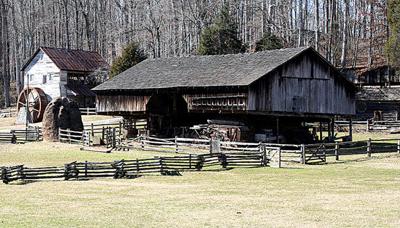
Over the last decade, a pattern has emerged across the Appalachian region. People arrive from cities and suburbs drawn by a certain idea of mountain life. They picture small towns tucked into green hills, winding back roads, gardens behind modest houses, and a pace of life that feels calmer than crowded metropolitan centers. Many come searching for space, scenery, and a sense of personal freedom. They often describe their decision as a lifestyle change.
Appalachia has always attracted newcomers for different reasons. Coal once brought workers from across the country. Timber camps pulled in laborers seeking wages. Later, college towns, outdoor recreation, and lower property prices drew people looking for opportunity. The current wave, however, carries a different tone. A growing number of arrivals seek the aesthetic and rhythm of rural living while remaining separate from the social fabric that has long defined the region.
The Appalachian Mountains stretch across thirteen states. Each community carries its own character shaped by generations of families, shared hardships, and strong traditions. Local churches host suppers that fill fellowship halls with neighbors. Volunteer fire departments anchor rural areas where emergency services depend on people willing to answer a late night call. High school football games bring crowds that greet one another by name. In many places, these institutions hold communities together.
For longtime residents, community operates as a form of mutual reliance. When someone’s barn collapses in a storm, neighbors show up with tools. When a family member falls ill, casseroles arrive at the door. This system grows from familiarity and trust built over decades. Relationships form through church pews, school events, and family ties that extend across generations.
Newcomers who arrive chasing a slower lifestyle often admire the surface of this world while avoiding participation in its deeper responsibilities. They buy property on scenic hillsides. They renovate cabins or build modern homes with large windows overlooking ridgelines. They spend weekends hiking trails or tending raised garden beds. Their social lives remain centered on friends from previous cities, remote work colleagues, or online communities.
From a distance, their presence appears harmless. Rural towns benefit from new investment. Abandoned houses find owners. Local contractors gain work through renovations. Property tax revenue increases. Coffee shops and breweries open in areas where younger arrivals gather.
Yet a tension grows when the lifestyle draws interest while the community receives little attention.
In many Appalachian towns, belonging develops through participation. Showing up matters. Attending fundraisers for the volunteer fire department matters. Offering time during church events matters. Listening to older residents talk about family histories matters. Participation signals respect for the place and its people.
When new arrivals stay on the margins, the social balance shifts. Local residents observe houses filled with people who enjoy the scenery while remaining distant from civic life. Invitations to community gatherings receive polite declines. Volunteer organizations struggle to recruit members despite an increase in population. Longtime residents begin to feel that their traditions function as background scenery for someone else’s rural dream.
This divide becomes clearer during moments of crisis. Floods, storms, and economic downturns have shaped Appalachian communities for generations. During these moments, local networks activate quickly. Neighbors check on one another. Churches organize food drives. Volunteer crews clear roads or repair damaged homes.
Residents who have grown up in these traditions often expect newcomers to join in collective efforts. Participation strengthens trust. When new arrivals remain detached during these moments, resentment can develop quietly.
Economic differences deepen the tension. Many newcomers arrive with remote jobs connected to technology, finance, marketing, or other industries tied to distant urban economies. Their salaries exceed local averages. This income gap influences housing markets across parts of Appalachia.
Small towns that once held modest home prices experience sudden increases as outside buyers compete for property. Older houses become short term rentals or second homes. Young local families searching for their first house face rising costs that push them farther from town centers.
Longtime residents sometimes view these changes through a complicated lens. On one hand, economic activity brings improvements. Dilapidated buildings gain new life. Restaurants and shops attract visitors. Infrastructure receives attention.
On the other hand, rising costs create pressure for people who have lived in the same valley for generations. When newcomers focus mainly on personal lifestyle goals, concerns about affordability or displacement rarely enter the conversation.
Cultural misunderstanding also plays a role. Appalachia carries a rich history of storytelling, music, craft traditions, and regional dialects. Bluegrass festivals fill fields with fiddles and banjos. Quilting circles pass patterns across generations. Oral history travels through front porch conversations.
Many newcomers admire these traditions from a distance. They attend festivals, purchase handmade crafts, and photograph scenic moments for social media. Appreciation alone rarely leads to cultural continuity. Traditions survive through participation and transmission.
When newcomers consume the culture as an attraction rather than a shared responsibility, the relationship remains shallow. Local residents sense the difference between admiration and engagement.
The issue rarely stems from hostility toward outsiders. Appalachian communities have welcomed newcomers throughout their history. Teachers, doctors, coal miners, and factory workers have arrived from many places over the decades. The difference lies in the willingness to become part of the collective life of the region.
People who move into a town and join local organizations tend to integrate more smoothly. Coaching youth sports teams creates connections with families. Volunteering at libraries introduces newcomers to civic efforts. Participation in local festivals builds relationships across age groups.
These forms of engagement require time and patience. Trust grows slowly in small communities where families have known one another for generations. New arrivals who approach the process with humility often find themselves welcomed.
Those who seek isolation within a picturesque setting create a different dynamic. They may value privacy, calm surroundings, and scenic beauty. Their homes become self contained retreats. Social interaction occurs through digital networks or periodic visits from friends outside the region.
Over time, this pattern forms pockets of parallel lives. One community continues traditional patterns of gathering, volunteering, and local decision making. Another community occupies nearby houses with little interaction beyond brief greetings at grocery stores.
Technology contributes to this separation. Remote work allows people to maintain professional networks far away from their physical location. Entertainment streams through online platforms rather than local theaters or community centers. Social media replaces front porch conversations.
These tools offer convenience and flexibility. They also reduce incentives to form local relationships.
The resulting environment can feel confusing for both sides. Longtime residents wonder why people who moved specifically for the region show limited interest in community life. New arrivals sometimes interpret local caution as exclusion rather than a reflection of historical experience.
Many Appalachian communities have experienced waves of economic extraction from outside companies that removed resources while leaving environmental and social damage behind. This history shapes attitudes toward newcomers who appear interested in the landscape more than the people who live there.
Trust builds when newcomers demonstrate commitment beyond personal lifestyle goals. Supporting local schools, shopping at family owned stores, and attending town meetings sends a clear message of investment in the shared future of the area.
The idea of lifestyle alone rarely sustains a healthy rural community. Scenic landscapes provide beauty and recreation. Strong communities provide stability and resilience. One element without the other leaves a hollow foundation.
Across Appalachia, many towns continue to navigate this shift. Some residents welcome the influx of new energy and perspectives. Others worry about cultural dilution and economic displacement. Both viewpoints reflect real experiences shaped by rapid change.
New arrivals often arrive with sincere intentions. They seek a slower pace, access to nature, and a sense of authenticity missing from urban life. The mountains offer all of these qualities. They also hold a long tradition of neighborly obligation that cannot be separated from the scenery.
Living in Appalachia has always meant more than occupying land within the mountains. It involves participation in a web of relationships that sustain communities through hardship and celebration alike.
Those who embrace this responsibility often discover that the greatest reward of mountain life lies within the people who call the region home. Shared meals, local stories, and collective problem solving create bonds that deepen the meaning of place.
Those who remain distant may still enjoy beautiful views from their porches. They may cultivate gardens, hike wooded trails, and admire the calm of rural evenings. Their experience of Appalachia will remain partial.
A region shaped by generations of cooperation cannot be reduced to scenery and lifestyle choices alone. Appalachia exists through its communities, carried forward by people who continue to show up for one another year after year.
-Tim Carmichael
 Echoes of Appalachia
Leave a comment