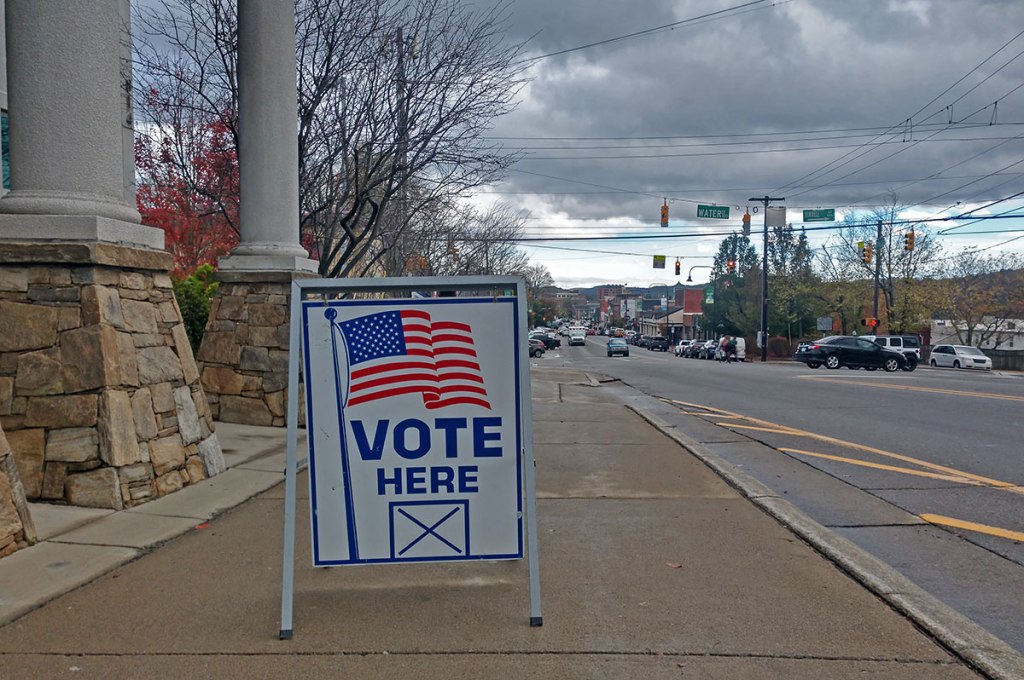
Across the hills and hollers of Appalachia, election results have followed a familiar pattern for decades. Republican candidates win county after county, often by wide margins, while the region continues to face deep economic strain, declining public health, population loss, and fragile infrastructure. A pressing question moves through kitchens, union halls, clinics, classrooms, and front porches: how much do Appalachian people have to lose before voting patterns shift toward policies that serve their material needs?
Alongside that question stands another one with equal urgency. Will young voters in Appalachia wake up and go vote? Younger generations carry the future of the region on their shoulders. They face the same hardships as older residents, and in many cases even steeper ones. Their decisions, or their absence from the ballot box, will shape what Appalachia becomes in the decades ahead.
This question carries significance because Appalachia holds a long memory. Coal camps, timber towns, and railroad stops once powered national growth while leaving local communities dependent on distant owners. Labor struggles, mine disasters, and environmental damage shaped a culture that values self reliance and mutual aid. Federal investment during the New Deal era brought electricity, roads, and jobs, tying many families to Democratic politics for generations. Over time that alignment unraveled, and conservative dominance took hold.
Republican leaders gained strength in Appalachia through cultural alignment rather than economic delivery. Campaigns spoke to faith, gun rights, patriotism, and resentment toward elites. That message resonated with voters who felt ignored by coastal power centers and caricatured by national media. Economic platforms promised revival through deregulation and fossil fuel loyalty, even as mechanization and global markets continued to shrink employment in coal and manufacturing.
The results appear across the region in visible ways. Appalachia faces some of the lowest life expectancy rates in the country. Opioid addiction has devastated families and hollowed out towns. Hospital closures force long drives for basic care. Public schools struggle with underfunding and teacher shortages. Broadband gaps limit access to remote work and education. Wages lag behind national averages, while disability rates remain high.
In Eastern Tennessee and Western North Carolina, Republican officials maintain tight control over local and state offices. Campaign seasons arrive with speeches full of promises about job growth, healthcare access, and economic revival. Election nights pass, power remains unchanged, and those promises fade once officials settle into office. Communities hear pledges year after year, yet lived conditions show little improvement.
Roads crumble, clinics close, and schools stretch limited resources. Workers wait for opportunities that never arrive. Families hear assurances about prosperity while watching neighbors leave in search of survival elsewhere. Despite this pattern, many of the same voters return to the ballot box and choose those leaders again. The cycle repeats, even as harm spreads through households and towns.
While rural residents struggle to afford groceries, gas, and medical care, the politicians they elect grow wealthier. Campaign finance filings show rising personal fortunes, lucrative consulting roles, and donor backed advantages. Day after day, distance grows between the lived reality of voters and the financial comfort of those in office. Power concentrates upward, while hardship remains rooted in the valleys below.
Driving through rural communities in Eastern Tennessee and Western North Carolina reveals the cost of these choices. Closed storefronts line once busy streets. Mobile homes show years of wear from time and weather. Hand painted signs advertise firewood, odd jobs, and yard sales as families search for extra income. Churches serve as food pantries. Elderly residents wait for rides to distant hospitals. This struggle stands in open view.
Young people experience these conditions from a different angle. Many grow up watching parents juggle multiple jobs, battle addiction, or depend on unstable work. Student debt shadows those who pursue higher education, while limited local opportunities pull graduates away from home. Those who remain often cycle through low wage service jobs with little security. The promise that hard work alone leads to stability feels distant for a generation raised amid decline.
Republican control across statehouses and congressional delegations has failed to reverse these trends. Tax cuts favored corporations and wealthy donors, while social spending faced repeated reductions. Environmental rollbacks protected industry profits while leaving residents with polluted water and unstable land. Labor protections weakened, reducing bargaining power for workers in an already fragile job market. These outcomes shape daily life for all ages, including young adults trying to build a future.
Voting against economic interest carries a clear cost, and that cost appears in everyday experience. When Medicaid expansion faced resistance in several Appalachian states, hundreds of thousands lost access to health coverage. Young adults aging out of family insurance plans faced gaps in care. When union protections eroded, wages stagnated, limiting prospects for first time home buyers. When infrastructure funding stalled, roads and bridges aged further, cutting off access to jobs and education.
Cultural loyalty explains part of the story. Many Appalachian voters view national Democrats as hostile to their values and dismissive of their identity. Political messaging framed liberalism as an urban project disconnected from rural life. Republican campaigns amplified this divide, casting elections as battles over respect and tradition rather than budgets and benefits. Young voters absorb this messaging alongside their elders, even as their lived reality diverges from campaign promises.
Media ecosystems reinforce this alignment. Conservative radio and television dominate local airwaves. Social media channels spread narratives of cultural siege and moral decline. Economic data receives less attention than symbolic fights over flags, faith, and firearms. Younger audiences encounter politics through short clips and viral posts that reward outrage rather than depth, shaping political identity long before policy discussion enters the picture.
A deep skepticism toward government also shapes political behavior. Outside companies extracted wealth and left scars across mountains and valleys. Promises of renewal often fell short. Politicians arrived during campaign season and vanished afterward. This history fostered a belief that survival depends on family and community rather than policy. For young people raised amid broken promises, disengagement can feel like self protection rather than apathy.
Yet government action once transformed Appalachia in lasting ways. The Tennessee Valley Authority brought electricity and flood control. Social Security reduced elder poverty. Medicare and Medicaid expanded access to care. Mine safety laws saved lives. These gains emerged through collective political effort. Younger generations often lack direct connection to this history, making it harder to imagine government as a force for improvement rather than disappointment.
Demographic change adds another layer. Younger residents leave in search of opportunity, draining towns of future leadership and civic energy. Those who remain often feel isolated and unheard. Older voters turn out at higher rates and hold greater influence over local elections. Churches and long standing institutions continue to shape political life, while spaces that engage younger voices remain scarce.
The grip of Republican power also reflects structural advantages. Gerrymandered districts reduce competition. Voting laws create barriers to participation, including strict identification rules and limited polling locations. Weak local media limits investigative coverage and sustained scrutiny. Young voters, who already face transportation challenges and irregular work schedules, encounter additional hurdles to participation.
Economic anxiety alone has failed to shift votes because campaigns framed hardship as inevitable or blamed external forces such as immigrants or environmental rules. This redirection moves frustration away from officeholders and toward abstract enemies. Younger voters hear these narratives while confronting rising rents, climate instability, and limited healthcare access, yet many remain disengaged from electoral politics.
The question of whether young voters will wake up and go vote sits at the center of Appalachia’s future. They will live longest with the consequences of current policy decisions. Climate related flooding, economic diversification, healthcare access, and education funding all shape the decades ahead. Choosing to sit out elections leaves those decisions in the hands of older generations and entrenched power.
Change requires more than pointing out contradiction. Scolding voters for choices rarely produces results, especially among young people already distrustful of institutions. Effective engagement begins with listening and partnership. Policies must address bread and butter needs while honoring local culture. Investment in healthcare, education, broadband, and clean energy jobs can deliver visible improvement. Messaging must connect those gains to democratic action rather than abstract ideology.
Grassroots organizing offers evidence of possibility. Teacher strikes in West Virginia showed the power of collective action across party lines and inspired many young people to engage politically. Community health initiatives reduce overdose deaths through local leadership. Cooperative business models create jobs and keep profits close to home. Youth led mutual aid projects demonstrate a hunger for change rooted in care and solidarity.
Political realignment in Appalachia will depend on trust rebuilt over time. Candidates with local roots and clear plans can break through cultural barriers. Framing policy as a means to strengthen families and communities rather than as charity holds appeal. For young voters, seeing peers run for office, organize campaigns, and speak directly to shared struggles can transform politics from distant spectacle into lived practice.
The cost of maintaining current voting patterns continues to rise. Hospital deserts expand. Floods grow more destructive as climate conditions shift. Young people depart, taking skills and hope with them. Each election that reinforces the status quo deepens these challenges and narrows future options for the next generation.
Appalachian people possess resilience forged through hardship. That resilience spans generations and includes young adults who balance loyalty to home with frustration at limited opportunity. Their engagement could reshape the region if paired with policies that deliver tangible benefit. History shows Appalachia responding when political action produces real improvement.
How much must be lost before the vote changes carries no single answer. For some families, loss already exceeds tolerance. For others, identity outweighs economics. For many young voters, the question centers on whether voting can still matter. Appalachia stands at a crossroads where memory, culture, and material reality collide.
The future hinges on whether political movements can meet Appalachia where it stands and invite younger generations into a vision of dignity and stability. If young voters wake up and claim their voice, the region may yet chart a different path. Until then, Appalachia will continue to bear the cost of choices that serve power more than people.
-Tim Carmichael
 Echoes of Appalachia
Leave a comment