People in Appalachia grew up knowing the mountains the way other kids knew streets. You learned where the ground stayed wet after rain, which creeks held crawdads, which slopes carried berries in late summer. Families stayed close to the same hills for decades, sometimes longer, and the land carried their routines with it. When mining changed, it did more than alter the skyline. It broke a relationship that had shaped everyday life.
In the early years of a new century, distant money followed rumors of global demand. Energy traders believed coal would fuel growth across oceans, and Appalachia looked like a vault waiting for a key. Mines expanded with a speed few locals had seen. The method carried a polished name, mountaintop removal, yet the act held a blunt reality. Explosives cracked summits apart. Bulldozers pushed ancient rock into valleys. Streams vanished under rubble. From above, the land took on a pale scarred look, wide and raw, shaped by profit rather than weather.
For families living nearby, the shift felt personal. A homestead at the edge of a ridge could sit in the shadow of blasts. Windows rattled. Dust drifted over porches and laundry lines. The sound carried through mornings and into sleep. People who had worked underground for generations understood mining, and many respected it. This new approach felt different. It erased landmarks in weeks. A trail once known by heart disappeared. A hillside where children learned seasons through wildflowers turned into gravel.
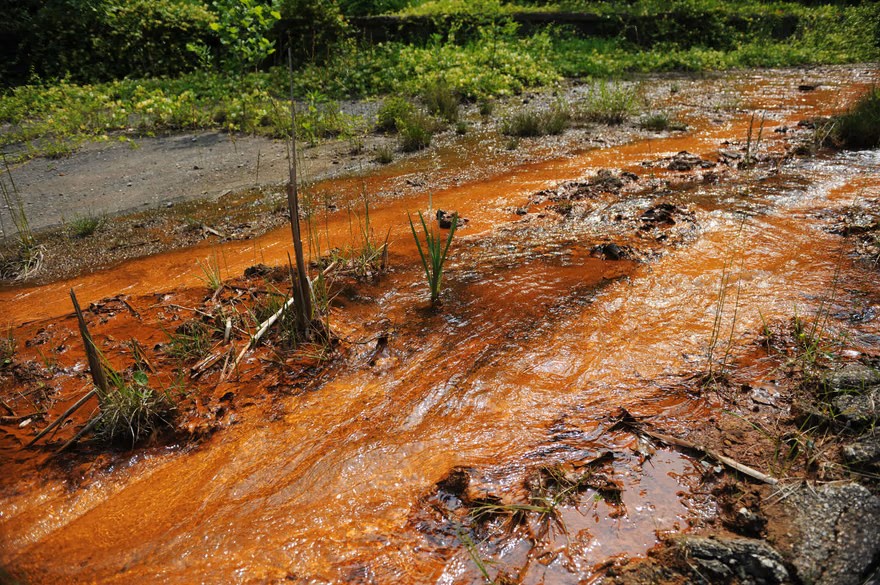
Water told the clearest story. Creeks that once ran cold and clear grew cloudy, then metallic. Stones darkened. Leaves hardened with strange crusts. Fish arrived misshapen, carrying signs of poisons released from deep layers of earth. Selenium, manganese, arsenic, lead floated into the food web, invisible and relentless. Insects absorbed it. Birds fed on those insects. Life bent under a burden it had never carried before.
Scientists who came to measure change spoke carefully, carrying nets and notebooks. They described a forest older than memory, among the richest temperate ecosystems on Earth. Salamanders thrived in countless varieties. Migratory birds returned each year from distant continents, trusting these hills to raise their young. After the blasting, rain filtered through broken rock laced with metals. Streams shifted chemistry. Species vanished. In their place came hardy flies linked with wastewater ponds, creatures built for damage rather than balance.
Human health followed the same path. Each blast released dust that settled everywhere. Families breathed it in. Researchers traced patterns that felt impossible to ignore: higher rates of cancer, heart disease, birth defects among people living close to these sites. Death came earlier and more often. When economists counted costs through hospital bills and lost wages, the tally outweighed the paychecks coal delivered. Even measured through dollars alone, the bargain failed the people who lived there.
Land ownership turned into another battleground. Companies approached families with offers that felt large to people who had scraped by. Some accepted, seeing college tuition or medical bills in reach. Others held on, valuing history beyond cash. Courts weighed land through economic formulas, debating whether dumping waste could rank as its highest purpose. Victories for families came thin and temporary. Even when people kept a piece of ground, the world around it transformed beyond recognition.
Mining law required restoration. On paper, hills would return to health. In practice, remediation meant grass seed and fertilizer spread across flattened stone. The result looked like a foreign plain, waving with grasses from far continents. Native trees struggled in alkaline soil. Birds from open prairies arrived, replacing species tied to forest canopies. The mountains lost their shape and their memory.
As years passed, the coal industry itself weakened. Cheaper fuels rose. Automation replaced labor. Jobs vanished faster than peaks. Investors shifted strategies with ease, while towns carried the weight. Companies borrowed heavily, betting on overseas markets that slowed sooner than expected. Debt piled up. Bankruptcies followed, sweeping away work, tax revenue, and promises made to miners after decades underground.
One tactic stood out. Corporations spun off failing operations into separate companies, carrying healthcare and pension obligations with them. When those new entities collapsed, retirees paid the price. Courtrooms filled with letters from miners and spouses, handwritten appeals describing surgeries, medications, lives built on trust in contracts that dissolved under legal language. Judges approved cuts that cleaned balance sheets while families faced medical bills alone.
Hedge funds entered like scavengers trained in complex law. They purchased distressed debt, steered companies through bankruptcy, and extracted remaining value. Their homes stood far from coalfields, set among manicured lawns and quiet wealth. From that distance, Appalachia appeared as figures on a page. Streams buried under rock never entered the calculation. Children coughing after blasts remained abstract.
State officials fought to protect cleanup funds, warning of abandoned land and poisoned water. Their filings described carcasses left behind, stripped of value. Public attention flared briefly, sparked by outrage over money diverted from retiree healthcare to legal fees. Promises followed. Relief arrived late and thin. Many miners aged into illness without coverage they had earned.
Through all of this, communities frayed. Families scattered. Sunday dinners faded. Places that once anchored identity turned strange and empty. Visiting former home ground brought a sense of disorientation. Wildlife lay buried. Flowers that once marked spring failed to return. People spoke of loss through metaphors usually reserved for death.
The broader lesson reached beyond coal. Power determined outcomes. Those with access to lawyers and capital navigated systems with ease. Those rooted in land faced choices shaped by forces beyond their reach. Poverty revealed itself as absence of control rather than lack of effort. Many grew up believing themselves poor only after someone else measured their worth.
Eventually, mines closed. Equipment sold. Cleanup remained unfunded. Flat plateaus stood where mountains had lived for millions of years. Proposals surfaced for shopping centers, symbols of renewal. Even those plans faded as residents moved away. The land waited, altered beyond any past map.
In a final twist, the state chose a new use for one vast site. The barren ground would train soldiers, preparing them for harsh foreign terrain. A place once rich with life became a classroom for survival amid ruin. Symbol settled over the decision like dust after a blast.
Appalachia still rises each morning with fog in its hollers. People remain, carrying strength shaped by long history. The damage from mountaintop removal endures in water, soil, and memory. Healing will require more than grass seed and promises. It will demand respect for land as living partner rather than commodity, and for communities as more than numbers. The mountains gave their strength for generations. Their loss stands as warning, written across flattened stone for anyone willing to look.
-Tim Carmichael


 Echoes of Appalachia
Leave a comment