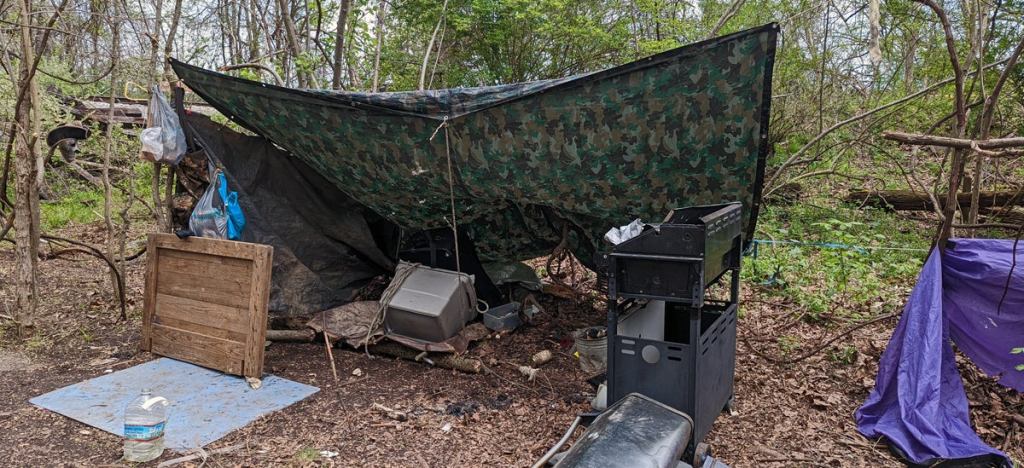
Homelessness in Appalachia has reached a visible and painful peak during 2024 and 2025. Communities across the mountains and valleys face a sharp rise in people living without stable housing, with some areas reporting increases as high as thirty seven percent. This growth reflects deep structural failures tied to housing access, economic decline, disaster recovery gaps, and policy decisions that determine who receives support and who faces exclusion. The crisis carries human costs that ripple through families, towns, and the cultural identity of the region.
Appalachia carries a long tradition of resilience, service, and sacrifice. Many people experiencing homelessness include veterans who once served the country with honor. These individuals returned home carrying injuries, trauma, and challenges related to reintegration into civilian life. Limited access to health care, unstable employment, and rising housing costs pushed many veterans into housing insecurity. A society that benefits from their service carries a responsibility to provide care, housing, and dignity. We should be doing everything we can to help veterans who face homelessness, offering support rooted in respect rather than judgment.
In Northeast Tennessee, service providers reported a thirty seven percent rise in homelessness during 2025. Shelters reached capacity while outreach teams struggled to meet demand across rural terrain. Veterans represented a significant share of people seeking assistance, many living in vehicles, wooded areas, or abandoned structures. In Western North Carolina, severe natural disasters intensified the crisis. Floods and landslides destroyed housing and disrupted employment while displacing entire communities. Over one thousand people remained missing after catastrophic events, and many survivors faced a future without a home to return to. Veterans, elders, and families entered a housing market unable to absorb such loss.
Housing availability remains the central driver of homelessness in the region. Many Appalachian homes date back to before 1930. Aging structures require repairs that exceed the financial capacity of many owners and renters. Unsafe wiring, failing roofs, and mold place residents at constant risk. As outside investors purchase property for short term use, long term housing options continue to shrink. Construction of affordable housing trails far behind demand due to financing barriers, zoning limits, and infrastructure challenges. Veterans relying on fixed benefits face especially steep obstacles within this environment.
Economic pressure deepens the crisis. Wages remain low across many Appalachian counties while the cost of food, fuel, and utilities continues to rise. Employment often depends on seasonal industries, contract labor, or physically demanding work that many injured veterans struggle to maintain. Medical expenses and disability related costs drain already limited income. A single crisis such as illness or job loss can push a household into homelessness. Inflation widens the gap between income and rent, leaving many people without a path back to stability.
Under housing hides the full scale of homelessness throughout Appalachia. Many people live in abandoned buildings, campers, sheds, or overcrowded homes shared with relatives. Some survive without electricity or running water. Veterans often choose these arrangements to avoid shelters that trigger trauma or restrict autonomy. These situations remain unstable and unsafe, increasing the risk of sudden displacement. Children experience disrupted education and health care. Elders and veterans face isolation, declining health, and untreated conditions.
Government responses shape daily survival in powerful ways. Some local officials have stated that limited resources require focusing on people viewed as local residents. This position sends a clear message of exclusion to people who arrived seeking work, safety, or recovery after disasters. Veterans who moved to the region for affordability or family support encounter barriers to assistance despite their service. Such approaches weaken regional solidarity and deepen suffering.
Legal changes intensified the crisis during 2024. Following the Supreme Court ruling in Grants Pass v. Johnson, many jurisdictions expanded enforcement of camping bans. People sleeping on public land now face ticketing, fines, and arrest even during periods with zero shelter availability. It represents a very sad day when our government makes it a law to be illegal to be homeless. Criminalization punishes poverty rather than addressing its causes. Veterans and others accumulate records that create further barriers to employment, housing, and benefits.
Disaster recovery policies add further strain. In early 2025, FEMA began ending temporary hotel and motel housing assistance for disaster survivors in North Carolina. Thousands lost shelter while permanent housing options remained scarce. Veterans and families moved into vehicles, damaged homes, or remote areas. Ending assistance without stable transitions forced many into deeper insecurity and prolonged trauma.
Stigma compounds every challenge. People experiencing homelessness often face blame for circumstances shaped by housing markets, wages, health care gaps, and disasters. Veterans endure a painful contradiction between public praise for service and personal neglect during crisis. Judgment silences voices and reduces public support for effective solutions. Fear of enforcement drives people away from outreach, medical care, and assistance programs.
Some critics describe current responses as disguised help. Short term placements, forced relocations, and highly restrictive shelters prioritize control over stability. These approaches cycle people through programs without lasting outcomes. Church based shelters provide compassion and essential relief, though capacity remains limited and rules exclude many veterans coping with trauma. Long term housing with supportive services remains scarce, leaving a wide gap between emergency aid and permanent solutions.
Cultural disconnection threatens the Appalachian way of life. Forced movement, constant surveillance, and rigid policies erode independence and community ties. People lose connection to land, neighbors, and faith communities that once provided informal support. Veterans who value autonomy and familiarity experience deep distress when pushed from place to place. This loss of belonging harms mental health and weakens community cohesion.
The effects extend far beyond those without housing. Schools manage increased student mobility. Hospitals treat preventable emergencies linked to exposure and untreated illness. First responders address crises tied to displacement. Local economies suffer workforce instability. Communities absorb higher costs while humane solutions remain underfunded.
Solutions require commitment grounded in dignity and compassion. Expanding affordable housing offers the strongest foundation. This includes rehabilitating aging homes, supporting long term rentals, and building mixed income developments. Veteran focused housing with on site services addresses trauma, disability, and employment needs. Land trusts and cooperative housing models preserve affordability across generations.
Economic strategies also matter. Living wages, job training, and accessible transportation strengthen stability. Health care access and mental health services prevent crises from escalating into homelessness. Legal aid reduces eviction risk and protects tenant rights. Disaster recovery funding can prioritize permanent housing rather than temporary containment.
Approaches rooted in respect show proven success. Housing first models provide stable homes paired with voluntary services. Veteran peer support builds trust and reduces isolation. Outreach teams meeting people where they live foster long term engagement. Coordination across counties improves fairness and efficiency.
Above all, compassion must guide every decision. We need to be doing everything we can to help the homeless population. Judgment deepens harm and delays progress. Homelessness reflects systemic failure rather than personal fault. Veterans who served the nation deserve security and care. When communities choose empathy, inclusion, and investment, outcomes improve for everyone.
Appalachia carries a legacy of endurance, service, and mutual aid. Addressing homelessness with honesty and resolve honors that legacy. By investing in housing, supporting veterans, rejecting criminalization, and treating every neighbor as worthy of belonging, the region can move toward stability. The mountains have endured hardship before. With collective will, shelter and dignity remain within reach for all.
 Echoes of Appalachia
Leave a comment