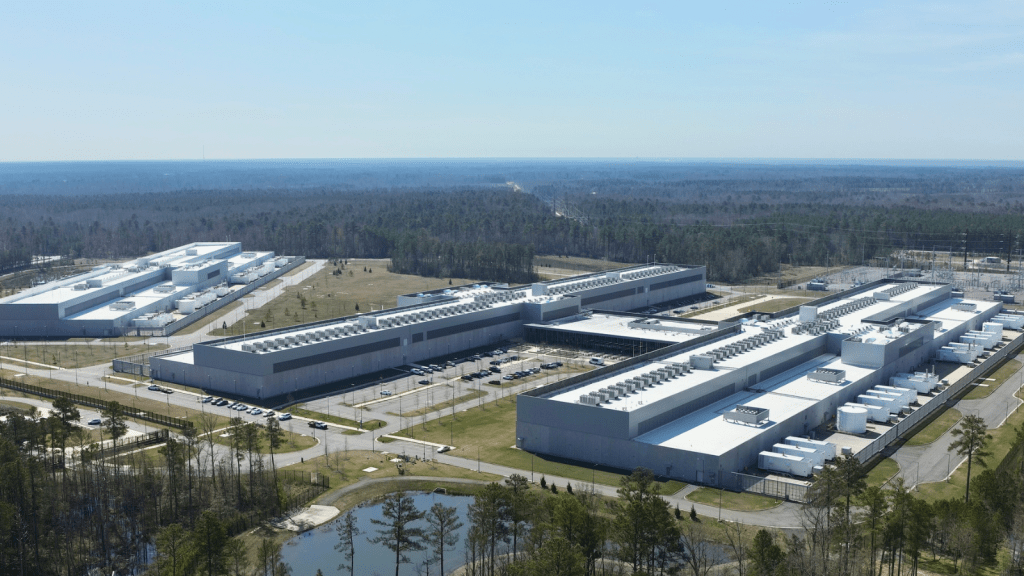
Appalachia carries the burdens of an unfinished past. The collapse of coal stripped away livelihoods, emptied towns, and left streams and hillsides bearing the scars of a century of extraction. Economic decline followed environmental damage, and many communities remain caught between nostalgia for stability and the reality of shrinking opportunity. Into this landscape comes a new industry with enormous appetites for land, power, and water. Massive data centers built to feed artificial intelligence systems are moving toward the mountains, presenting themselves as the future of prosperity.
Across eastern Kentucky, southern West Virginia, and southwest Virginia, rural counties once defined by mining now appear on development maps for digital infrastructure. Former strip mines, forested ridges, and isolated valleys are being evaluated as sites for server campuses that rival cities in energy demand. Supporters see a path toward renewed tax bases and public services. Opponents fear another cycle where outside capital profits while local people shoulder the costs.
Coal once promised generational security. That promise collapsed, leaving behind economic fragility and deep distrust. Data centers arrive carrying similar language of revival, though powered by servers rather than seams. The question facing Appalachia centers on whether this moment leads toward lasting renewal or repeats a familiar story under a different banner.
The appeal of the region to technology companies grows from several factors. Large tracts of inexpensive land remain available, often close to transmission lines originally built for coal plants. Natural gas infrastructure already runs beneath many counties. Cooler mountain air can lower cooling expenses, and abandoned industrial sites reduce acquisition costs. As metropolitan data center hubs approach saturation, rural regions with fewer regulatory barriers draw increasing interest.
National demand for computing power continues to surge. Artificial intelligence models require immense processing capacity, and companies race to secure space capable of supporting that growth. Appalachia offers room to expand, along with political leaders eager to attract investment after decades of decline. The convergence of corporate urgency and regional desperation creates fertile ground for rapid development.
Economic arguments dominate early discussions. County officials emphasize construction spending measured in the hundreds of millions or even billions. Property taxes from equipment promise steady revenue that could fund schools, emergency services, and infrastructure. In areas where coal severance taxes vanished, such projections appear transformative.
Critics challenge those expectations. Construction phases employ many workers, though most positions end once buildings reach completion. Operational staffing remains limited relative to the physical scale of these facilities. Security, maintenance, and cleaning roles form the bulk of permanent employment, while higher paying technical jobs often go to specialists from elsewhere. For communities that lost entire industries, the mismatch between footprint and workforce fuels skepticism.
Electricity demand presents one of the most complex challenges. Data centers operate around the clock, drawing vast amounts of power. As multiple projects connect to regional grids, demand accelerates faster than new generation capacity. Utilities respond by upgrading transmission networks and securing additional supply, expenses distributed across all customers. Households already facing rising energy costs worry about subsidizing facilities serving global corporations.
Across the broader region, electricity prices have climbed sharply in recent years. Analysts increasingly connect that trend to the explosive growth of data centers. For families on fixed or modest incomes, even small increases strain budgets. The idea that rural residents might pay more so distant users can stream content or train algorithms generates anger that crosses political lines.
Water use raises another set of concerns. Many data centers rely on cooling systems that withdraw millions of gallons annually. In areas that experienced droughts during recent summers, additional strain on aquifers and rivers feels risky. Developers highlight newer cooling technologies designed to reduce consumption, including air based systems and closed loop designs that reuse water. Some proposals aim to tap underground mine pools that remain cool year round.
Such innovations intrigue planners, though residents worry about cumulative impacts as more facilities cluster in the same watersheds. Memories of contaminated wells and streams from mining days remain vivid. Trust eroded over generations proves difficult to rebuild through technical assurances alone.
Quality of life issues shape local resistance as strongly as economics. Data centers generate constant noise from cooling equipment and backup generators. In quiet mountain valleys, that hum travels far, especially at night. Security lighting alters dark skies treasured by residents and visitors. Large buildings and access roads transform rural landscapes built around recreation and solitude.
Many towns rebuilt their economies around outdoor tourism after coal declined. Hiking, fishing, and stargazing draw visitors seeking peace and natural beauty. Industrial scale facilities threaten those gains, creating fears that one form of extraction could undermine the alternative that finally brought stability.
Governance sits at the heart of many conflicts. In some states, laws reduce local authority over zoning and permitting for large technology or energy projects. Proponents argue streamlined approval attracts investment and strengthens competitiveness. Local residents often view the shift as a loss of self determination, especially when decisions affecting daily life move to distant capitals.
Counties lacking zoning frameworks tailored to data centers face additional vulnerability. Projects can advance with limited public scrutiny, leaving residents scrambling to respond once plans surface. That dynamic deepens mistrust and fuels organized opposition.
Grassroots movements have formed rapidly wherever proposals emerge. Yard signs, packed meetings, and citizen groups reflect a shared sense that communities must defend their interests. These coalitions rarely reject development outright. Many participants express willingness to consider projects that meet strict standards for water use, noise limits, emissions, and financial accountability.
Local officials face conflicting pressures. Budgets remain tight, and few alternatives promise comparable revenue. Turning away investment risks political fallout, especially in areas desperate for economic lifelines. The result becomes a tense balancing act where every proposal sparks intense debate.
History looms over these discussions. Coal reshaped Appalachia while exporting much of its wealth. Environmental damage lingered long after profits departed. Data centers revive fears of repeating that pattern, replacing black dust with invisible costs carried through utility bills and strained resources.
Unlike mining, digital infrastructure leaves fewer obvious scars. Its impacts emerge gradually through rising rates, depleted water supplies, and altered landscapes. That subtlety complicates accountability and strengthens calls for enforceable agreements rather than voluntary promises.
Advocacy groups across the region propose frameworks aimed at responsible development. Common principles include full disclosure of energy and water use, binding limits on noise and emissions, and protections ensuring infrastructure costs remain with developers rather than residents. Many urge siting facilities on previously disturbed land instead of forests or farmland.
Labor standards form another focus. Advocates call for fair wages, local hiring, and training programs during construction. Community benefit agreements appear increasingly popular as tools to secure investments in public needs before approvals occur. Such measures seek to shift power back toward communities long accustomed to external control.
The stakes extend beyond individual towns. National projections suggest data centers could claim a significant share of total electricity consumption within a few years. Meeting that demand requires new generation somewhere. Appalachia, with its land, water, and energy infrastructure, stands squarely in the path of that expansion.
Choices made now will shape the region for decades. Strong oversight and genuine community participation could allow digital infrastructure to support recovery without repeating historical harms. Weak safeguards risk locking Appalachia into another extractive relationship that drains value outward.
Residents across the mountains weigh hope against caution. Many want opportunities that allow younger generations to stay. They also want clean water, affordable power, and a voice in decisions shaping their surroundings. Data centers embody both promise and peril, standing at the intersection of technological ambition and a region shaped by past sacrifice.
Appalachia has faced turning points before. The rush of artificial intelligence infrastructure marks another defining moment. Whether it becomes a foundation for shared prosperity or another chapter of loss depends on who holds power, who bears cost, and whether the lessons of history guide the future.
-Tim Carmichael
 Echoes of Appalachia
Leave a comment