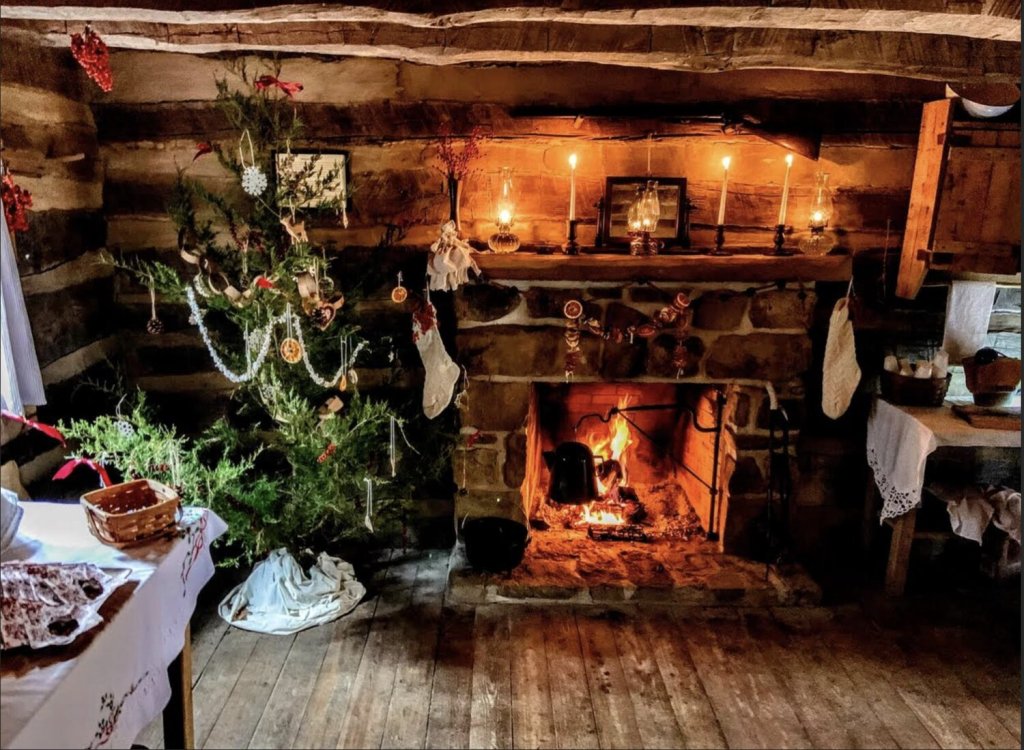
Long after the glittering rush of December fades across the rest of the country, certain Appalachian communities gather again on January 6th to mark a day tied to faith, history, and cultural endurance. This observance traces back to a calendar shift that reshaped the Christian world yet left pockets of people holding fast to an earlier rhythm of time.
January 6th stands as Old Christmas, a date once assigned for celebrating the birth of Jesus under the Julian calendar. During the late sixteenth century, Pope Gregory XIII introduced the Gregorian calendar, shifting Christmas to December 25th. Many European regions adopted the new calendar, while others moved more slowly or resisted entirely. Immigrants from Scotland, Ireland, England, and parts of Eastern Europe carried older customs across the Atlantic. In the isolated hollows and ridges of Appalachia, these customs endured, sheltered by geography and strengthened by community bonds.
For Appalachian families, Old Christmas grew into more than a historical footnote. It became a symbol of continuity, honoring ancestors who observed holy days according to older reckonings. Mountain communities valued self-reliance and oral tradition, passing stories and practices from one generation to the next. Old Christmas fit naturally within this framework, offering a sacred pause after the bustle of December and a chance to reflect on faith without distraction.
Celebration in Appalachia carried a quieter tone than modern holiday displays. Old Christmas unfolded much like a Sunday set apart for rest and reflection. Homes remained simple, free from bright lights or elaborate decorations. The focus centered on gathering, meals, and spiritual contemplation. Families prepared special foods using ingredients on hand, often featuring cured meats, beans, cornbread, apples, and preserved vegetables. These meals represented care and effort rather than excess.
Visiting formed a central part of the day. Neighbors walked across ridges or followed creek paths to sit together, talk, sing, and share news. Music played a role in many households, especially hymns passed down through generations. Fiddles and banjos sometimes joined voices, filling cabins with sounds older than the mountains themselves. Storytelling flourished, sharing memories of ancestors with reflections on scripture and seasonal change.
Faith provided the foundation for Old Christmas observance. Many Appalachian Christians viewed January 6th as a time to honor the birth of Christ according to the calendar their forebears trusted. Churches held special services in some areas, featuring prayer, scripture readings, and sermons focused on humility and gratitude. The timing after December offered space for deeper reflection, free from commercial pressures tied to the earlier holiday.
The reason for preserving Old Christmas reached beyond theology. Observing the day affirmed Appalachian identity in a world that often misunderstood or dismissed mountain culture. Maintaining this celebration signaled pride in heritage and respect for elders who shaped community values. In regions where change arrived slowly, holding onto Old Christmas felt like honoring the land itself, steady and enduring.
Appalachian people celebrate Christmas on December 25th as well. Families exchange gifts, attend church, decorate homes, and share meals alongside the rest of the nation. When asked, most would say they celebrate Christmas Day on the 25th with joy and devotion. January 6th arrives as an additional observance rather than a replacement. This dual celebration reflects flexibility within tradition, allowing communities to engage with broader society while keeping older customs alive.
Old Christmas today varies widely across Appalachia. In some hollows, the day continues much as it did a century ago, marked by simple meals, family visits, and faith. In other areas, awareness of the tradition survives through stories shared by elders, local historians, and cultural festivals. Schools, libraries, and heritage groups sometimes host events or discussions to educate younger generations about the meaning behind the date.
The Amish, who share values of simplicity and separation from modern excess, observe holidays like Old Christmas in ways that echo broader Appalachian customs. Their households spend the day resting, sharing food, visiting relatives, and reflecting on religious meaning. Decorative displays remain absent, and emphasis rests on humility and community. While Amish communities follow their own religious practices, parallels exist in the desire to keep celebration grounded and sincere.
Geography played a major role in preserving Old Christmas. Mountain isolation limited outside influence for generations, allowing customs to remain intact. Roads arrived late to many areas, and mass media followed even later. This separation fostered strong local identities, where shared practices reinforced trust and cooperation. Old Christmas fit within this social fabric, offering a shared experience that reaffirmed belonging.
Economic factors also shaped the celebration. Appalachia endured long periods of hardship, where extravagance held little appeal. A holiday focused on rest, faith, and fellowship suited communities accustomed to making do with available resources. Old Christmas required few purchased decorations or lavish gifts, aligning with values of thrift and gratitude.
As Appalachia changes, Old Christmas faces challenges. Younger generations often move away for work, encountering different customs and schedules. Modern life leaves little room for extra holidays, especially those outside official calendars. Even so, interest in regional heritage has grown in recent years. Many people seek connections to roots amid rapid change, and Old Christmas offers a tangible link to ancestral ways of living.
Social media and regional storytelling have sparked renewed curiosity about the holiday. Photos of January gatherings, simple meals, and snowy landscapes circulate online, drawing attention to a celebration unfamiliar to many Americans. Writers, musicians, and folklorists contribute essays and songs that keep the memory alive. Through these efforts, Old Christmas continues to resonate beyond the mountains.
The heart of Old Christmas lies in its emphasis on presence rather than performance. Appalachian observance values time spent together, shared labor in preparing food, and quiet acknowledgment of spiritual meaning. This approach contrasts sharply with modern holiday culture, which often centers on consumption and spectacle. For many, Old Christmas serves as a reminder that celebration can remain meaningful without excess.
January 6th also aligns with Epiphany in many Christian traditions, commemorating the visit of the Magi to the infant Jesus. This connection adds another layer of significance, linking Appalachian practice to a wider global context. Observers see the day as a continuation of the Christmas season rather than an afterthought, extending joy and reflection into the new year.
Whether Old Christmas thrives or fades depends largely on storytelling. Elders who recall childhood gatherings play a vital role in passing down memories. When these stories reach younger ears, the holiday gains new life. Some families choose to revive the observance as a way to slow down after December, creating space for connection during winter’s quiet stretch.
Old Christmas in Appalachia stands as a testament to cultural beliefs. It reflects a community’s ability to adapt while holding fast to core values. The celebration honors faith, family, and history through simple acts that speak louder than spectacle. In the hush of a January evening, with neighbors gathered around a table and hymns drifting through the hollers, the spirit of Old Christmas endures, steady as the mountains themselves.
-Tim Carmichael
 Echoes of Appalachia
Leave a comment