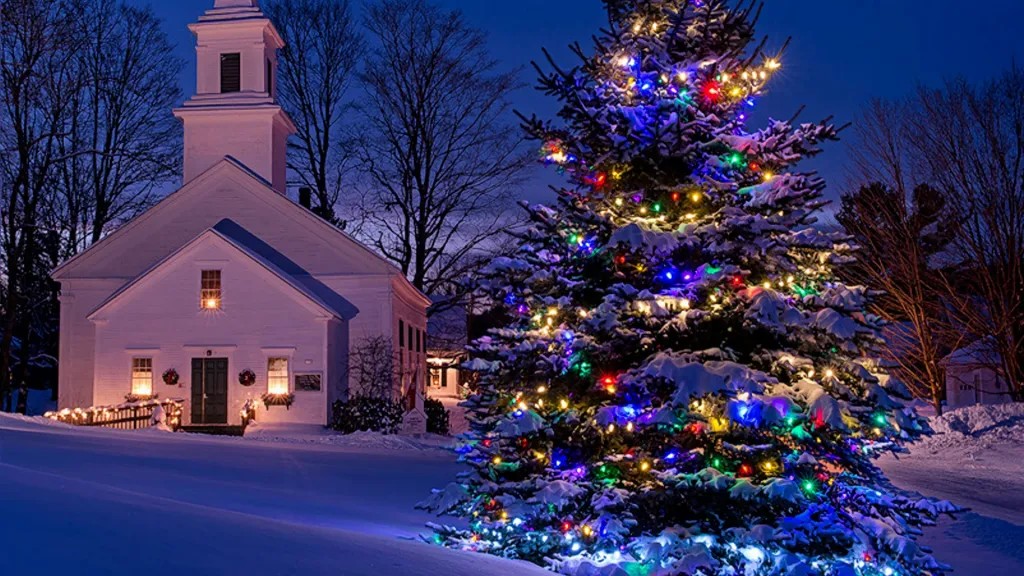
Across the hills and hollers of Appalachia, Christmas has long carried a spirit shaped by self reliance, deep faith, and a fierce devotion to community. Long before store bought decorations and electric lights reached many mountain homes, families created their own celebrations using what the land and their hands could provide. These Appalachian Christmas traditions grew from isolation, hardship, and shared joy, forming customs that feel timeless and deeply human. Even today, many of these practices continue to define the season in Appalachia, offering a window into a culture that values memory, storytelling, and togetherness above all else.
One of the most distinctive elements of an Appalachian Christmas is the observance of Old Christmas, celebrated on January 6th. This tradition traces back to calendar changes that shifted Christmas Day forward, leaving many mountain communities holding onto the earlier date tied to the Feast of Epiphany. For generations, families gathered again after December 25th had passed, sharing food and fellowship as though Christmas lingered longer in the mountains. Stories passed down speak of animals bowing in prayer at midnight on Old Christmas, a belief rooted in folklore and reverence for the natural world. Children listened closely, hoping to glimpse a quiet miracle in the barn or pasture as the night deepened.
The decorations of an Appalachian Christmas tell their own story. Instead of glittering ornaments from distant factories, homes were adorned with greenery gathered from nearby woods. Holly branches brightened doorways, pinecones lined mantels, and strings of popcorn were carefully threaded by hand, often with children sitting near the hearth. These decorations carried more than beauty. They reflected a way of life centered on using what was available and finding joy in simple materials. Candles placed in windows glowed against the winter dark, offering warmth, welcome, and guidance to travelers crossing mountain roads after sunset. The light symbolized hospitality and hope, a quiet promise that shelter and kindness waited inside.
Handmade gifts formed the heart of Christmas giving in Appalachia. Woodworkers carved toys from scraps of timber, shaping whistles, animals, and small wagons. Corn husk dolls dressed in bits of cloth became treasured keepsakes for children. Knitted socks, mittens, and scarves warmed loved ones through harsh winters. These gifts held meaning far beyond their appearance. Each stitch and carving carried time, care, and skill, strengthening family bonds and reinforcing the value of self sufficiency that defined mountain life.
Food stood at the center of every Appalachian Christmas gathering, filling kitchens with rich aromas and anticipation. Among the most beloved dishes was apple stack cake, a towering dessert made by stacking thin layers of apple filling between tender cakes. Often prepared communally, neighbors brought layers to be assembled together, turning baking into a shared celebration. Folklore credited the cake with healing powers, a sweet symbol of nourishment for body and spirit. Fruitcake, corn pudding, mincemeat pie, and homemade candies rounded out the table, alongside hearty meals of country ham, turkey, biscuits, and gravies that reflected both abundance and gratitude.
Music filled Appalachian homes throughout the season, echoing traditions passed down through generations. Carols rang out in familiar harmonies, often sung without instruments or accompanied by fiddles and banjos. Singing was communal and participatory, drawing everyone into the moment. Alongside these gentle melodies existed a more raucous custom known as serenading. Groups of friends traveled from house to house after dark, singing loudly and sometimes creating a joyful clamor meant to drive away evil spirits. Gunshots or fireworks might punctuate the songs, startling sleepers and announcing the presence of visitors. Hosts responded with laughter, food, or drink, welcoming the noise as part of the celebration.
One of the most dramatic Appalachian Christmas customs was anvil shooting. This practice involved placing gunpowder between two anvils and igniting it, sending the top anvil skyward with a thunderous boom. The sound rolled through valleys, announcing Christmas and chasing away unwanted spirits from the old year. While dangerous and rare today, anvil shooting remains a powerful symbol of Appalachian boldness and belief in marking sacred moments with unforgettable spectacle.
Drinks also played a role in warming bodies and spirits during the season. Boilo, a spiced whiskey punch infused with citrus, honey, and spices, became a hallmark of holiday gatherings in certain Appalachian regions. Shared among friends and neighbors, it fostered conversation and laughter, reinforcing bonds that carried families through winter months. These communal moments mattered deeply in a landscape where survival often depended on cooperation and trust.
Superstitions and lore wove through every aspect of an Appalachian Christmas. The Christmas fire held special importance, believed to protect the home and bring good fortune in the coming year. Some families cast lots or observed signs in the weather, seeking hints of what the future might hold. These beliefs reflected a worldview shaped by uncertainty and respect for forces beyond human control. They also added mystery and depth to the season, inviting reflection and storytelling by firelight.
Storytelling itself formed one of the richest Appalachian Christmas traditions. Elders shared tales of past winters, ancestral hardships, and moments of unexpected grace. Ghost stories and legends mingled with accounts of faith and resilience, captivating listeners young and old. Through these stories, history lived on, ensuring that lessons and values endured even as times changed.
Community remained the foundation of every celebration. Large feasts welcomed extended family, neighbors, and travelers alike. Doors stayed open, and hospitality flowed freely. In regions where distances were great and winters harsh, Christmas offered a rare chance to gather, share resources, and reaffirm connections. Candles glowing in windows symbolized this openness, guiding anyone who might need warmth or company toward a friendly hearth.
Today, many Appalachian families continue to honor these traditions, adapting them to modern life while preserving their essence. Handmade decorations still appear beside electric lights, and apple stack cakes still rise on holiday tables. Old Christmas remains a cherished observance in some communities, reminding people that time moves differently in the mountains. Music, storytelling, and shared meals continue to bind generations together, carrying the spirit of Appalachia forward.
An Appalachian Christmas reflects more than seasonal celebration. It reveals a culture shaped by history, and an enduring commitment to one another. Through handmade gifts, shared food, spirited music, and deep-rooted beliefs, the people of Appalachia created a holiday rich with meaning and resilience. These traditions continue to shine as a testament to the power of community and the beauty found in living close to the earth, offering inspiration far beyond the mountain ridges where they were born.
-Tim Carmichael
 Echoes of Appalachia
Leave a comment