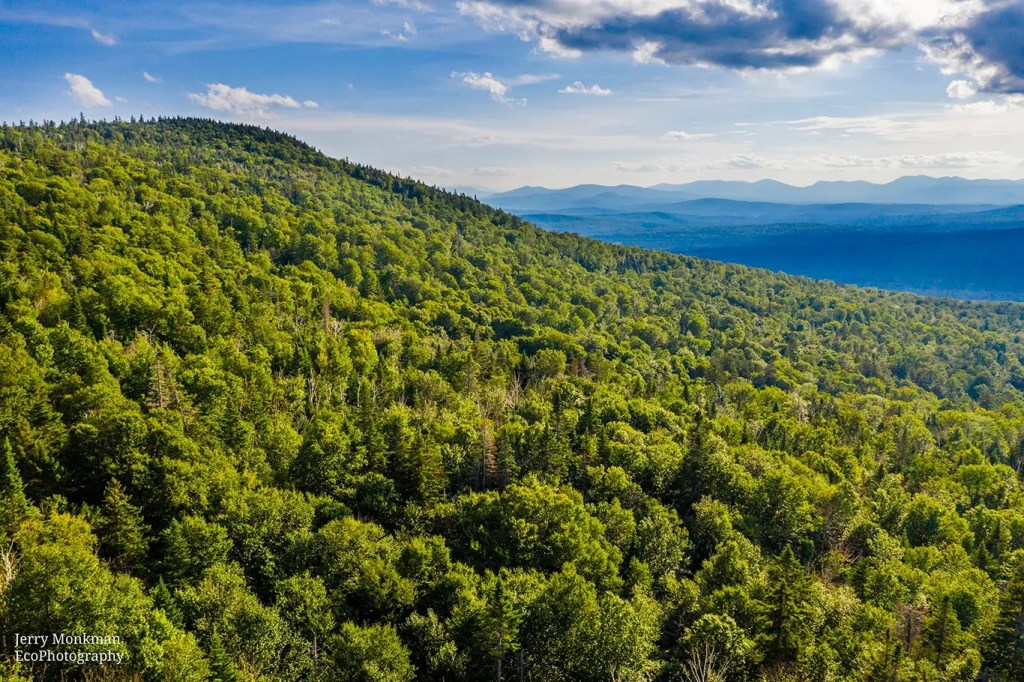
Across the Appalachian range, an air of ancient vitality flows through every ridge, hollow, and mist-covered slope. Immense variety fills these mountains, shaped through eons of shifting climates and evolving ecological rhythms. Visitors often sense a deep memory woven into leaf, bark, and soil. Though this landscape carries extraordinary strength, the surrounding world advances through rapid transformation, pressing species that once evolved within slower cycles. Scientists across many fields now explore creative strategies that enhance adaptability within these storied forests, helping them adjust to emerging conditions that would overwhelm systems lacking support.
Across hundreds of millions of years, the Appalachian system developed into a sanctuary for remarkable arrays of trees, understory plants, amphibians, mammals, birds, and insects. Shifting climates during ancient eras encouraged life to travel along corridors of cooler elevations or move into warm valleys. This structure enabled countless species to rearrange themselves repeatedly, creating the genetic wealth present today. Earlier climatic swings unfolded over vast stretches of time, allowing species far greater opportunity for gradual adjustment. Current pressures rise with a pace far quicker than the cycles that shaped earlier ages, placing heavy strain on intricate ecological networks.
Scientists working throughout the mountains seek ways to elevate long-term vitality as these challenges accelerate. Their mission rests on a guiding principle: variety, genetic flexibility, and wide ecological connections create strong foundations for enduring future conditions. Research teams study every layer of life, from microbial communities within soil to mature canopy giants. They analyze how energy flows through the system and how forests reorganize during periods of stress.
Climate patterns continue to shift. Temperature swings grow more extreme, and seasonal transitions arrive earlier or later than long-established cues. These changes influence flowering cycles, migration timing, and growth rhythms. Warm winters alter pest activity, enabling certain insects to feed longer and spread farther. Scientists track these influences through long-term monitoring stations spread across elevations and watersheds. Growth rings, seedling emergence, and canopy vigor provide valuable indicators of shifting conditions.
Hydrology represents another crucial frontier. Rainfall arrives in erratic bursts, sometimes intense enough to reshape entire slopes. Dry stretches lengthen, followed by heavy downpours that erode soil and surge through streams. Wetlands once filled with steady seasonal water now fluctuate unpredictably, influencing salamander breeding pools and riparian plant communities. Specialists explore strategies that restore wetlands, rebuild streambanks, and reestablish woody vegetation capable of absorbing and holding water. Through these measures, the landscape increases its capacity to respond gracefully during swings between drought and saturation.
Invasive species form an additional challenge. Insects, fungi, and plants arriving from distant regions spread quickly across the Appalachian corridor, disrupting finely balanced systems. Research teams analyze which tree genotypes resist advancing threats most effectively. They map zones of vulnerability, propagate resistant individuals, and assist with seedling placement across elevation bands suited for future climates. This approach draws from genetic variety already present within the range. Through careful propagation, scientists help safeguard species that face steep declines without intervention.
Soil health also commands significant attention. Beneath each forest lies an unseen universe of fungi, microbes, and invertebrates that fuel nutrient exchange and support root systems. Disturbances such as erosion, compaction, or contamination weaken this vital foundation. Soil ecologists pursue methods for rejuvenation, including reintroducing fungi that form mutually beneficial relationships with tree roots. These relationships strengthen water absorption, nutrient flow, and overall vigor. With richer soil networks, young trees develop stronger foundations that heighten adaptability during rapid environmental change.
Restoration specialists examine how mixed-species plantings can reinforce long-term stability. Earlier Appalachian forests featured dynamic mosaics of hardwoods arranged across diverse slopes. Historical clearing, disease outbreaks, and large-scale logging shifted many of these mosaics toward simplified stands that lack the functional richness once found across the region. Restoration efforts now emphasize blended plantings of oaks, hickories, birches, pines, hemlocks, maples, and a broad array of understory shrubs. Each species contributes qualities that enrich the whole. Some excel during extended dry periods, others withstand heavy rainfall, while still others shelter wildlife or improve soil structure. By weaving these varied strengths together, restored forests become far more responsive to future environmental challenges.
Wildlife conservation scientists play a central role as well. Species that migrate along elevation gradients rely on seasonal timing aligned with food availability. Birds arrive expecting an abundance of insects that sometimes emerge earlier than before. Salamanders sensitive to moisture retreat deeper into soil or leaf litter during stretches of unusual dryness. Conservation teams create detailed habitat maps, safeguard breeding zones, and strengthen ecological corridors that allow species to travel toward suitable environments when conditions shift. This connectivity forms a crucial lifeline across rugged terrain.
Community involvement amplifies every scientific achievement. Local landowners, tribal communities, hikers, farmers, and volunteers contribute through seed collection, invasive removal, wildlife monitoring, and public education. Their observations help fill gaps in scientific data, and their stewardship advances restoration across private and public lands. Collaborative engagement blends knowledge, experience, and cultural heritage. In this way, scientific insights become part of a shared regional effort rather than remaining confined to research institutions.
Forest managers also study the role of fire across Appalachian ecosystems. Some regions historically experienced low-intensity fires that cleared dense understory layers, supported nutrient cycling, and encouraged fire-adapted species. Decades of fire suppression allowed fuel to accumulate, raising the risk of high-intensity events. With warming seasons influencing drying trends, unmanaged fuel buildup increases concern across many valleys and ridges. Scientists and land managers work together to plan prescribed burns that reflect ecological history while protecting communities. Controlled fire reestablishes natural cycles, promotes new growth, and reduces the potential severity of unplanned events.
Adaptive silviculture offers another promising pathway. Rather than managing forests based strictly on present-day conditions, this approach anticipates future climates by planting species suited for projected temperature and moisture levels. It encourages managers to treat forests as dynamic systems capable of evolving with thoughtful guidance. This method aims to cultivate woodlands that hold strong through shifting rainfall patterns, warmer winters, and altered growing seasons. By planning for decades ahead, managers help ensure that future forests retain both diversity and vitality.
Educational programs across Appalachian universities and research stations train the next generation of scientists to think beyond single disciplines. Students learn how geology shapes hydrology, how hydrology influences vegetation, and how vegetation sustains wildlife. This perspective mirrors the interwoven reality of mountain ecosystems. Emerging specialists carry this holistic understanding into conservation organizations, land agencies, and academic institutions, strengthening long-term ecological care.
Communities situated near the foothills increasingly recognize their connection with mountain health. Clean water supplies, moderated temperatures, cultural heritage, recreation opportunities, and flood protection all depend on thriving forests. Partnerships between towns and conservation groups promote watershed preservation, green corridors, and sustainable outdoor access. These collaborations reflect the growing awareness that regional well-being rises from ecological stability.
Public awareness campaigns emphasize the importance of pollinators, migratory birds, and keystone species that maintain balance across food webs. Gardeners and farmers contribute through native plant cultivation, reduced chemical use, and habitat protection. Each action taken at the household or community level strengthens the larger ecological fabric stretching across the range. With these contributions, people become essential allies in the broader scientific effort.
As researchers continue their work throughout the Appalachian expanse, they remain guided by deep respect for the landscape’s long memory and future promise. Their studies reveal a forest that can rise to meet emerging challenges through careful support, restored diversity, strong genetic foundations, and broad ecological connections. Through strategic restoration, soil revival, corridor preservation, community partnership, and ongoing scientific discovery, the mountains gain renewed strength.
The Appalachian range stands as a living archive of natural history, shaped by ancient seas, shifting glaciers, and endless cycles of renewal. Today’s accelerated changes arrive with unprecedented speed, creating uncertainties that challenge long-established rhythms. Even so, the region holds extraordinary capacity for adaptation. The combined energy of science, community engagement, and thoughtful stewardship forms a powerful alliance. Together, these efforts guide the forests toward a future filled with growth, variety, and enduring vitality across the vast mountain horizon.
-Tim Carmichael
 Echoes of Appalachia
Leave a comment