For many low income families across Appalachia, winter has become a season of trade offs rather than traditions. Rising prices for basic necessities have turned what should be a joyful time of year into a series of painful calculations. Home heating costs are expected to rise by an estimated 7.6 percent nationally this winter, with some rural regions seeing electricity prices climb by more than 20 percent. In older Appalachian homes where insulation is thin and cold winds push through every crack, these increases land with particular force. Families already stretched to their limit now face bills that feel impossible to manage.
Food has also become a heavier burden. With grocery prices still rising and food banks paying roughly 30 percent more to keep their shelves stocked, many families confront the stark question so many ask: heat, eat, or Christmas? The idea of a holiday meal often fades beneath the cost of basic groceries. For parents who want nothing more than to provide warmth, nourishment, and a small sense of celebration, the rising prices erode both hope and stability.
Gift giving brings its own pressures. Historically, Appalachian families embraced traditions rooted in simplicity and care. Handmade gifts such as rag dolls sewn from scraps, carved wooden toys, fruitcakes wrapped in wax paper, and knitted scarves or hats once filled Christmas mornings with heartfelt joy. These gifts carried the kind of meaning that comes from time, not money. Today, however, consumer driven expectations push many families toward commercial presents that have grown more expensive due to inflation and supply chain strain. The desire to give children the same experiences others have can weigh heavily on parents already struggling to afford essentials.
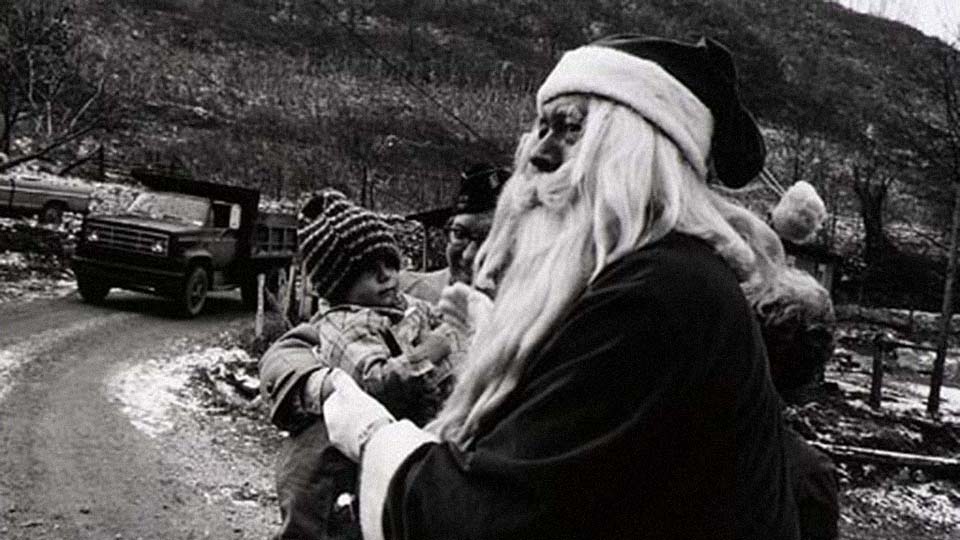
The enduring strength of Appalachian communities remains a guiding light during these difficult times. In small mountain towns and rural hollers, neighbors step in where formal support often falls short. Local food pantries and nonprofits such as Americans Helping Americans work tirelessly to provide holiday meals, warm clothing, and gifts for thousands of families. Volunteers who understand hardship firsthand bring compassion to their work, offering not just supplies but dignity, warmth, and reassurance. The kindness of strangers becomes a steady thread in the fabric of the season.
The holidays also revive memories of the poverty Christmas, when an apple or orange in a stocking was a treasured gift. These fruits were once rare winter treats, symbols of care rather than scarcity. Today, similar stories appear in families who rely on homemade gifts, pick a person exchanges, or careful use of buy now pay later services as they try to keep holiday traditions alive. Online communities overflow with honest accounts of parents doing everything possible to give their children at least a moment of magic despite rising bills and lingering debts.
For me, these pressures bring memories from my own childhood. When I was growing up, we did not receive any Christmas presents except for a stocking with oranges and apples and a few Brocks candies. We were excited just to receive that. The scent of the fruit, the glow of a simple treat on a cold morning, and the rare sweetness of the candy made the day feel magical in its own humble way. It was proof that joy could still bloom even in scarcity.
Rising costs affect families across the nation, but the burden weighs especially heavy in Appalachia, where long standing economic challenges and geographic isolation amplify every increase in the price of food, housing, and energy. Many households have been forced to spend significantly more each year since early 2021 just to maintain basic living standards. Each additional cost tightens the squeeze, turning winter into a season of endurance rather than celebration.
Yet even in hardship, the heart of an Appalachian Christmas persists. It lives in the resilience of families, in neighbors who extend helping hands, and in the enduring belief that hope can still take root in the coldest months of the year. If you have a few dollars to spare, reach out and help people who have less than you. And do not forget about those who live in nursing homes without family or friends, because it does not take much to bring a little happiness into their lives.
-Tim Carmichael

 Echoes of Appalachia
Leave a comment