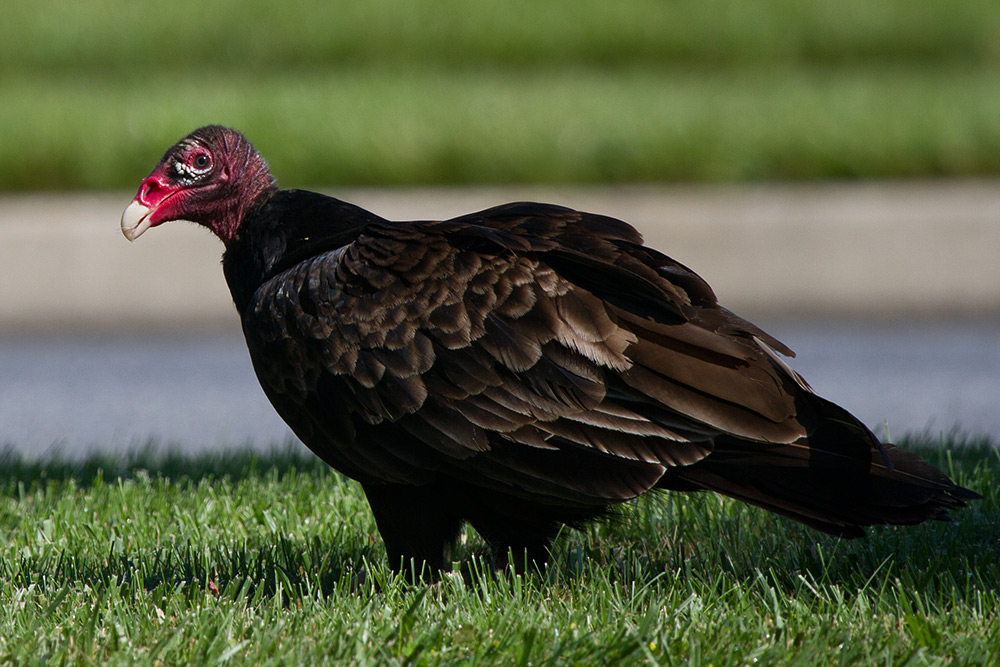
The Appalachian region holds a long tradition of close ties between communities and the natural world. When wildlife experiences a sudden crisis, residents often sense the shift quickly. A recent discovery in Rocky Mount, Virginia created exactly that kind of jarring moment. Numerous vultures were found lifeless in a shallow creek bed and a nearby wooded area at the corner of Dent and Franklin streets. The scene triggered swift action from wildlife officials, raised pressing questions among residents and highlighted a growing statewide pattern tied to highly pathogenic avian influenza, often called bird flu.
The incident began when town staff discovered several motionless birds scattered along the waterway. The location held two clusters. One lay directly within the creek bed and the other extended into the adjacent woods. Early assumptions included the possibility that these birds might have been crows since that species frequently gathers in sizable groups. A closer assessment revealed that the birds were vultures. This distinction holds significance because vultures across the region have recently shown heightened vulnerability to avian flu strains that circulate in wild populations.
Officials from the Virginia Department of Wildlife Resources moved forward with a response plan that treats the event as a suspected avian flu outbreak. Teams collected samples from several carcasses and transferred them to laboratories for further examination. Results will clarify the precise strain involved as well as any contributing environmental factors. Early indicators align with ongoing challenges that the agency has documented throughout late 2025 in Southwest Virginia where several vulture groups tested positive for HPAI.
Rocky Mount leaders responded quickly regarding community safety. Residents expressed deep concern about the proximity of the deaths to a working waterway. Many individuals who rely on local streams for recreation or observe wildlife in the area wondered about potential impacts on the broader watershed. Town officials addressed these concerns by explaining that the municipal water system receives supply from sources far removed from the Dent and Franklin creek corridor. Treatment processes rely on protected collection points rather than this small tributary. This separation eliminates risk for the drinking water supply, a fact that officials emphasized during initial communications.
Although the public water system remains secure, local leaders urged residents to avoid the affected waterways. The request serves as a temporary precaution intended to reduce any chance of contact with viral residue that may linger on surfaces or within the shallow creek environment. Avian influenza carries limited risk for humans under most circumstances. Even so, wildlife specialists recommend physical distance from infected birds, carcasses or materials that may have come into contact with contaminated fluids. This approach aligns with federal and state guidelines designed to safeguard people, pets and livestock.
The unusual circumstances surrounding the Rocky Mount discovery captured attention from residents partly due to the creek’s involvement. Water holds powerful symbolic value in Appalachian communities. Streams serve as gathering spots, fishing areas, scenic refuges and historical landmarks. When a wildlife incident intersects with these waterways, questions surface quickly. Some community members wondered whether the water itself played a role in the deaths. Others speculated about environmental stress, seasonal shifts or food source issues. As authorities continue their analysis, they have explained that avian flu spreads primarily through direct contact among birds rather than through drinking water systems used by people. Viral particles can enter shallow water when infected birds congregate or die near a waterway, although that condition does not necessarily signal long term contamination across the broader watershed.
The broader picture across Virginia reveals a worrisome trend. The DWR has received an increasing number of reports involving sick or deceased wild birds throughout the year. Several species show evidence of exposure, although vultures remain especially susceptible due to their feeding habits. As scavengers, they encounter carcasses more frequently than many other birds. If a single infected animal dies in an accessible location, vultures that arrive to feed may experience heavy viral exposure. This feeding pattern allows the virus to move through a local group with surprising speed.
Late 2025 brought confirmation of HPAI cases in multiple vulture populations across Southwest Virginia. These confirmations made the Rocky Mount discovery feel less isolated and more interconnected with a statewide wave of infections. Wildlife officials face the challenge of tracking outbreaks that shift rapidly through landscapes. Migratory birds can introduce new strains during seasonal movement. Resident birds such as vultures can amplify transmission within specific areas. Changing weather patterns may also influence how long viral particles remain viable in the environment.
Understanding this complex interplay becomes crucial for community response. Wildlife managers encourage residents to remain observant. Anyone who encounters sick or dead birds, particularly multiple vultures, waterfowl or raptors in the same location, can assist the monitoring process by reporting the sighting. The DWR maintains a hotline at 855-571-9003 where residents can share details that support statewide mapping of potential outbreaks. These reports help agencies identify emerging clusters, gather diagnostic samples and deliver updates to both the public and conservation partners.
The Rocky Mount event also highlights the importance of maintaining a balance between respecting nature and observing caution during a wildlife health crisis. Communities thrive when they understand how to coexist with the animal populations that surround them. With avian flu cases rising, simple protective measures carry substantial value. Avoiding direct contact with dead birds, keeping pets away from carcasses and observing guidance from wildlife experts form the foundation of community safety.
While the incident raised concern about the creek’s role, specialists have explained that shallow streams often serve as resting places for injured or ill birds. Weakened vultures may follow natural drainage paths because these paths offer easier terrain during physical decline. A bird battling a severe infection may reach the edge of a waterway simply because gravity and sloping ground draw it there. A narrow creek bed creates a natural collection point where multiple birds might end up during the late stages of illness. These patterns occur in many regions where HPAI outbreaks affect scavenger species.
Residents who observed the scene described a quiet, eerie atmosphere around the creek. Environmental crews moved with care as they removed carcasses, wearing protective gear and securing the area to prevent disturbance from pets or curious onlookers. That sense of caution remains vital throughout the investigative phase. Even though avian flu rarely causes widespread human illness, health agencies agree that strong hygiene practices reduce the already low chance of transmission.
As test results progress through laboratory analysis, wildlife officials intend to share updates with the public. Data from these tests will contribute to statewide tracking efforts that allow scientists to compare strains, identify mutation patterns and predict future movement of the virus. These insights directly influence management strategies that protect both wildlife populations and community environments.
The Appalachian region has weathered many ecological challenges through history. From forest health concerns to white nose syndrome in bats, communities often respond with resilience rooted in deep appreciation for native species. The vulture deaths in Rocky Mount add a new chapter to that ongoing story. Although vultures seldom receive the same admiration as songbirds or birds of prey, they play a crucial role in maintaining ecological balance. Their scavenging reduces the spread of disease by removing carcasses that could otherwise attract pests or promote bacterial growth.
The loss of numerous vultures in one event therefore carries ecological consequences beyond the immediate emotional impact. Reduced scavenger activity can influence how long animal remains persist in an area. This shift may alter local predator dynamics or increase opportunities for secondary infections among other wildlife. These cascading effects underscore the importance of understanding the root cause of the Rocky Mount incident and responding with strategies grounded in science.
Community engagement plays a key role in the path forward. Residents can support wildlife health by securing garbage, monitoring outdoor pets, reporting unusual wildlife behavior and sharing educational materials with neighbors. Schools, nature groups and local conservation organizations may choose to highlight this event in upcoming programs that teach students about avian diseases, ecological networks and environmental stewardship.
Local leaders in Rocky Mount have expressed appreciation for the patience and cooperation shown by residents. They continue to reassure the community that the municipal water system remains safe and unaffected due to the separation between the treated water sources and the impacted creek. This distinction remains central to maintaining public confidence during wildlife disease events. Drinking water infrastructure operates with multiple treatment layers that shield residents from environmental occurrences in nearby streams.
The narrative that unfolds from the Rocky Mount creek reflects a moment when community awareness intersects with ecological science. The discovery of the vultures created waves of concern that traveled quickly through households, workplaces and social networks. Those reactions, while emotional, also lead to constructive steps that support effective monitoring and responsible wildlife management. The collaboration between residents, town officials and the DWR forms a foundation for informed decision making as new information becomes available.
In time, laboratory results will determine the precise cause of the Rocky Mount vulture deaths. Current evidence strongly suggests a connection to the broader HPAI activity observed across Southwest Virginia. If confirmed, these results will deepen scientific understanding of how avian flu spreads through scavenger populations in Appalachian landscapes. The incident may also motivate renewed attention to regional strategies that support early detection, rapid response and long term ecological resilience.
For now, the creek at Dent and Franklin streets remains a reminder of the delicate balance between wildlife health and community environments. Rocky Mount residents continue to look for answers with a blend of concern, curiosity and commitment to the region they call home. The events have encouraged thoughtful discussions about how diseases move through natural systems, how people can assist in monitoring and how communities can approach environmental surprises with calm preparation rather than fear.
Through every phase of this investigation, one guiding principle remains clear. Awareness empowers communities to respond effectively. When residents report unusual wildlife behavior, follow safety recommendations and stay informed through official updates, they help shape a resilient Appalachian region able to navigate challenges that emerge at the intersection of environment, wildlife and public health.
-Tim Carmichael
 Echoes of Appalachia
Leave a comment