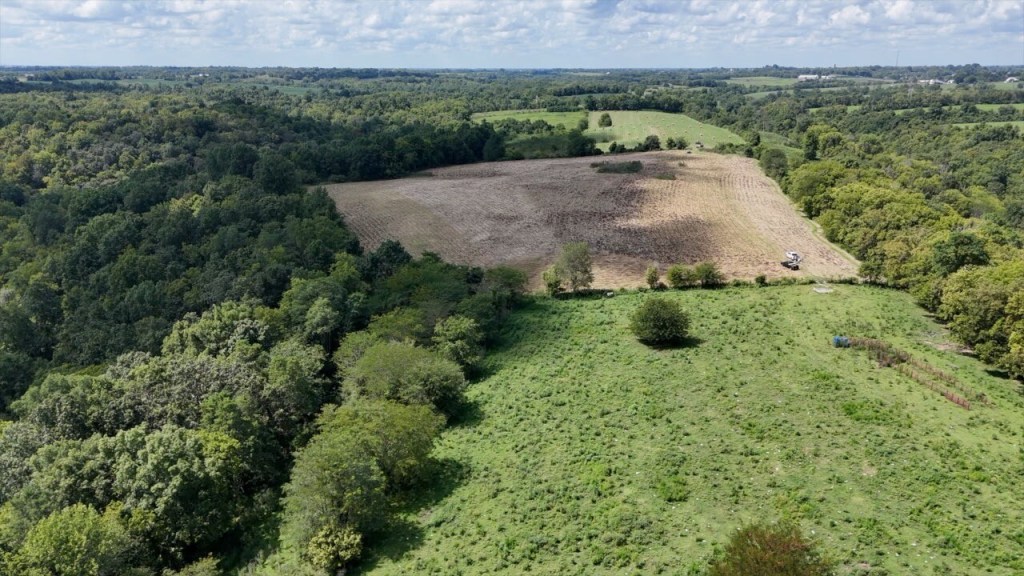
A major proposal in Mason County in Kentucky has drawn attention across Appalachia as residents, local officials, and regional observers try to understand what a massive data center would mean for the land and for the people who have cared for it through many generations. A Fortune one hundred company has expressed interest in building a hyperscale data center on Big Pond Pike, with plans that involve hundreds of permanent positions and more than one thousand temporary construction roles. Many community members feel a mixture of anticipation and apprehension while weighing possible gains against possible harms. This energetic public conversation offers a vivid look at the challenge many rural regions face when large corporations arrive with large scale projects.
To understand the stakes of the debate, one must understand what data centers actually do. Modern digital life flows through physical servers that occupy enormous buildings. Every email, every streamed film, every online purchase, every work file saved to cloud storage must pass through machines that operate continuously. These servers rely on steady electricity and sophisticated cooling systems, since the heat they produce can cause serious equipment failure if unmanaged. As global data use rises each year, the scale of these facilities grows as well.
Energy use is central to the environmental concerns many residents of Mason County have raised. A hyperscale data center consumes electricity around the clock and places significant demand on a regional grid. Large loads can press existing infrastructure to its limits and encourage utility companies to expand transmission facilities across the countryside. Rural landscapes often see new towers and lines stretching across fields that once stood untouched. When electricity providers must fund major upgrades, costs can reach consumers in subtle ways. Residents worry that this project could eventually influence long term pricing or strain systems during extreme weather.
Cooling demands form another pressing issue. Data centers generate massive quantities of heat and therefore require complex cooling systems. Some rely on air based systems, while others employ evaporative methods that require immense volumes of water. In many regions, data centers have consumed millions of gallons on high demand days. Mason County includes farmland, small towns, and dispersed households that share limited water resources. The prospect of a facility that draws heavily from these supplies creates unease. Appalachian communities have seen how fragile water systems can be during droughts or emergencies, and many residents want to avoid any situation that could threaten access to safe and abundant water.
Land transformation plays a significant role in the debate as well. Extensive acreage must be cleared for buildings, roads, security perimeters, and electrical infrastructure. Appalachia holds ecosystems of remarkable richness. Hills, ridges, wetlands, and wooded hollows shelter countless species that depend on steady habitat conditions. When forests disappear or soil is disrupted, water patterns shift. Flood risk can rise in low lying communities, tree cover can decline, and wildlife may face challenges finding food or shelter. Mason County residents often speak of the land with deep affection. Many families trace their history in the region through centuries, and landscapes carry cultural memory that cannot be replaced. A massive industrial structure can change the character of a place forever.
Quality of life concerns extend beyond environmental factors. A data center may operate more quietly than factories, yet the constant hum of cooling systems, lighting that shines through the night, and increased vehicle traffic all influence daily living. Rural life often includes a strong sense of peace at dusk, dark skies that reveal constellations, and gentle ambient sounds of fields and forests. Industrial lighting can diminish the view of the night sky. Mechanical noise can echo across valleys. Residents who cherish the serenity of the region fear that their sense of place could shift in ways they never expected.
Given these concerns, many people ask why Appalachia has become such a popular destination for data center development. Several forces drive this trend. The first involves land costs. Large corporations building hyperscale structures require extensive acreage, and Appalachian counties often offer land at far more affordable prices than urban areas. Companies can acquire vast parcels without the complications of crowded city environments.
Another factor involves local economic aspirations. Many Appalachian counties have faced job losses, declining extractive industries, and population outmigration. Leaders often seek opportunities that could bring stability and growth. When a powerful corporation arrives with a proposal that includes hundreds of positions, local officials may view it as a route toward economic revival. The hope for new income streams can carry great weight during discussions.
State level incentives also shape these choices. Kentucky has pursued technology related industries in an effort to strengthen and diversify its economy. Incentives and favorable permitting processes attract interest from corporations searching for long term sites for digital infrastructure. When a corporation considers multiple states, such incentives can influence the final decision. Mason County then becomes part of a broader statewide strategy that stretches across the Appalachian region.
Geography also matters. Many parts of Appalachia experience low seismic activity. Stable ground reduces risk for delicate servers. Combined with access to regional electrical lines and open space for building, these geological conditions help create an appealing destination for data center projects.
Although these factors make the region attractive to corporations, they heighten the need for thoughtful and informed community participation. Residents understand that economic promises often sound compelling in the early stages of negotiation. They also understand that long term outcomes can look different once construction ends. For example, permanent positions at data centers frequently require advanced technical training. Local residents may need extensive education programs to compete for these roles. Without strong agreements that prioritize local hiring and skill development, many of the highest paid positions could go to workers from outside the region.
This reality shapes concerns about fairness and sustainability. A community could experience significant disruption through land clearing, noise, water use, and rising electrical demand while receiving far fewer lasting benefits than originally anticipated. This possibility motivates many Mason County residents to speak up, attend meetings, review documents, and request transparent information. The upcoming county fiscal court meeting on November twelve offers another chance for residents to present questions and insights that can guide the decision making process.
Residents also recognize that Appalachia holds immense cultural and ecological value. Mountains, valleys, creeks, hayfields, and wooded hillsides create a distinctive environment that shapes identity, family traditions, and community life. People gather on porches to watch evening light settle over the ridges. Children grow up exploring forests. Elders share stories rooted deeply in the land. Many fear that industrial scale development could erode these characteristics. Large data centers often bring uniform buildings that replace the organic shapes of the landscape. Although progress and investment matter, many residents feel strongly that these qualities deserve protection.
The effort to defend community interests encourages civic engagement. Residents can influence outcomes when they organize, research, and speak collectively. Coalitions of farmers, educators, retirees, students, and local business owners can request environmental studies that examine potential harm to waterways, wildlife, and forests. They can advocate for agreements that require energy efficiency practices, water conservation systems, emergency preparedness plans, and strong protections for residents who live closest to the site. They can insist on accountability measures that ensure the company fulfills its commitments.
This kind of participation strengthens democratic processes. It also reminds corporate representatives that rural communities possess deep knowledge of their land and deserve respect. Many Appalachian regions have experienced exploitation during previous eras of industrial activity. People have learned the importance of vigilance and collective action. Through community meetings, public statements, and local organizing, residents ensure that the future of their land reflects their own priorities.
The debate in Mason County demonstrates that Appalachia stands at a crucial crossroads. Digital infrastructure continues to expand worldwide, and companies remain eager to establish facilities in places with available land and supportive state policies. Rural regions across the country face similar pressures, though Appalachia carries unique ecological, cultural, and historical qualities that intensify concern.
Mason County residents, by raising their voices and examining every detail of the proposal, show how a community can guide conversations that affect its future. Economic growth holds value, and many hope for greater opportunity in the region. At the same time, the land carries meaning that cannot be measured in dollars. The streams, fields, and quiet evenings remain central to the Appalachian experience. When people fight to protect these treasures, they affirm the worth of their heritage and the importance of safeguarding it for future generations.
Through careful reflection and persistent engagement, Mason County continues to shape the direction of this debate. Whether the data center moves forward or takes another form, the community’s commitment to speaking openly and thoughtfully reveals the enduring strength of Appalachian identity.
-Tim Carmichael
 Echoes of Appalachia
Leave a comment