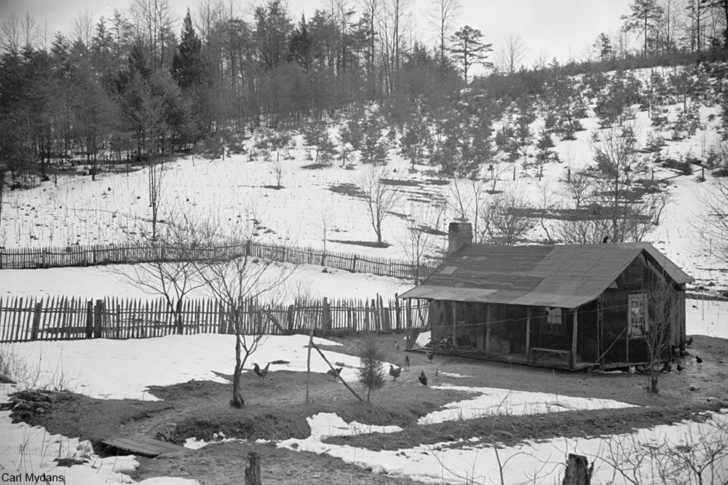
As the amber leaves fall and the mist curls through the hollers of the Appalachian Mountains, an ancestral pulse still beats in the region’s weathered cabins and creaking barns. In the heart of this landscape, spun from ridgetops and narrow valleys, from hewn logs and moonlit hollers, lingers the legacy of superstition. Each gust of wind, each snowflake drifting through chill air, carries a story of caution and belief passed from father to daughter, grandmother to grandson. It is here that the seasons shift and with them come omens and rituals shaped by generations who read the sky and the earth as one.
November arrives like a slow exhale, the trees stripped of their gilded crowns, the world preparing to close down for winter. In this month the mountains themselves seem to hunker down, and the old ways return as nighttime fires warm living rooms, folk songs resonate across wooden porches, and the smoky smell of burning wood calls attention to tradition. The people of Appalachia learned early that survival meant paying attention to the squirrels’ busy tails, to the woolly worms inching across a fencepost, to the moon’s shape and where the smoke sets. In December the stillness deepens, frost carves patterns on windowpanes, smoke from chimneys drifts into frosty air, and the rhythm of hearth and home slows further. In that time the old lore clarifies.
November: The Season of Signs
When daylight shrinks and the world begins its retreat into winter rest, Appalachian folk held fast to weather omens and household caution. These signs offered both guidance and protection.
Fur and squirrels indicated a rough winter ahead if the squirrels began gathering nuts very early or built their nests low in the tree branches. Woolly worms and thick coats on animals signaled cold if a woolly worm’s head stripe grew wide and dark, or if animals developed extra thick fur by November. Acorns and walnuts offered clues as well. A heavy drop of acorns or a plentiful walnut crop suggested a bitter winter coming. Snow and frost foretold conditions. If snow lay on the ground without melting for more than three days, more snow would follow. Leaves clinging to branches beyond their normal time suggested winter would be severe and enduring.
Within the walls of a home, the lore extended to daily actions. Dropping a fork or spoon indicated the arrival of a visitor. If a broom fell over on its own, company or events might arrive soon. Prophetic dreams, such as losing a tooth or seeing a baby, were seen as portents of major shifts.
By late November many households prepared for the season. Firewood stacked, root vegetables stored, old quilts aired. The holler prepared the body, the mind, and the home for the long months ahead. People observed their inherited signs, watching the sky for the shape of the moon, the path of migrating geese, the red glow in the east at dawn.
December: Hearth, Frost, and Hidden Rituals
With the calendar’s turn and frost darkening the edges of days, December in Appalachia carried layered meanings. Homes glowed with lamplight, windows fogged from inside, deer tracks marked fields across moonlit snow. Superstition shaped behavior.
Frost count and rainfall predicted conditions for the new year. The twelve days between Christmas and early January were believed to determine the coming year’s weather. Rain during that span promised a wet twelve months. Winded Christmas Day meant fruitfulness. Thunder during those days meant heavier snow to come. Snow on Christmas night promised healthy crops the next year. Green on Christmas indicated that Easter might carry snow. Early removal of decorations implied ill luck for the year ahead. Pantry preparation for the New Year indicated abundance or scarcity based on fullness.
Within the house, old-time folks followed rituals. Washing on New Year’s Day was avoided to preserve good fortune. The first visitor after New Year’s needed to be of the opposite gender to bring luck. When giving a gifted wallet or purse, a coin was placed inside so the receiver would have money to begin.
In the forest and fields, December brought omens. Patches of snow unmelted where the sun should have warmed them indicated more snow. A robin venturing into the yard during snowfall signaled good fortune. An owl hooting in the daytime indicated misfortune near.
The Tapestry of Belief
The superstitions of Appalachia hold two faces: one rooted in practicality, the other steeped in mystery. These were weather signs, observations of nature meant to help people survive the harsh season. They were also talismans and warnings, actions or omens that threaded human life to the unseen. In an unheated cabin high above a frozen holler, where the wind sang through the eaves, every crack in the wall might carry meaning.
These rituals brought comfort. They offered a sense of control when mountain dusk fell early and the nights stretched long. They connected the present to the past. A grandmother might say, “If the woolly worm’s stripes widen in November, we’ll freeze until March,” and her granddaughter would nod, stacking wood, checking the squirrel nests, and smelling the smoke of the hearth.
One sees how superstition merges with survival. A well-timed frost indicated the winter’s depth. Thick bark on trees meant sheltering wood. A full moon’s glare warned of storms. In a region where plow and axe, moonlit rides through hollers, and the slow turning of seasons decided life’s rhythm, these signs mattered.
Why These Beliefs Persist
In a modern age of weather apps and satellite forecasts, these old signs persist in Appalachia because they carry heritage and connection. They tell of ancestors who observed the woolly worm and the squirrel’s frenzy, leaning on the crackling fire while the wind buffeted the hills.
Superstition binds community, memory, and place. It says: here in the ridges we are part of a tradition. It says: we have learned from the life of trees, the shape of nests, the chatter of birds, and the patterns of snow. The lore gives shape to seasons and meaning to small things. A dropped spoon signals company. A fallen broom invites visitors. These small acts become ritual.
In December people may hang wreaths and string lights. A woman in a mountain holler may slide a bird’s nest into her Christmas tree because it invites abundance. The lore thrives beneath visible festivities.
A Select List of November and December Superstitions
- Squirrels gathering nuts very early and nesting low in trees indicate a harsh winter ahead.
- Heavy drop of acorns and plentiful walnuts suggests bitter winter coming.
- Snow remaining unmelted for more than three days signals more snow soon.
- Number of frosts during December predicts rainfall for January.
- Twelve days between December 25 and January 5 determine the next year’s weather.
- Leaving Christmas decorations up past New Year’s Day brings misfortune.
- First visitor of New Year’s Day should be a man to bring good fortune.
- Bird’s nest placed in the Christmas tree invites happiness or good luck.
- Owl hooting during the day or unusual nature signals danger or death near.
- Leaves clinging unusually late indicate a severe and long winter.
Final Thoughts
Walking into the holler on a crisp December evening, one senses the presence of these beliefs in every breath of wind. The mountain stands silent, the branches black against the sky, and the home glows like an anchor in the cold. The superstitions that swirl in the hearthlight carry old voices, of craft and kin, of the hard winter, the quiet spring, the enduring ridge.
These stories persist because they feel right to those who observe, because a squirrel’s nest does arrive early, because frost counts and snow lingers. They continue because the land remembers what it has seen and speaks through the lungs of those who dwell here.
In the world of the hills, superstition is more than belief. It is vigilance, respect, and connection. In the season of November and December, when daylight recedes and the mountain holds its breath, that connection matters more than ever.
When the next frost darkens the window, when leaves linger, when the woolly worm crawls slowly across the woodpile, remember that in Appalachia the mountain watches. Observing closely reveals the message: prepare, observe, respect. The hills keep their stories, and their stories keep you.
-Tim Carmichael


 Echoes of Appalachia
Leave a comment