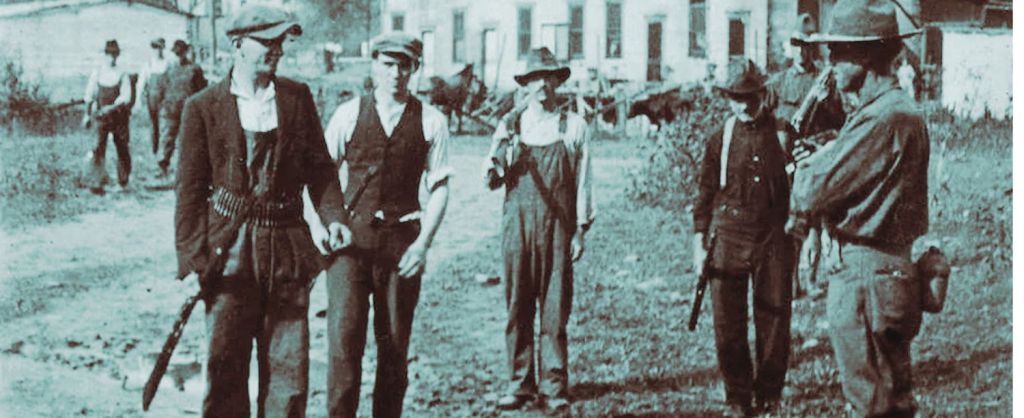
In the summer of 1921, the ridges of southern West Virginia became the backdrop for one of the most
extraordinary conflicts in American history. The Battle of Blair Mountain represented the culmination of years of tension, violence, and economic hardship in the coalfields of Appalachia. Over five days, an
estimated 10,000 to 15,000 armed miners confronted approximately 3,000 coal company guards and local deputies. The scale of the fighting and the arrival of federal troops transformed this event into the largest labor uprising in United States history and the largest armed insurrection since the Civil War.
The origins of the battle emerged from the harsh conditions endured by Appalachian miners. Coal mining carried daily risks of cave-ins, explosions, and exposure to poisonous gases. Workers received wages in company scrip, accepted only at company-owned stores that often charged inflated prices. Entire towns fell under the control of mining companies, including rent, goods, and medical care. Families lived in these isolated communities with very little freedom to challenge corporate authority. Efforts to form unions faced eviction, blacklisting, and violence. The United Mine Workers of America worked tirelessly to organize miners across the region, while coal operators employed armed guards and influenced law enforcement to suppress union activity. Tensions escalated steadily through a series of confrontations known as the West Virginia Coal Wars, violent clashes occurring throughout the early twentieth century.
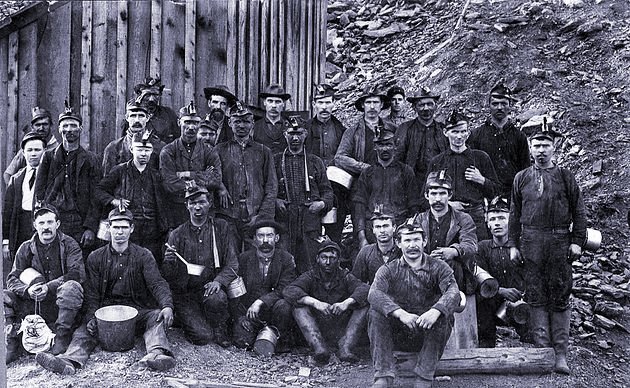
By 1921, Mingo County became a focal point of unionization efforts. Miners attempted to organize mines in the area, confronting fierce hostility from operators and their allies. The assassination of Sid Hatfield, a sheriff and supporter of miners, intensified anger. Witnessed by many on courthouse steps, his murder galvanized miners across the region. Thousands began marching toward Mingo County in late August, determined to challenge the power of coal operators and demand recognition for their union.
The march grew steadily as miners from different hollows and towns joined, carrying rifles, shotguns, and pistols. Many wore red bandanas around their necks, a symbol that inspired the term “redneck.” Opposition forces, led by Logan County Sheriff Don Chafin, prepared extensive defenses along the ridges of Blair Mountain. Trenches and machine gun positions fortified the high ground, offering a formidable barrier to the advancing miners.
As the miners approached, fighting erupted, continuing from late August into early September. Gunfire echoed through the mountains as miners attempted to break the fortified lines. Machine guns fired on advancing groups while defenders held the higher ground, aiming with precision. Accounts describe private planes flying overhead, dropping makeshift bombs and chemical agents. The miners fought with courage shaped by years of exploitation and extreme danger. Casualties occurred on both sides, leaving lasting scars on families and communities throughout the region.
The conflict attracted national attention, alarming political leaders. President Warren G. Harding ordered federal troops to intervene. Army soldiers arrived with military equipment, including aircraft, to restore order.
Facing overwhelming federal power, miners dispersed, hiding weapons in the hills before returning to
their homes. Leaders of the uprising faced trials for treason and murder, and the majority received
acquittals.
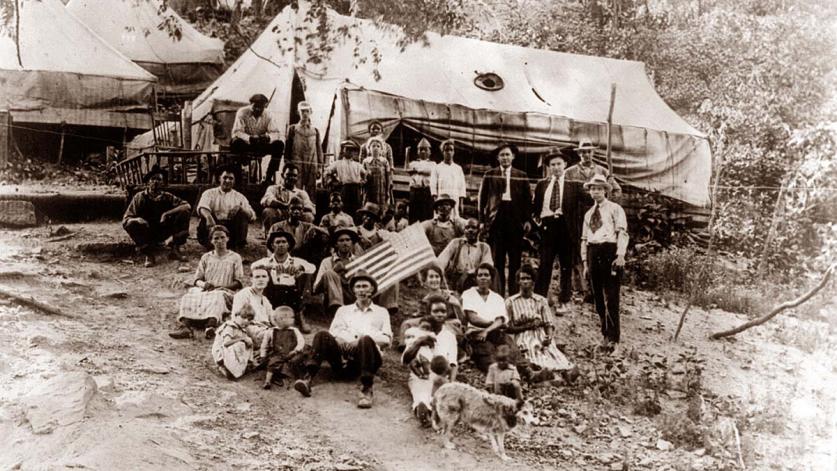
The immediate results dealt a severe blow to union efforts in southern West Virginia. The United Mine Workers of America lost influence in the coalfields, and it required more than a decade for union strength to return during the New Deal era. For miners who fought, the battle remained a defining act of courage and resistance.
Blair Mountain holds significance beyond its historical moment. It represents a struggle between working people and powerful interests that resonates today. The battle illustrates a pattern where government forces defend wealthy corporate interests against ordinary citizens seeking fairness, safety, and economic opportunity. This dynamic continues in modern labor disputes, environmental struggles, and social movements where communities challenge entrenched power.
Life in the coal camps contributed to the intensity of the uprising. Miners and their families endured
isolation, poverty, and disease. Children worked alongside adults in the mines or performed chores in the company towns. Families relied on shared community support to survive. The dangers of mining formed a constant presence, shaping every decision and fueling the miners’ determination to fight for change.
The march toward Blair Mountain involved long treks across rugged terrain. Miners moved through forests, creeks, and ridges carrying weapons, food, and supplies. Campfires lit the night as men shared stories of losses, hopes, and the principles that drove them forward. Leaders organized units, coordinated movements, and maintained morale despite exhaustion and fear. The sense of solidarity among thousands of men and women who supported them created a shared identity grounded in resistance and courage.
The battle itself was chaotic, intense, and terrifying. Gunfire ricocheted off rocks, and explosions tore
through the landscape. Soldiers and company guards with machine guns targeted advancing miners. The miners relied on small arms and their knowledge of the terrain to maneuver. Smoke from burning brush and gunpowder filled the air. Soldiers dropped bombs from planes, creating a scene resembling a battlefield in Europe rather than the mountains of Appalachia. Miners displayed extraordinary bravery in the face of overwhelming force, advancing repeatedly under fire and rescuing comrades wounded in the struggle.
Stories of individual heroism emerged from the battle. Men who had spent years working side by side in mines took leadership roles on the ridge. Some guided injured comrades to safety, while others found creative ways to breach enemy lines. Their actions reflected determination and a refusal to accept oppression in silence. Communities provided support through messages, food, and information, showing that the fight extended beyond the battlefield.
Federal intervention highlighted the imbalance of power. Soldiers armed with modern military equipment, including airplanes, confronted miners with rifles and limited ammunition. The show of force forced miners to disperse, demonstrating the role of government in protecting corporate interests. Trials and legal repercussions followed, shaping the labor movement for decades. Many miners faced harassment and intimidation, slowing union progress in the region. Despite these setbacks, the events at Blair Mountain inspired future generations to continue the struggle for workers’ rights.
Blair Mountain remained absent from mainstream history for decades. Textbooks overlooked the events, and public memory failed to preserve their significance. Recent preservation efforts seek to ensure the story is told accurately. The battlefield is now listed on the National Register of Historic Places, symbolizing the enduring importance of labor struggles and the sacrifices made by Appalachian miners.
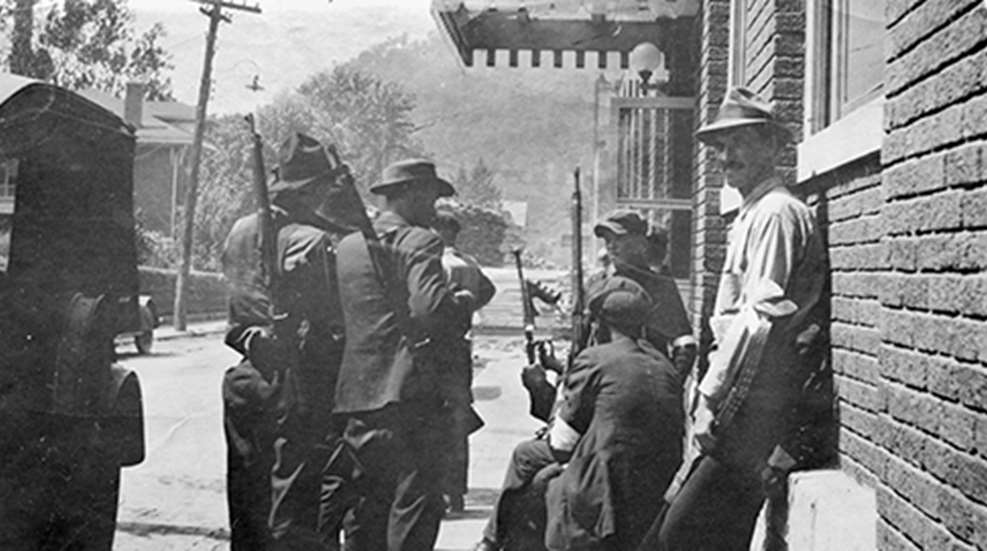
Preservation efforts also confront modern threats, including environmental challenges and commercial development, maintaining the mountain as a historical and cultural landmark.
The story of Blair Mountain carries lessons for today. Ordinary people face powerful forces seeking to
maintain wealth and control. Miners challenged entrenched authority to demand fairness, safety, and
dignity. Modern labor disputes echo similar patterns, where communities confront corporate interests
supported by government policies. The battle provides a historical example of courage, solidarity, and the enduring struggle for social and economic justice.
Standing on the ridges today, visitors can imagine the chaos, smoke, and gunfire that once filled the
mountains. Red bandanas symbolize resistance and determination. Blair Mountain tells the story of
working people rising against overwhelming odds, risking life and livelihood for principles larger than
themselves. It reminds all Americans that social and economic progress often requires struggle and
collective action.
The Battle of Blair Mountain represents a turning point in American labor history. It illustrates the human cost of industrial exploitation and the lengths ordinary citizens will go to secure justice. Families endured hardships, communities faced violence, and thousands risked everything for the hope of fairness. The courage of miners at Blair Mountain inspired labor movements across the nation, shaping policies and influencing unionization efforts in the decades that followed.
The legacy of Blair Mountain continues to inform contemporary discussions about workers’ rights,
corporate power, and government accountability. The miners’ fight underscores the importance of vigilance in defending human and labor rights. Their story reminds the public that progress requires organized resistance and sacrifice.
Appalachia’s fight at Blair Mountain represents the ongoing conflict between concentrated wealth and ordinary people seeking justice. The battle, with its remarkable scale and intensity, offers a window into the struggles that shaped the modern labor movement. It remains a powerful reminder of courage, resilience, and the willingness of communities to resist oppression in pursuit of dignity and fairness.
Through the preservation of Blair Mountain and the stories of those who fought, future generations can understand the cost of progress and the importance of standing up to entrenched power. The battle exemplifies the timeless struggle for justice in America, highlighting the relevance of labor rights and the enduring spirit of Appalachia.
The miners’ march, sacrifices, and courage displayed in the mountains provide lessons that resonate today.
Standing on Blair Mountain, echoes of the past remind all citizens that fighting for fairness, safety, and dignity remains a responsibility of each generation. Ordinary people have the power to challenge authority, resist exploitation, and shape history when they act collectively.
Blair Mountain serves as more than a battlefield. It is a symbol of resistance, hope, and the ongoing
struggle for social and economic justice in Appalachia and across the nation. The story of those who fought continues to inspire workers, communities, and advocates confronting inequality and defending the principles of fairness and human dignity.
-Tim Carmichael
 Echoes of Appalachia
Leave a comment