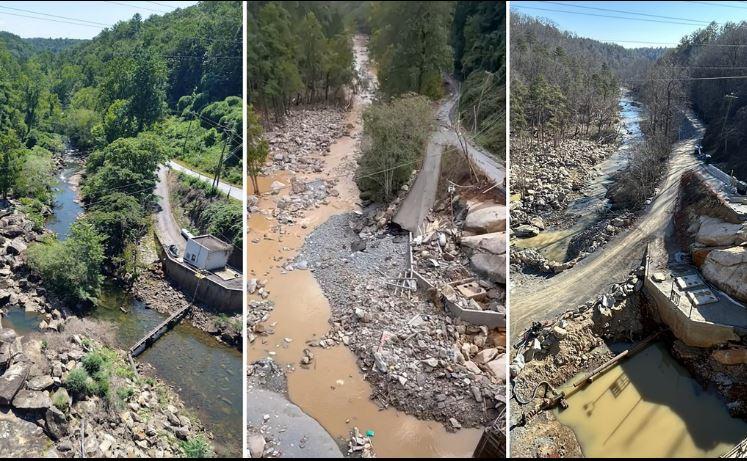
Nearly one year after Hurricane Helene swept through the mountains of East Tennessee and Western North Carolina, the landscape continues to tell a story of devastation and renewal. Communities that were once overwhelmed by the floodwaters, landslides, and destruction have spent the past year working tirelessly to heal both physically and emotionally. The anniversary brings an opportunity to pause and reflect on what has been endured, to honor the lives lost, and to celebrate the remarkable progress made in recovery. Across the region, commemorations and rebuilding efforts remind everyone of the resilience that has carried Appalachian communities forward through one of the most challenging periods in their history.
Events marking the anniversary began with gatherings like “Rise Up: Hope after Helene” in Jonesboro, Tennessee. The event created a space for remembrance and healing, where families of those lost, survivors, volunteers, and community leaders came together to reflect on the impact of the storm. Stories were shared, songs were sung, and names were spoken aloud, ensuring that those who did not survive remain part of the region’s collective memory. For many, it was the first opportunity to publicly acknowledge both the grief and the progress, combining solemn remembrance with hope for the future.
Community archives have also begun to take shape, as local news outlets invited residents to share photographs, journals, and personal stories from the days during and after Helene. These archives serve not only as historical records but also as tributes to the perseverance of mountain towns that refused to be defined by loss alone. Some of the most powerful images include children returning to newly rebuilt schools, volunteers clearing debris from waterways, and families gathering in newly repaired homes. Together, these stories and visuals create a patchwork of memory that keeps the collective spirit of recovery alive.
In terms of rebuilding, infrastructure has remained one of the most demanding challenges since the storm. Heavy rainfall from Helene destroyed or severely damaged roadways and bridges that link mountain communities to the outside world. Crews have spent months clearing landslides, stabilizing slopes, and laying down new roadbeds across precarious mountain terrain. Bridges that collapsed under raging floodwaters are being rebuilt with stronger materials and improved engineering designs intended to withstand future storms. Stream banks have been reinforced with new technologies that blend natural stabilization with modern engineering, offering both protection and environmental balance. The work is ongoing, and while major routes have reopened, smaller roads remain vulnerable, keeping crews busy as the anniversary arrives.
Homes and businesses have also demanded constant attention. For families whose houses were washed away or condemned due to flooding, the past year has been a time of immense challenge. Volunteers, faith-based groups, and non-profit organizations have played a critical role in helping residents rebuild. Modular homes, repairs to foundations, and community-driven building projects have created tangible signs of progress, though many families are still waiting for permanent housing solutions. Business owners face similar struggles, balancing the financial burden of reconstruction with the hope of drawing customers back to local stores, restaurants, and craft shops. Rebuilding commercial life has become essential not only for economic survival but also for restoring a sense of normalcy. The reopening of a small diner or the relaunch of a family-owned general store signals far more than economic activity; it represents resilience, determination, and continuity of community traditions.
The emotional and spiritual resilience of Appalachian communities has been one of the most remarkable aspects of the recovery process. Time and again, residents have stepped forward to help their neighbors. Families shared meals when food supplies were scarce, church groups organized clothing drives, and volunteers from across the country descended upon the region to lend their skills. This unity has become a cornerstone of recovery, reminding everyone that even in the face of massive destruction, solidarity remains the greatest resource. Children painted murals on rebuilt school walls, farmers gathered to share resources, and local musicians held benefit concerts. These small but meaningful gestures highlight the extraordinary ability of communities to not only survive hardship but to grow stronger in its wake.
The lasting impact of Hurricane Helene remains clear. For many residents, the sound of rushing water still triggers anxiety, and the sight of scarred hillsides serves as a constant reminder of nature’s power. Some areas remain difficult to access due to ongoing reconstruction, and not every family has returned home. Trails once beloved by hikers and locals alike are still undergoing work to restore pathways and create a more resilient network for future generations. The phrase “work continues to reconnect and build a more resilient Trail” has become a rallying cry for outdoor enthusiasts and environmental groups who view the restoration of natural spaces as vital to the region’s identity and economic health.
One year later, the balance between what has been accomplished and what remains undone defines life across East Tennessee and Western North Carolina. Progress has been undeniable: roads reopened, schools repaired, families reunited under repaired roofs. At the same time, the sheer scope of recovery underscores the storm’s lingering presence. Engineers warn that more slope stabilization is required to prevent future landslides, and local leaders continue to seek federal and state funds for long-term rebuilding projects. The journey forward requires patience, investment, and continued cooperation among government agencies, non-profit organizations, and ordinary citizens.
This anniversary season is therefore less about closure and more about reaffirming commitment. Commemoration events honor lives lost and celebrate milestones, but they also remind residents and leaders alike that recovery is a marathon. The Appalachian spirit, shaped by centuries of enduring hardship, shines through once again. Faith communities gather to pray for protection, local officials press for greater resources, and neighbors remain ready to help one another in practical and emotional ways. That enduring unity is the most powerful legacy of Helene’s aftermath.
As the region moves forward, stories of courage and resilience continue to inspire. A retired teacher in western North Carolina who rebuilt her family home with the help of neighbors has turned her experience into a book project. A group of teenagers from East Tennessee who organized a year-long fundraiser to support displaced families are being honored at a local festival. Volunteer fire departments across the region have received new equipment, often donated through national relief efforts, providing greater security for the next emergency. These personal and communal stories illustrate that while scars remain, renewal is already flourishing.
Nearly a year after Helene, Appalachia is neither defeated nor defined solely by destruction. The recovery process demonstrates the power of resilience, the strength of community, and the unwavering determination to rise from tragedy stronger than before. The anniversary serves as markers of both remembrance and progress, blending sorrow for what was lost with pride in what has been rebuilt. The mountains of East Tennessee and Western North Carolina continue to echo with songs of survival and renewal, carrying forward the spirit of people who refuse to yield. Recovery continues, progress remains visible, and hope endures in every repaired bridge, every reopened business, and every gathering of neighbors who have chosen unity over despair.
Check out the upcoming book from Hot Springs, North Carolina, created to help raise funds for the community’s rebuilding efforts. It will be released in just a few weeks—stay tuned for its launch!
“On the one-year anniversary of Hurricane Helene, the community of Hot Springs is releasing a book unlike any other: Through Our Eyes: A Community’s Photographic Memory of Hurricane Helene. More than a traditional photo book, it is the collective story of a town battered by floodwaters, yet bound together by resilience, memory and hope.
The book was created through an open call for photographs, stories and oral histories from residents who lived through the storm and its aftermath. Hundreds of submissions poured in—from first responders and neighbors who helped pull families from danger- to snapshots of the rebuilding process that continues today. The result is a vivid, community-published record. A book built by Hot Springs, for Hot Springs, and one that resonates far beyond the mountains, offering a rare, ground-level view of how a community isolated by disaster turned inward-and to each other-to survive.
Featuring over 200 curated images contributed by more than 45 community members, along with oral histories from those who helped lead the response in the days after the storm, the full-color book will be available at launch in both hardcover and paperback editions.
“This project is about more than remembering a storm,” said local Hot Springs community organizer Kevin Reese. “It’s about honoring the people who carried each other through it, and ensuring that the story is preserved for generations to come.” Link below so that you can save this and keep an eye open for the book.
-Tim Carmichael
 Echoes of Appalachia
Leave a comment