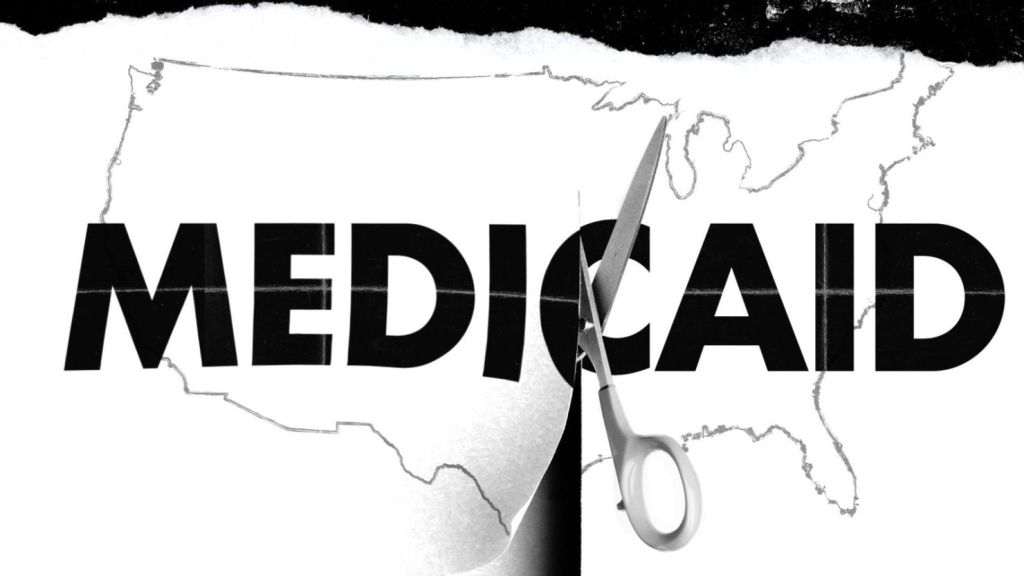
Kentucky’s 2014 expansion of Medicaid under the Affordable Care Act delivered tangible improvements in healthcare access and treatment options across some of the nation’s most economically challenged Appalachian counties. Expansion drove broader insurance coverage, augmented access to substance use interventions, bolstered rural clinics and hospitals, and supported thriving recovery services. Current proposed funding reductions, however, threaten these gains and raise alarm that vulnerable communities may endure disproportionate impacts.
Expansion with Impact: Strengthening Health and Recovery in Appalachia
Expansion of Medicaid eligibility in 2014 transformed access to care across Eastern Kentucky. Counties among the nation’s poorest benefitted from expanded coverage enabling low income adults to receive much needed health services, including evidence based treatments for substance use disorders. Over $800 million in federal funding underpinned provision of medications for opioid use disorder, distribution of naloxone, counseling, harm reduction programs and community based outreach, largely credited with declines in overdose deaths and stabilization of fragile recovery networks. Those improvements were especially meaningful in Appalachian areas where overdose mortality remained stubbornly high. The expanded access facilitated renewed hope, job reintegration, and public health momentum in a region long grappling with systemic deprivation and isolation. Benefit extended beyond clinical outcomes as communities gained economic resilience as providers expanded operations and treatment centers opened to meet demand.
Rural Providers and Hospitals: Lifelines Supported by Medicaid
Rural Appalachian providers relied heavily on Medicaid expansion to stabilize finances and preserve critical services. Hospitals and clinics that served as essential lifelines in isolated regions saw improved operating margins, enabling retention of staff, expansion of behavioral health offerings, and maintenance of emergency care. A comprehensive review found expansion correlated with revenue growth for rural hospitals, fueling sustained operations where alternatives would be sparse. Medicaid also encouraged providers, particularly dentists, to establish practices in previously underserved rural settings. Across Kentucky’s Appalachian belt, these developments translated directly into improved access to preventive care, dental services, treatment for chronic illnesses, and timely interventions.
Federal Funding Cuts: A Looming Rollback of Progress
Current legislative proposals now imperil health gains in Appalachian Kentucky. The so called “Big Beautiful Bill” aims to slash roughly $1 trillion from Medicaid over the coming decade, potentially triggering work requirements, stricter income verifications, and dismantling of provider support mechanisms. Experts warn that rural hospitals, already operating under tight margins, face closure. Kentucky alone may lose over $12 billion, threatening roughly 35 rural hospitals and jeopardizing maternity care and emergency services.
Providers in Eastern Kentucky express rare alarm. Long time nurses report unprecedented concern as clinics brace for financial collapse and diminished capacity. Recovery programs that rely on Medicaid backed services fear disruption. Harlan County, where nearly half the residents depend on Medicaid and opioid recovery remains fragile, stands as a vivid example; sustaining treatment services here has become a matter of life or death.
Disproportionate Risks for Appalachian Communities
Cuts would blunt Medicaid’s reach where public health needs are greatest. Appalachian counties carried out measurable reductions in overdose mortality through harm reduction strategies and accessible treatment. Expansion nourished those efforts with stable reimbursement and infrastructure support. Removing that lifeline risks reversing years of recovery, returning communities into cycles of overdose and despair. Funding reductions could shutter treatment sites, restrict access to medications, and unravel trust earned by providers. Expansion fostered not only clinical gains but cultural shifts toward care seeking and stabilization. Regression would be steep and sudden.
Economic and Social Ripple Effects Across Appalachia
Health gains under Medicaid supported broader economic vitality. Hospital revenues, clinic operations, and provider investments generated local employment and hygiene of community services. With Medicaid cuts looming, those economic anchors face collapse. Job losses among healthcare workers, evaporation of community clinics, and health deserts that could stretch dozens of miles become real possibilities. That scenario compounds the region’s existing struggles with poverty, workforce decline, and geographic isolation.
Appalachian Kentucky’s recovery strategies extended into families and backyards. Parents stabilized by treatment program access maintained employment. Children benefited from early interventions. The region’s fragile rebound in health, work, and family well being now stands at a crossroads.
What’s at Stake
Expansion gifted Appalachian Kentuckians with access, hope, health, and economic opportunity. Those advances arrived where traditional safety nets had failed, delivering mental health support, overdose prevention, chronic care access, maternal services, and dental clinics into rural counties once considered neglected. Medicaid expansion allowed recovery programs to flourish, empowered hospitals to survive, and brought dignity back into the daily lives of residents.
Now, proposed cuts threaten cascading reversals such as loss of coverage, closures of clinics, interrupted treatment, and surging uninsurance. Appalachia risks becoming a national symbol of rollback, where policy reversals devastate communities left behind by prosperity elsewhere.
Charting the Path Forward
Safeguarding gains requires advocacy, awareness, and policymaker responsiveness. Arguments grounded in public health data, hospital survival analysis, and stories from recovery survivors can build momentum to resist harmful reductions. Coalitions of providers, families, local governments, and advocates can amplify the message: scaling back Medicaid in Appalachia delivers a blow not only to individuals but to the soul of entire communities. Preserving recovery progress demands tangible commitments such as preventing budget reductions, avoiding punitive eligibility constraints, maintaining grants for substance use and mental health services, and preserving funding for rural facilities.
Closing Reflection
Appalachian Kentucky’s Medicaid expansion marked a turning point, healthcare access made possible for communities left behind, addiction interventions building a path toward recovery, and rural providers sustained. That transformation unfolded one family, clinic, and hospital at a time. Proposed federal cuts stand poised to dismantle those hard won gains in months. In that sense, cuts will deliver an outsized blow, disproportionate in impact, catastrophic in scale, and unjust in intent. Upholding Medicaid in Appalachia does more than protect access, it preserves the fragile promise of health, healing, and hope.
-Tim Carmichael
 Echoes of Appalachia
Leave a comment