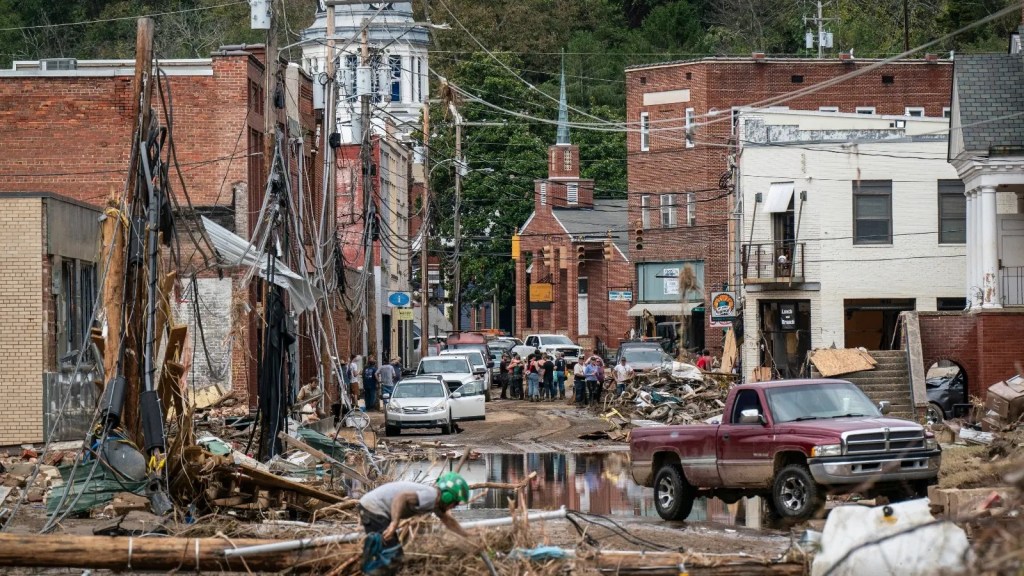
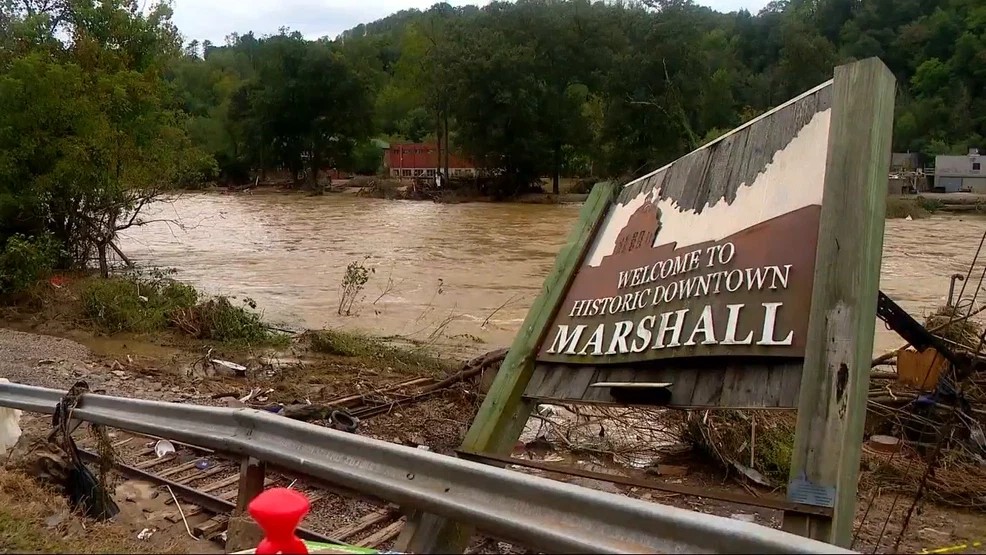
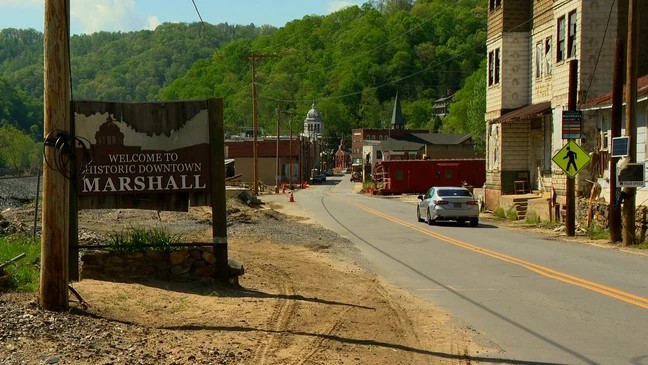
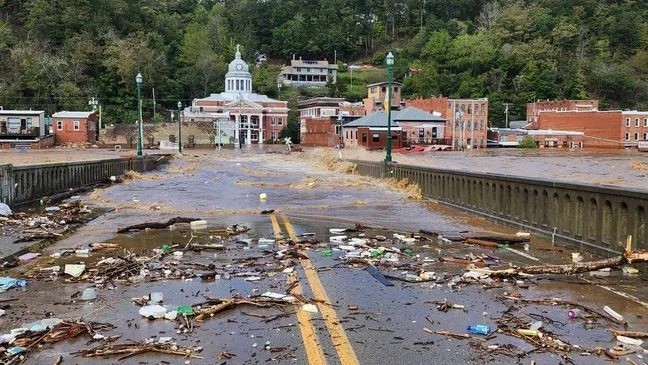
Almost a year has passed since Hurricane Helene tore through the southeastern United States in September 2024, leaving widespread destruction across multiple states and particularly devastating the communities of the Appalachian Mountains. While much of the nation has moved forward from the storm’s initial impact, recovery in the rugged mountain region remains a slow and arduous process. From damaged infrastructure and lingering environmental harm to the deep emotional scars within small towns, the work of healing and rebuilding Appalachia continues into late summer 2025.
The hurricane’s impact was unique in its geographic reach. Unlike storms that typically wreak havoc along the coast, Helene’s force cut inland, lashing the mountain valleys with high winds, torrential rains, and catastrophic flooding. Narrow roads and isolated communities magnified the disaster’s toll, leaving some towns cut off for days or even weeks. Today, signs of progress are visible, but the long journey toward restoration highlights both the resilience of Appalachian communities and the scale of the challenges they face.
Federal and state funding has been central to these efforts. In August 2025, Tennessee announced more than $4 million in grants designed to help companies in Unicoi County retain and retrain employees whose jobs were disrupted by Helene’s destruction. Many small businesses in the region lost both facilities and revenue, and the grants provide crucial support for long term economic recovery. Meanwhile, North Carolina has secured significant additional funding: $96 million in FEMA allocations for road repairs and specific infrastructure projects. The state’s legislature also passed the Disaster Recovery Act of 2025, appropriating nearly $576 million in recovery aid, a sweeping measure intended to address both short term needs and the larger rebuilding process. These initiatives reflect recognition of how deeply the storm scarred Appalachian economies, which often already faced limited resources.
Transportation, always a challenge in the mountainous region, has been a major focus of reconstruction. Roads serve as lifelines in Appalachia, connecting rural communities to hospitals, schools, and markets. When Helene hit, landslides, flooding, and washouts severed dozens of critical routes. Nearly a year later, progress has been made, though obstacles remain. Interstate 40, one of the most vital east west arteries through the mountains, was heavily damaged during the storm and remained partially closed for months. Its reopening in March 2025, albeit with narrow lanes, marked a symbolic milestone in the recovery process. Rail lines are also being rebuilt. CSX, one of the region’s key freight carriers, began relaying tracks on its Blue Ridge Subdivision in August 2025. The company aims for a fall reopening, a step that would restore critical freight capacity between Tennessee and North Carolina.
Despite these successes, dozens of roads remain impassable. In North Carolina alone, more than 1,400 state roads have been repaired, but 37 are still closed, cutting off pockets of residents from full access to the region. Local leaders emphasize that while major highways capture the most attention, smaller backroads often determine whether families can get to work, farmers can move their crops, or emergency responders can reach those in need. For those in the most isolated hollows, even a single bridge washed out by Helene continues to define daily life.
The storm’s impact on natural landscapes has been equally profound, and the recovery of national parks remains a long term endeavor. Appalachia’s natural beauty, from the misty ridges of the Great Smoky Mountains to the deep valleys carved by rivers, draws millions of visitors each year. That tourism revenue is a crucial pillar of the local economy. In the wake of Helene, however, many beloved sites remain scarred. The National Park Service has focused on stabilizing roads, re graveling routes, and repairing erosion damage in high traffic areas such as Cataloochee Valley. Portions of the Appalachian National Historic Trail have reopened, but hikers still encounter downed trees, rutted paths, and signs of landslides. Park officials caution that full restoration will take years, and in some remote backcountry areas, the trails may never fully return to their pre storm conditions.
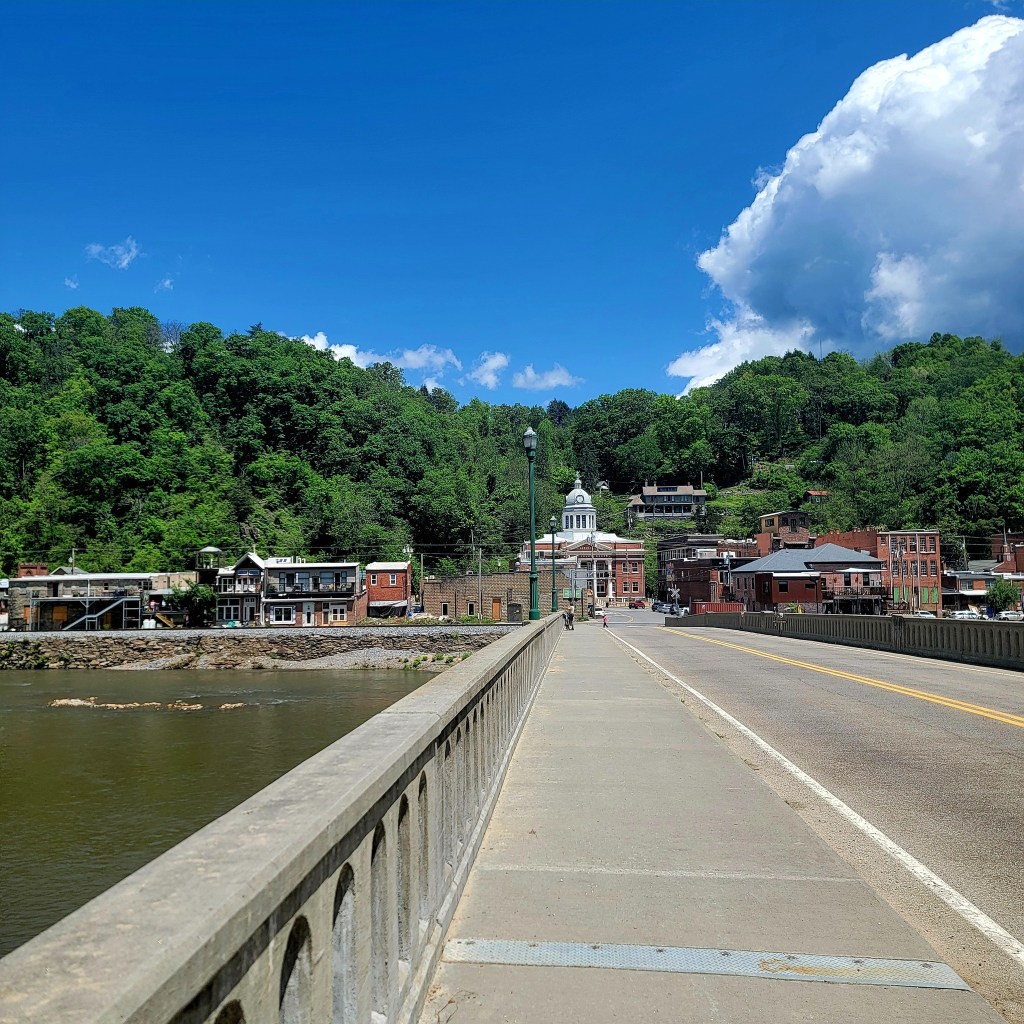
Helene’s environmental toll has also become increasingly apparent over the past year. In July 2025, Southern Appalachian rivers were officially designated the third most endangered waterways in the United States, a ranking directly tied to the hurricane’s destruction. Catastrophic flooding deposited massive amounts of sediment, worsened longstanding pollution issues, and reshaped riverbanks. Cleanup operations have already removed millions of cubic yards of debris from Tennessee waterways, a monumental undertaking that has restored some flow and reduced immediate hazards. Yet not all debris can or should be removed. Logs and rocks swept into rivers provide natural habitat for aquatic life, and balancing ecological health with human safety remains a delicate challenge.
Wildlife populations have felt the consequences as well. The eastern hellbender, a rare aquatic salamander already struggling with habitat decline, has seen its populations placed under renewed stress by Helene’s flooding. Conservation groups are actively monitoring the species, conducting surveys and water quality testing in hopes of understanding the storm’s long term effects. In North Carolina, the Environmental Protection Agency has taken on a large role in monitoring and managing hazardous waste left behind by the storm. Their work includes testing water systems, removing contaminated debris, and ensuring that residents in small communities have access to safe drinking water.
Forests across the Appalachian range are also still suffering. Fallen trees and destabilized slopes have dramatically increased the risk of wildfires and landslides, both serious hazards in mountainous terrain. Landslide prone areas in western North Carolina, already vulnerable due to steep slopes and heavy rainfall, now face even greater risk. Debris removal has helped in some areas, but the process has been contentious. Critics argue that federal contractors have sometimes gone too far, removing natural habitat features that posed no immediate danger but played important ecological roles. Environmental advocates warn that decisions made in the haste of cleanup could have repercussions for forest health lasting decades.
While infrastructure and environmental work dominate much of the official response, the lived experience of recovery in Appalachian communities tells a more personal story. For many, the storm’s aftermath has been a test not just of resources, but of spirit. Local organizations and volunteer groups have filled critical gaps in aid, mobilizing to distribute food, rebuild homes, and provide counseling. Church congregations, neighborhood associations, and grassroots nonprofits have become lifelines, especially in areas that feel overlooked by the federal distribution of aid. These local networks exemplify the communal bonds that define Appalachia, yet they also highlight how fragile recovery can be when entire towns depend on donations and volunteer labor.
The emotional weight of the disaster remains heavy. For residents who lost family members, homes, or livelihoods, recovery is not just about replacing what was lost but also about processing trauma. Many speak of Helene as a before and after moment in their lives, a line dividing stability from uncertainty. Stories circulate of families who, after losing their homes, moved into campers or temporary trailers, waiting for rebuilding funds that have yet to materialize. At the same time, stories of resilience are abundant. Neighbors have come together to rebuild barns, clear debris, and provide childcare. Teachers have turned schools into makeshift shelters during emergencies. Even as grief lingers, a shared sense of perseverance has become a cornerstone of Appalachian recovery.
Still, significant challenges remain as the one-year anniversary of Helene approaches. Funding gaps persist, particularly for small towns that lack political leverage. Many residents worry that as national attention drifts elsewhere, the pace of recovery will slow, and some communities will be left behind. Environmental restoration is a generational project, not just a one-year endeavor, and the economic ripples from business losses continue to spread. For Appalachia, a region that has long battled structural poverty and geographic isolation, Helene represents not only a natural disaster but also a reminder of deep-rooted vulnerabilities.
Yet despite the daunting obstacles, the people of Appalachia continue to demonstrate determination. The reopening of roads, the return of hikers to parts of the Appalachian Trail, the sight of freight trains soon to cross repaired tracks, all are small victories stitched together into a larger narrative of recovery. Government funding and outside support remain vital, but it is the resilience of communities themselves that ultimately defines the region’s path forward. In the valleys and on the ridges where Helene once unleashed chaos, the work of rebuilding continues, powered by the grit and spirit that have long sustained Appalachia.
As fall approaches in 2025, the scars of Hurricane Helene are still visible, but so too are the signs of renewal. The storm reshaped landscapes, disrupted lives, and tested communities. Yet it also revealed an enduring truth: that even in the face of devastation, Appalachia carries within it a strength rooted in shared struggle and collective care. The road to full recovery is long, perhaps stretching years into the future, but the determination to rebuild remains unshaken. Nearly a year after Helene, the story of Appalachia is not only one of loss, but also of resilience, recovery, and hope.
-Tim Carmichael
 Echoes of Appalachia
Leave a comment