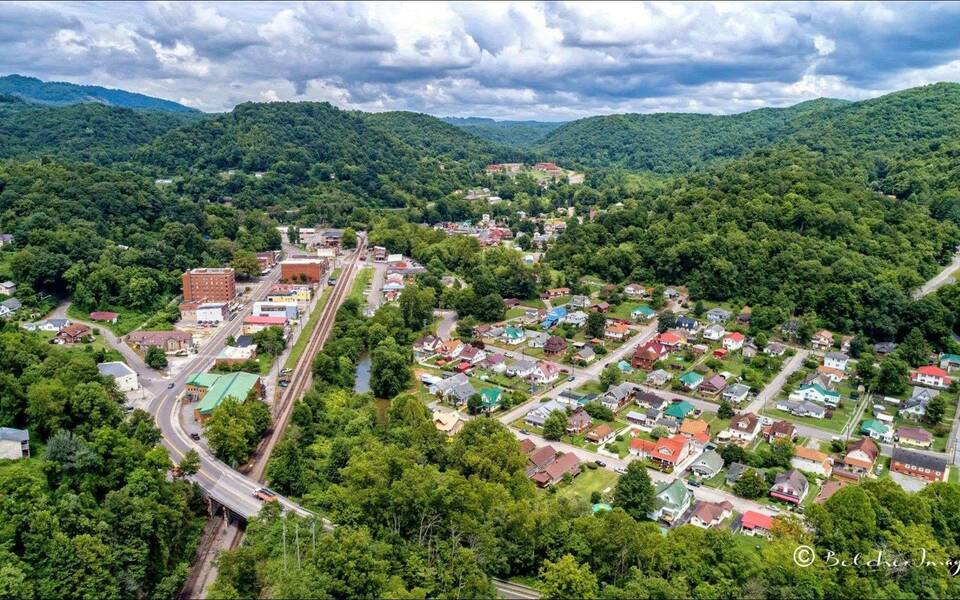
The Appalachian Regional Commission will continue its work across 13 states after Congress restored its full funding. The agency had faced a proposal to eliminate nearly all of its budget. Now, rural communities across the Appalachian region can continue to move forward with projects that improve infrastructure, develop the workforce, and support local economies.
The ARC was established in 1965 under President Lyndon B Johnson to address persistent poverty and economic challenges across the Appalachian region. The agency works with state and local governments to provide funding for projects that match the needs of each community. Over the years, the ARC has helped bring clean water, broadband internet, job training, and health resources to places where few other federal programs reach.
A recent budget proposal from the Trump administration had suggested cutting 93 percent of ARC funding. The proposal raised concerns among leaders throughout the region who rely on the commission to improve living standards and economic opportunity. Those leaders pushed back, and Congress responded.
What ARC Does for the Region
The ARC supports a wide range of work in rural communities. This includes building roads, upgrading water and wastewater systems, expanding internet access, and training workers for industries such as healthcare, manufacturing, and technology.
In recent years, broadband has become a top priority. Many counties in the Appalachian region continue to live without access to reliable high-speed internet. That lack of connectivity affects students, businesses, and families who need online access for education, telehealth, and remote work. ARC investments have helped bring fiber lines and wireless networks to areas where private companies have no financial incentive to build.
In addition to broadband, the ARC helps communities address long-standing infrastructure problems. Water systems in many towns are decades old and in need of repair. With ARC grants, those systems can be updated to ensure safe drinking water and reliable sanitation. These changes help protect public health and also attract employers who need dependable infrastructure to invest in a location.
Workforce development is another essential part of the ARC’s role. As coal employment has declined, many workers have turned to new career paths. ARC-funded programs help those individuals gain skills in construction, welding, solar installation, and other trades that offer long-term stability. In many cases, people are able to remain in their hometowns and build new careers rather than relocating.
Lawmakers Step In to Protect Funding
Congressional Democrats, (yes you read that right) led the charge to restore funding for the ARC. After the proposed cuts were announced, many lawmakers traveled to the region to hear from local leaders and residents. They brought those stories back to Washington and made the case that eliminating the commission would harm families, workers, and local governments that depend on its support.
Although lawmakers from both parties eventually supported the restored funding, Democratic leadership played a major role in securing the outcome. They argued that the ARC has a track record of delivering results and deserves continued investment.
The decision to maintain ARC funding at current levels means that essential programs will continue without disruption. The commission will remain in place with the capacity to respond to new needs and challenges across the region.
Real Impact on Real Communities
The ARC supports programs that lead to lasting improvements in people’s daily lives. In Kentucky, a young mother now attends nursing school because of an ARC-supported training program. In Alabama, a town that once relied on a single factory is developing a small business incubator to create new jobs. In West Virginia, a former coal miner found a second career installing solar panels through a program funded by the ARC.
These outcomes happen quietly, but they change lives. The agency supports solutions developed by local leaders who understand their communities best. That local control makes projects more effective and more likely to succeed.
Communities across Appalachia have used ARC grants to prepare for the future. Some are investing in tourism to draw visitors to the mountains and forests. Others are building industrial parks to attract new manufacturers. Many are upgrading schools and libraries to support the next generation of workers.
Looking Ahead with Renewed Support
With its full budget restored, the ARC can continue to fund projects that expand opportunity and improve quality of life. Broadband remains a central focus. So do infrastructure upgrades, healthcare access, business development, and education. The commission has already identified new priorities that reflect the evolving needs of the region.
Officials say the ARC is also making it easier for smaller towns to apply for grants. Many local governments lack staff or expertise to compete for funding. By offering technical assistance and support, the ARC ensures that even the most rural places have a chance to receive investment.
The commission also continues to support programs that help communities transition away from coal. These efforts include retraining workers, diversifying economies, and attracting industries that are less vulnerable to global market shifts.
A Long-Term Commitment to the Region
The Appalachian region faces many challenges, but it also holds incredible promise. With the support of the ARC, communities can build the foundation for growth that respects local identity while embracing new ideas. Leaders across the region say that restoring the commission’s funding is more than a financial decision. It shows a commitment to the people who live there.
The ARC stands as an example of how federal and local governments can work together to solve problems. It avoids one-size-fits-all solutions and instead listens to communities. It backs up that listening with funding and support that help those communities take action.
With its future secured, the Appalachian Regional Commission can continue to serve as a partner in progress. Residents, officials, and advocates now have the tools to keep building a stronger and more connected Appalachia.
-Tim Carmichael
 Echoes of Appalachia
Leave a comment