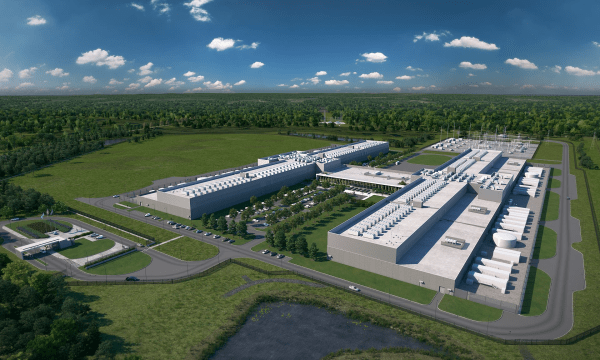
In a sweeping victory driven by determined grassroots organizing, residents of Pittsylvania County, Virginia, have successfully blocked Balico LLC’s proposal to build what would have been Virginia’s largest natural gas power plant at 3,500 megawatts alongside a hyperscale data center campus spanning 750 to 2,200 acres. Their resistance highlights deep concerns over air pollution, health risks, environmental degradation, and a loss of rural character. Over many tense months, the community’s relentless advocacy led the county planning commission and eventually the board of supervisors to reject Balico’s rezoning requests.
Balico initially filed an application in October 2024 to rezone about 2,200 acres of agricultural land near Chatham for a campus of as many as 84 warehouse sized data centers and an adjacent gas plant to power them. Public backlash led the company to withdraw that first application in early November and return with a reduced proposal in November and January. That revised plan shrank the footprint to 763 acres with just 12 data center buildings, but the 3,500 megawatt gas generator component remained the same.
Residents seized on that second application as evidence that Balico was using delay and ambiguity as tactics. Their frustration centered on how the company repeatedly postponed public hearings, failed to disclose key project details such as final job numbers, water use, pollution levels, and showed inconsistent information on site layout and potential impacts.
Air quality formed the core of the community’s concerns. With assistance from environmental law experts and public health researchers, residents drew on a report estimating the proposed gas plant would emit over 326 tons of fine particulate matter annually. These pollutants are linked to heart attacks, strokes, cancer, pneumonia, and other serious illnesses. The study projected that more than 17,500 Pittsylvania residents could face high exposure levels, with health-related costs exceeding 31 million dollars annually and potentially reaching nearly 625 million by 2040.
The massive water usage was another flashpoint. Each of the proposed data centers would require up to 500,000 gallons per day for cooling, tapping into local water supplies without clear oversight or long-term planning. Beyond that, residents and county leaders cited noise, light pollution, heavy traffic, and an industrial footprint that clashed with the area’s rural and agricultural identity.
Public testimonies were intense and emotional. At meetings held at Chatham High School, hundreds gathered to voice opposition, with yard signs reading “No Power Plants, No Data Centers in Rural Neighborhoods” and crowds overflowing planned venues. Locals described hours-long hearings with packed audiences pleading for the protection of air quality and rural life. One resident stated that no number of filters or offsets would undo the inevitable impact on air quality. Others described fears of irreversible damage to their land, health, and future.
Community leaders like Lexi Shelhorse, whose family has farmed the land for generations, spoke passionately about preserving the region’s heritage and character. She described the project as a threat not just to the environment, but to the cultural and generational legacy of the county. She and others feared that if this development were allowed to proceed, it would pave the way for a wave of unwanted industrialization.
In January 2025 the county planning commission unanimously recommended denying the rezoning, citing incomplete information, lack of transparency, and insufficient community benefits from Balico. Over the next few months, Balico requested multiple postponements of the final hearing and eventually tried to withdraw the application entirely in April. But the board voted to deny that withdrawal, choosing instead to hold a full public hearing and issue a final decision.
On April 15, 2025 the Board of Supervisors voted six to one against the rezoning, officially halting the proposal and preventing Balico from submitting a similar application for at least twelve months. Chairman Robert Tucker explained that the project failed to align with the county’s comprehensive plan, lacked community support, offered few clear local benefits, and suffered from too much ambiguity. He said the community had spoken loud and clear, and the board was listening.
As the vote was announced, residents erupted in applause and cheers, celebrating what many saw as a historic win for the community. After months of meetings, organizing, door knocking, research, and public comment, the community had stopped one of the largest gas-powered data center proposals in the country.
Balico still holds option rights on the land and has stated they are exploring alternative projects such as residential developments. They have not ruled out revisiting the data center and gas plant concept after the mandatory one-year pause expires. That uncertainty continues to motivate residents to stay engaged and vigilant.
For now, though, the community is focused on celebrating and reflecting. The residents of Pittsylvania County showed that even in the face of a well-funded corporate developer, a rural community with strong values and a commitment to health and sustainability can prevail. Organizers say this victory proves the importance of early engagement in local planning and zoning processes and the need for citizens to be informed and vocal when outside interests seek to reshape their communities.
While the fight may not be over, residents feel empowered by what they achieved. As one speaker said during the final public hearing, “We’re not against growth. We’re against being sacrificed for it.” That sentiment echoes across the county, a reminder that local voices still matter, and can make all the difference.
-Tim Carmichael
 Echoes of Appalachia
Leave a comment