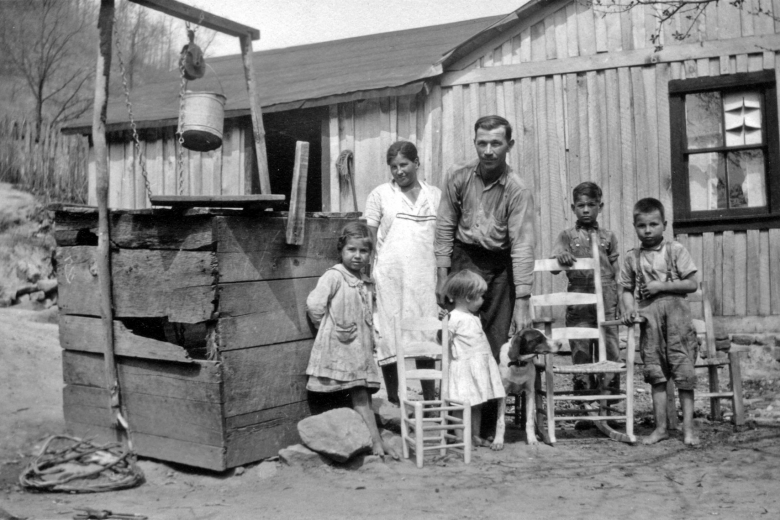
In Appalachia, folks don’t ask for much. A roof over their heads, enough food on the table, and maybe a few extra dollars at the end of the month to keep the heat on when winter bites down hard. These are the same people who lined up at small-town polling places, many of them casting their ballots for Donald Trump not just once, but twice. They believed him when he said he’d look out for the forgotten men and women of America. They believed him when he promised to bring back coal, fix the economy, and take care of those left behind. But now, with each passing day, that belief is starting to crumble.
You don’t have to look far to see why. Talk to the older folks in these parts—people who worked forty, fifty years in sawmills, coal mines, textile factories. They lean on Social Security to survive. Their healthcare comes through Medicare. And a good number of families in the region—especially since the jobs left—depend on SNAP benefits just to feed their kids. These programs aren’t luxuries here. They’re lifelines. And now, they’re under threat.
Trump recently floated the idea of cutting Social Security and Medicare as a way to “save the economy.” Cuts that would leave many of his own supporters with nothing but worry and empty pockets. For years he said he’d never touch Social Security. That it was safe with him. But talk is cheap, especially when the cameras are off.
Then there’s Medicaid. For thousands in the region, especially in rural counties where doctors are scarce and hospitals are closing, Medicaid is the only way they can afford a doctor’s visit or life-saving medication. During the pandemic, Trump bragged about expanding access to care. But now, he’s backing policies that gut Medicaid under the guise of “fiscal responsibility.” If that’s not betrayal, I don’t know what is.
Let’s talk about Hurricane Helene. When the floodwaters came roaring through places like Madison County, North Carolina, and small towns in East Tennessee, it didn’t matter who you voted for. People were trapped, homes were swept away, roads were destroyed. Churches opened their doors. Neighbors fed neighbors. But when it came to federal help, many were left waiting.
Trump stood at a podium, promising aid and relief, saying the government would stand by the victims. But now, reports show he’s cutting FEMA funding. The very agency tasked with helping communities recover from disasters like Helene is being asked to do more with less. Where is the help now, when people are still living in campers or with relatives because their homes are uninhabitable? Where’s the follow-through on all those promises?
It’s not just about funding. It’s about trust. When you tell a community you’ve got their back, and then you turn your back on them, that’s more than political betrayal. That’s personal.
And still, many folks defend him. They say, “He’s better than the alternative,” or “At least he talks to us.” But talking ain’t doing. And for every promise he made—better healthcare, jobs returning, small towns thriving again—there’s a growing list of promises broken.
Remember when he said coal was coming back? He stood in front of miners and said, “You’re going to be working your asses off.” But the mines didn’t reopen. The ones that were still running kept laying off. And the towns built around them kept dying. Automation, market changes, and energy shifts didn’t slow down just because Trump said they would. And the people here, who’ve already been kicked in the teeth for decades, were left with little more than a red hat and a fading hope.
The opioid crisis? He said he’d fight it. That he’d pour resources into treatment and prevention. But overdose deaths continued to climb, and funding for rural treatment programs was inconsistent at best or cut. Appalachia, which once prided itself on strong families and self-reliance, is now fighting to save its next generation from addiction. And they’re doing it with fewer resources than they need.
Now, folks are starting to whisper things they wouldn’t have said aloud four years ago. They’re scared. Not just of losing benefits, but of realizing they were sold a dream that was never meant to come true. Of waking up and seeing the man they thought was on their side is siding with corporations, billionaires, and political cronies instead.
At the corner diner, in gas stations, and on church steps, you’ll hear it: “I don’t know anymore.” It’s the sound of doubt creeping in, slow and uncomfortable. It’s not loud yet, but it’s there. A shift. A hesitation.
What will it take for folks to open their eyes?
Maybe it’ll be when their medicine isn’t covered anymore. When a parent with diabetes is forced to ration insulin because Medicare no longer foots the bill. Maybe it’ll be when FEMA trucks don’t roll into town after the next flood, or when food stamps get slashed and a single mother can’t feed her babies. Maybe it’ll be when the promises finally stop altogether, and all that’s left is the damage.
But how much hurt does it take before people admit they were wrong?
That’s the question echoing through the mountains now. It’s a hard one, because admitting you were wrong means you trusted someone who didn’t deserve it. It means facing the shame of being fooled. And for proud people, that’s a tough pill to swallow.
But pride won’t keep the lights on. And loyalty won’t fill a pantry. At some point, reality knocks harder than the lie.
We need leaders who don’t just fly in for photo ops, who don’t toss paper towels into crowds or hand out platitudes. We need folks in office who understand the daily grind of rural life, who know that Appalachia isn’t a backdrop for political theater—it’s home to millions of people who work hard, love deep, and deserve better than empty promises.
So, what now? Do we keep waiting? Do we keep hoping someone in Washington will remember the people who fed this country, who mined its coal, built its railroads, and fought in its wars? Or do we start asking harder questions of those we’ve put our faith in?
Because here’s the truth: if you voted for Trump thinking he’d save your town, your job, your family—then it’s time to take a long look at what’s really changed. Not the words. The actions.
This isn’t about left or right anymore. It’s about right and wrong. And somewhere along the way, a line got crossed.
The folks of Appalachia are some of the most loyal, forgiving, and determined people you’ll ever meet. But even they have their limits.
And maybe, just maybe, that limit is finally in sight.
-Tim Carmichael


 Echoes of Appalachia
Leave a comment