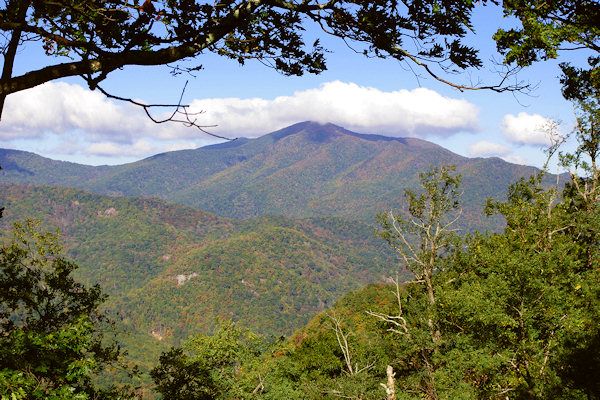
Before Cold Mountain was known to the world through literature and film, it was home to those who faced the mountain’s challenges and carved a life out of its steep slopes, dense forests, and harsh winters. These early settlers, primarily Scots-Irish immigrants, arrived in the late 1700s, seeking land and a chance to build a life, though they found themselves in a landscape that was anything but forgiving.
For these pioneers, Cold Mountain presented both an opportunity and a daunting challenge. The mountain was remote, and getting there was no simple task. Few roads wound through the dense woods, and the treacherous terrain made travel slow and dangerous. For most of the year, the weather made the mountain almost inaccessible, and many families would go months without seeing another soul outside their immediate circle. Cold Mountain wasn’t an easy place to settle, but for those who made it their home, it offered the promise of freedom and self-sufficiency.
Life on Cold Mountain was a constant struggle against nature’s harshness. Farming wasn’t easy—many of the slopes were steep and difficult to work, but the settlers grew what they could: corn, beans, and potatoes. The cold mountain air and the limited growing season made every harvest an important one. Hunting and fishing became vital to the settlers’ survival, and the forests provided not only food but timber for building homes and fuel for the fire. As tough as life was, the settlers were resourceful, finding ways to make do with what they had.
The settlers of Cold Mountain were also skilled in using the land’s natural resources for medicine. Herbs, roots, and plants like ginseng were gathered and used to treat illness and injuries. These plants were often traded or sold in nearby towns, providing some income. The settlers’ knowledge of the plants around them became a lifeline, passed down through generations, a testament to their ability to adapt to their surroundings.
With few neighbors and limited contact with the outside world, the settlers relied heavily on each other. They helped each other build homes, raise barns, and hunt for food. The isolation bred a strong sense of community and self-reliance, as the settlers knew they could depend on one another when needed. There was no town sheriff or lawman to enforce rules, so they created their own systems of order, governed by respect and a shared understanding of survival.
The winters on Cold Mountain were unforgiving. Snow could blanket the ground for months, and the cold could freeze the pipes in their homes, leaving families with little more than the warmth of the hearth to see them through. Yet even in the face of these harsh conditions, the settlers pushed on, making sure their homes were stocked with firewood, food, and whatever else they could gather before the snow began to fall.
Despite the grueling challenges, these settlers persevered, building lives on the high slopes of Cold Mountain. They raised families, worked the land, and passed down their knowledge to the next generation. They lived with a deep sense of pride, knowing that every meal, every house they built, and every day they survived was their own doing.
Their legacy lives on, not just in the places they built and the stories they passed down, but in the descendants who still live in the hills surrounding Cold Mountain. Though many of the old ways have faded with time, the spirit of those early settlers remains a part of the Appalachian culture, a reminder of the strength, determination, and hard work that defined the people of Cold Mountain.
The story of Cold Mountain’s early settlers is one of resilience in the face of adversity. They didn’t just survive—they made a life, turning a rugged and often inhospitable mountain into a home. The hardships they endured, the work they put in, and the tight-knit communities they formed shaped not only the history of Cold Mountain but the character of the people who lived there for generations
-Tim Carmichael
.
 Echoes of Appalachia
Leave a comment