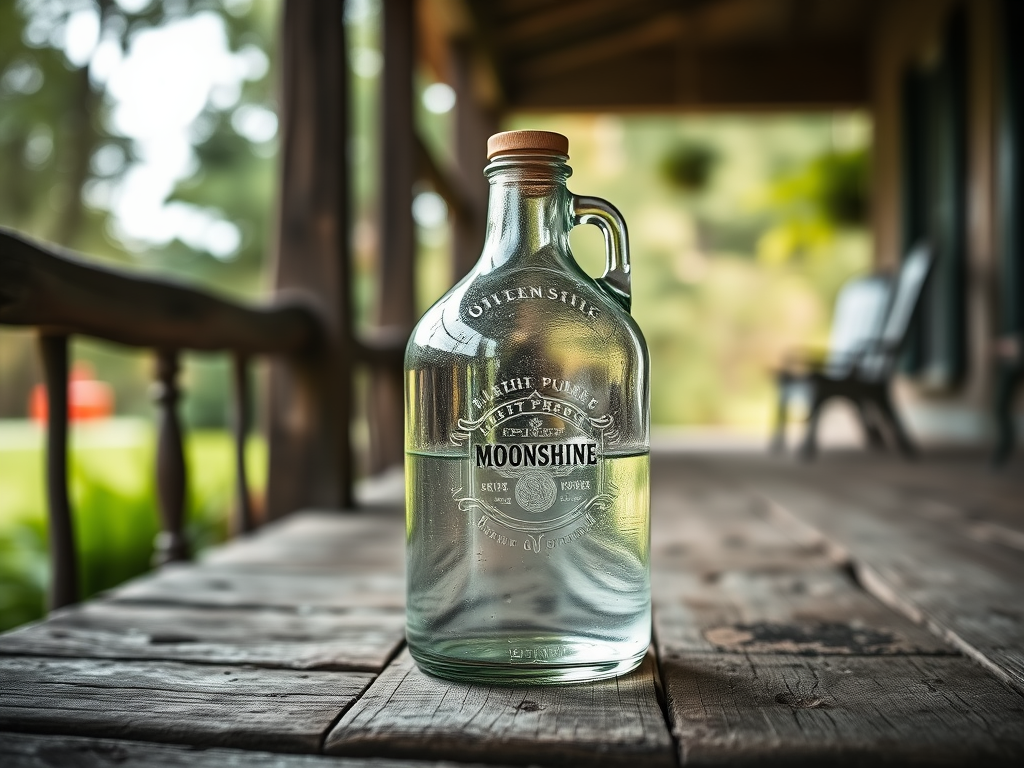
It started with a dusty box in the attic after my granny had passed away.
I wasn’t searching for anything in particular that day — just sifting through the past, trying to make sense of the clutter. The farmhouse felt like a time capsule, packed with relics from lives I barely understood. I pulled back a moth-eaten quilt, and what I saw stopped me cold. Rusted copper coils. A dented kettle. A strange tangle of tubes and jars. As the summer heat pressed through the roof, I knelt there, dust motes swirling in the slanted light. My fingers traced the worn metal of the kettle. My great-grandfather’s name was etched into the side.
At that moment, the muttered family stories became real.
It was part of a moonshine still.
I had heard rumors about him over the years — stories of late-night runs down winding mountain roads, headlights off, a trunk packed with mason jars. Tales of clear liquid that burned going down but warmed you from the inside. A secret recipe guarded like gold. A knack for “making trouble” during Prohibition. But those stories had always felt like folklore — distant, half-believed. Now, with the proof in my hands, the past had weight.
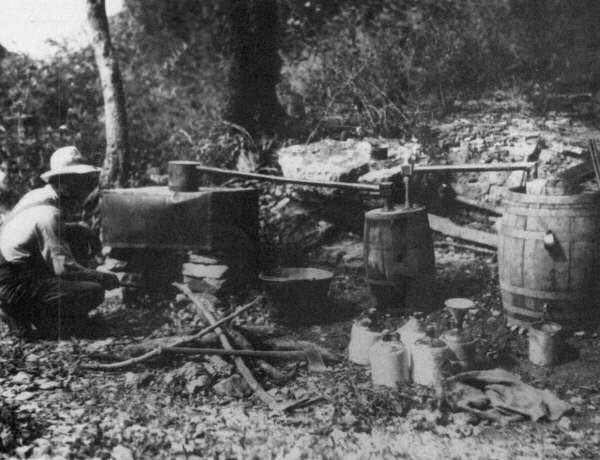
The Still That Told Two Stories
Finding my great-grandfathers still was like uncovering a piece of history. Finding my daddy’s still, on the other hand — well, that was different.
When I was ten, my daddy brought me into his secret world. We never spoke about it outside the family. I never mentioned it to friends or teachers. But I was part of it.
I remember those cool autumn mornings, my fingers aching from shelling corn. Kernels piled high in buckets before we put them into a burlap sack and soaked them in the creek. I carried sacks of sugar up the mountain, my small shoulders straining under the weight. Daddy walked ahead, his boots crunching on pine needles and leaves.
I can still smell the fermenting mash, hear the bubbling still, feel that mix of pride and fear as Daddy checked the first run. His slow, satisfied nod told me everything I needed to know — the batch was good.
It was grueling work. But it was thrilling, too. I was part of something bigger, something secret and important. Daddy swore me to silence. His calloused hand rested on my shoulder; his eyes filled with the wary wisdom of generations who had learned to distrust outsiders. I kept that promise for decades. Until now.

The History in the Stills
Moonshining wasn’t just a way to make quick cash during Prohibition — it was survival. Before I understood taxes or government regulations, I knew this was how mountain families endured. When the outside world offered only hardship, we found our own way.
My great-grandfather wasn’t just a bootlegger. He was a craftsman. A chemist. A rebel. In the 1920s, the country went dry, and many families went hungry. He risked everything to provide for his own. His operation wasn’t just about alcohol — it was defiance. In our hills, he became a legend. His moonshine was so smooth that revenuers kept it for themselves rather than pouring it out.
By the 1950s, my daddy took up the family trade. The stakes had changed. He wasn’t running from federal agents or trying to make a name for himself. He was doing what generations before him had done — turning corn into cash when the fields didn’t yield enough. Every jar sold meant another month with the lights on, another pair of shoes when mine had worn through.
After my attic discovery, I dug deeper into our family’s past. I found old letters and photographs tucked into cigar boxes and between the pages of a Bible. Scribbled notes detailed deliveries under new moons. Faded photos captured men standing beside their makeshift distilleries. Farm equipment sales records masked transactions that told of midnight runs and close calls with the law. It was dangerous work, but it demanded resourcefulness and grit.
The Recipe That Started It All
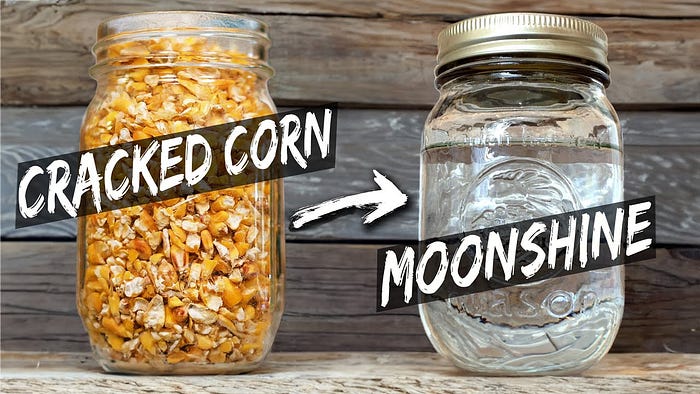
Inside the wooden box with my great-grandfather’s still was a small, leather-bound notebook. The pages, yellowed and fragile, held a carefully recorded recipe. The ingredients were simple — corn, sugar, cold spring water, yeast. But the instructions were exact. Every step was detailed, from fermentation to distillation.
The margins were filled with notes — how weather affected the mash, adjustments for different corn varieties, warnings against cutting corners. This wasn’t just a recipe. It was a blueprint for survival. A piece of family history, passed down not through words, but through the quiet legacy of those who had come before me.
A Still Like No Other
I’ve searched for pictures of a still like my daddy’s, but they don’t exist. His setup was unique, a testament to his backwoods ingenuity.
Twelve wooden barrels for mash, buried in the earth with only their tops showing through the ferns. A metal drum, blackened by fire, held the water. Three wooden barrels stood in the clearing like sentinels, connected by a complex web of tubes. At the heart of it all was an upright metal barrel with a copper coil running through it. This was where the transformation happened — where raw ingredients became liquid fire.
On quiet nights, the sweet scent of mash drifted on the wind. But Daddy’s spot was remote, hidden deep in a holler. Thick brush and towering trees kept it secret. No one stumbled upon it by accident.
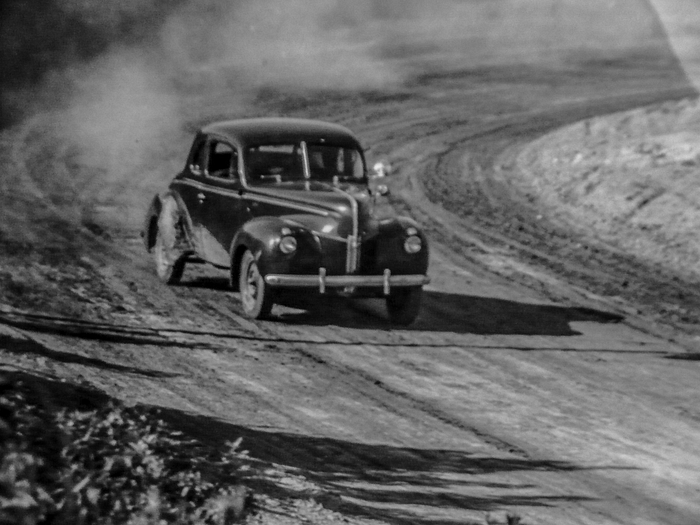
People came from all over for his moonshine. Californians in shiny cars, Texans with slow drawls, New Yorkers with fast talk and city clothes. They knew his shine was different — pure, smooth, free from the harsh bite of bad cuts. They spoke in code, handed over cash, and left with mason jars wrapped in newspaper, tucked away in false-bottomed suitcases.
What It Taught Me
The stills taught me more than the mechanics of making moonshine. They revealed my family’s resilience, the values that shaped us. Life isn’t always about playing by the rules. It’s about survival, and it’s about carrying on traditions that don’t fit neatly into society’s expectations.
It made me think about our stories — the ones we tell openly, the ones we keep quiet. Every family has its secrets. Moments of pride and moments of shame. A moral code that doesn’t always match the laws of the land. These stories, spoken or not, define us.
My daddy lived to be 92. When he died, he took with him the knowledge of a nearly lost craft. Now, I want his story told. Not to glorify illegal acts, but to honor the man. To honor a life shaped by necessity, ingenuity, and a deep sense of responsibility. He worked hard. He provided. He did what needed to be done — just like the generations before him.
A New Chapter
Today, I share these stories not to romanticize the past, but to preserve a piece of American folk history. I document the spirit that runs through my veins — the same spirit that sustained Appalachian families when the economy failed them.
Finding those stills changed how I see my family. It reminded me that history isn’t just in textbooks about presidents and wars. It’s in our attics, in our memories, in the skills passed down across generations. It’s in the stories whispered on porches. It’s as real as copper coils and corn mash. As powerful as moonshine and memory.
So, here’s to the rebels, and the risk-takers who came before us — the ones who found a way to survive against the odds. Their stories deserve to be remembered. Understood in context. And sometimes, honored with a raised glass.
Cheers.
-Tim Carmichael
 Echoes of Appalachia
Leave a comment