St. Patrick’s Day in Appalachia: A Celebration of Scots-Irish Heritage
In the heart of Appalachia, St. Patrick’s Day is more than a global celebration of Irish culture—it’s a deeply personal reflection of a shared heritage that has shaped the region for centuries. Many families here trace their lineage back to Ireland, but the story is more layered than that. Appalachia was heavily settled by Scots-Irish immigrants, a group whose customs, beliefs, and traditions have left an indelible mark on the cultural fabric of the region.
This isn’t just a history lesson; it’s a living, breathing part of Appalachian identity. The Scots-Irish influence is woven into the everyday lives of its people, from the music that fills the air to the stories told around kitchen tables. St. Patrick’s Day, often seen as a purely Irish holiday, takes on a unique significance here, where the blending of Scottish and Irish heritage has created something entirely its own.
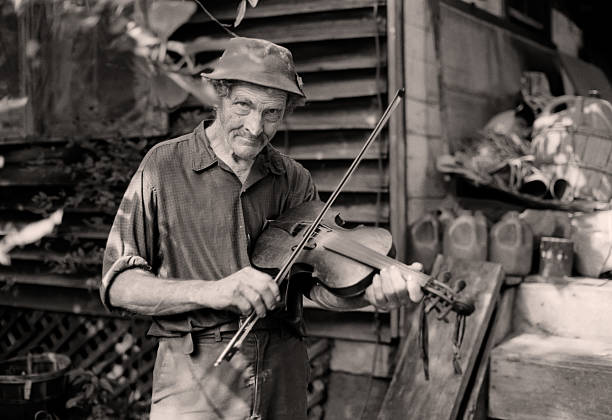
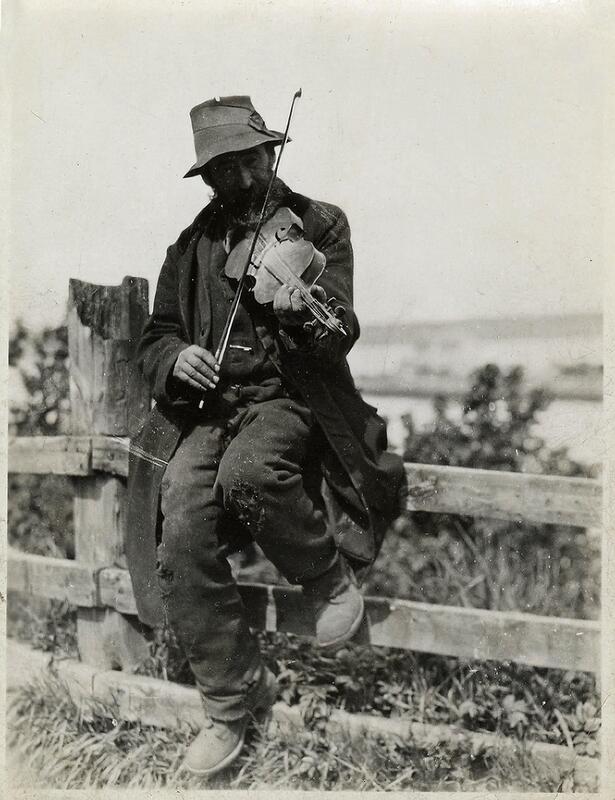
Music is perhaps the most enduring link between Appalachia and its Celtic past. The ballads sung on front porches, the lively tunes played on fiddles and banjos—these sounds are direct descendants of the musical traditions brought over from the British Isles. On St. Patrick’s Day, these melodies take center stage, serving as a reminder of the region’s deep connection to its roots. It’s not just about Irish music; it’s about the Scots-Irish legacy that has shaped Appalachian culture for generations.
The holiday also highlights the cultural distinctions within Appalachian communities. For some, St. Patrick’s Day is a time to wear green, enjoy traditional Irish dishes like corned beef and cabbage, and raise a glass in celebration. For others, particularly those with Scottish Protestant ancestry, the day might include wearing orange to honor King William of Orange, a figure central to Scots-Irish history. Many families use the occasion to celebrate both sides of their heritage, acknowledging the complex and intertwined histories of Scotland and Ireland.

But St. Patrick’s Day in Appalachia is about more than symbols or festive meals. It’s a time to remember the people who carved out lives in these rugged mountains, bringing with them the traditions that still define the region. The holiday becomes an opportunity for storytelling, music-making, and community gatherings—a chance to honor the collective heritage that binds these communities together.
In towns and hollers across Appalachia, St. Patrick’s Day often features lively music sessions, with fiddles and banjos playing the fast-paced rhythms of reels and jigs that echo the sounds of Ireland and Scotland. Shared meals, sometimes accompanied by homemade refreshments, bring people together in celebration. These traditions, passed down through generations, are a testament to the enduring influence of Celtic culture in Appalachia.
What makes St. Patrick’s Day in Appalachia so special is its ability to transcend the commercialized version of the holiday. Here, it’s not just about shamrocks and green beer; it’s about connection—to the past, to each other, and to the cultural roots that continue to shape the region. The Scots-Irish immigrants who settled these mountains may have left their homelands behind, but their legacy lives on in the music, stories, and traditions that define Appalachian life.
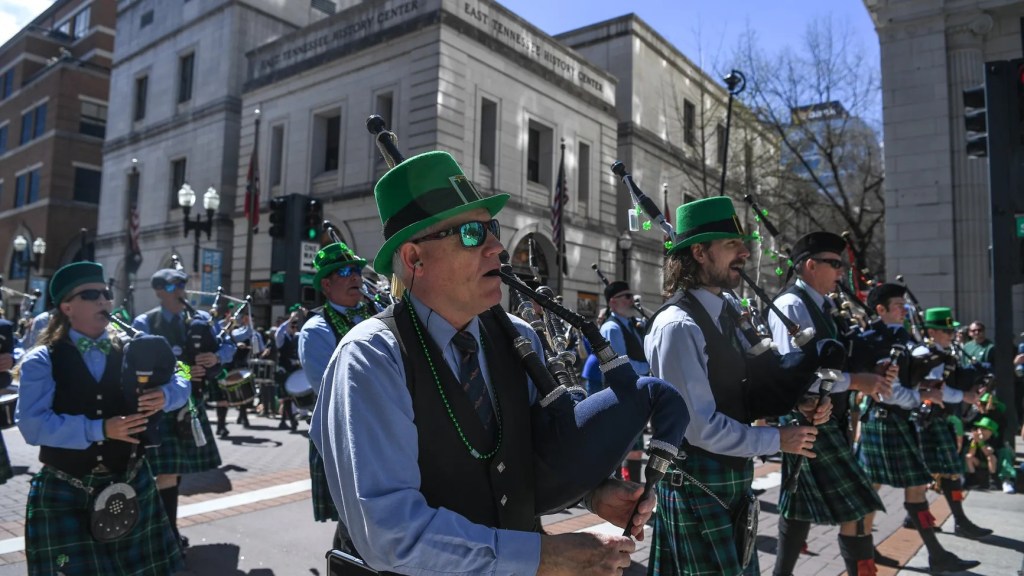
So this St. Patrick’s Day, as you raise a glass or tap your foot to a fiddle tune, take a moment to remember the Scots-Irish ancestors who helped build these communities. Their influence is everywhere, from the songs we sing to the stories we tell. And if you forget to wear green, well, you’ve been warned—pinches are coming your way.
Happy St. Patrick’s Day, Appalachia!
-Tim Carmichael
 Echoes of Appalachia
Leave a comment