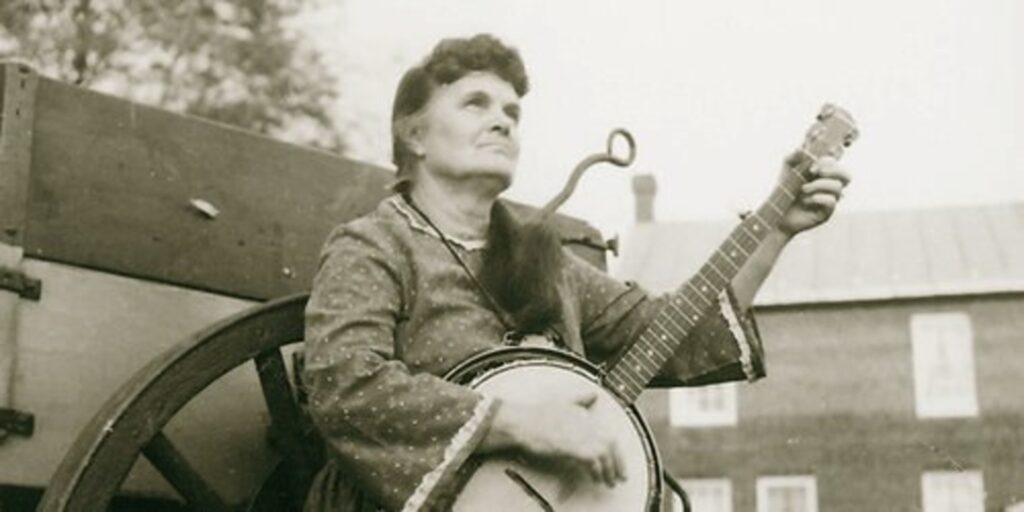
A native of Ashe County, North Carolina, born in 1916, Ola Belle Reed grew into one of the most authentic voices in Appalachian folk music. While she may not have achieved mainstream fame, Reed’s impact on American roots music continues to resonate today.
Growing up among the Blue Ridge Mountains, Reed was immersed in the musical traditions that defined her community. The Campbells, her family, were locally celebrated musicians, and young Ola Belle absorbed the centuries-old ballads, hymns, and instrumentals that surrounded her daily life. When economic necessity during the Great Depression pushed her family to Maryland, she brought these musical traditions with her, becoming a custodian of mountain culture far from its source.
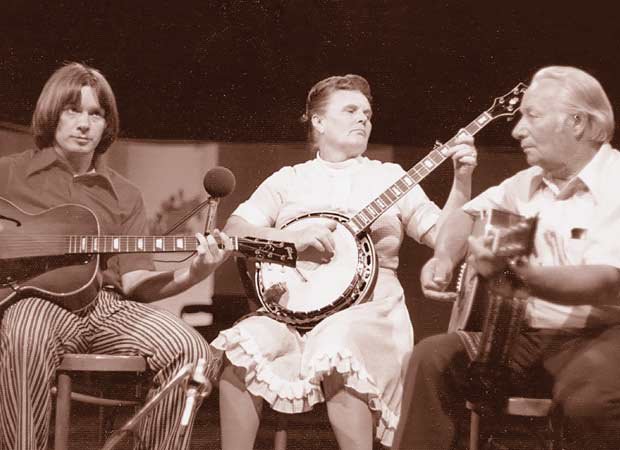
Reed stood apart from her contemporaries through her dual mastery as vocalist and instrumentalist. She perfected the clawhammer banjo technique, a demanding style that creates the distinctive rhythmic backbone of traditional Appalachian music. Her singing—powerful and unadorned—conveyed genuine emotion whether performing time-honored songs or her original compositions.
“High On a Mountain,” among her most beloved works, distills Reed’s artistic essence. The song captures the melancholy nostalgia of mountain people separated from their homeland—a sentiment that struck deep with countless Appalachians who ventured north seeking better economic prospects. Through lyrics like “High on a mountain, wind blowing free / Thinking about the days that used to be,” Reed gave voice to the collective yearning of a displaced community.
“I Have Endured” similarly speaks to the tenacity needed to weather hardship. Reed’s direct examination of struggle reflected her lived experiences during the Depression and the cultural dislocation of Appalachian people. Her songs offered no romantic gloss on poverty but celebrated the dignity and persistence of those facing such trials.
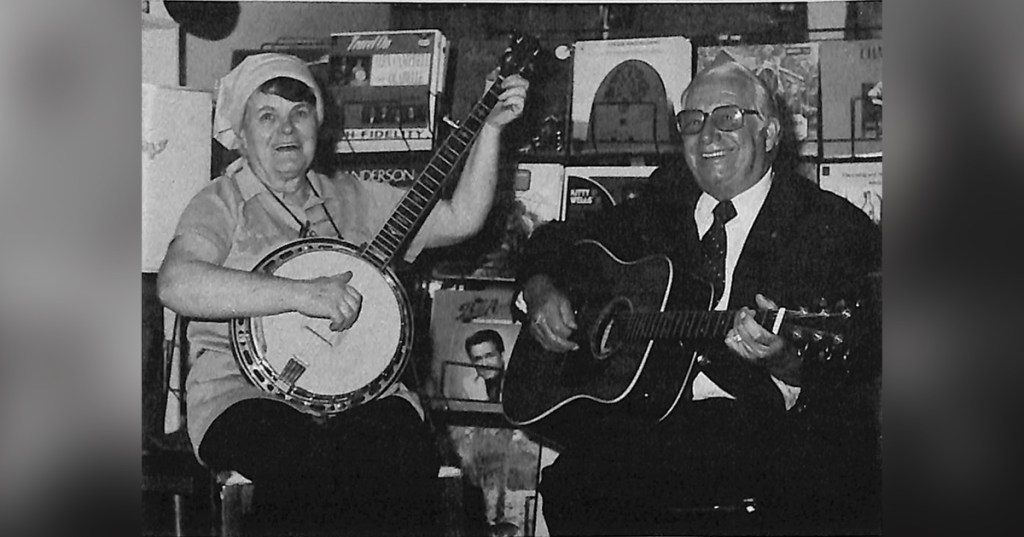
Reed’s influence extended beyond recordings through her performances at New River Ranch and Sunset Park, significant country music venues in Maryland. There, alongside her brother Alex, she established the New River Boys and Girls, a band that became a fixture in the region. For more than twenty years, their weekly radio appearances brought mountain music to appreciative audiences.
The folk revival of the 1960s finally brought wider recognition to Reed’s artistry. Festival performances introduced her to urban listeners eager for authentic American roots music. Scholars and enthusiasts recognized in Reed a direct connection to the earliest American folk traditions, many tracing back to the British Isles.
Though fame was never her pursuit, Reed’s influence permeated folk and country music circles. Artists including Marty Stuart and Del McCoury acknowledge her as an inspiration, while her songs continue to be interpreted by musicians seeking connection with Appalachian musical heritage.
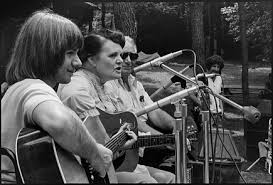
Reed’s contributions transcend her music, encompassing her role as a cultural guardian. When many traditional art forms faced extinction under modernization’s pressure, she steadfastly preserved the musical practices of her mountain heritage. Her dedication to authenticity provides a compelling counterpoint to the commercialized country music that emerged mid-century.
At her passing in 2002 at 85, Reed left not just recordings but a living tradition carried forward by those she touched directly and indirectly. Her work stands as more than entertainment—it’s a cultural testament to Appalachian life, values, and creative expression.
In today’s world, where novelty often overshadows tradition, Ola Belle Reed’s music affirms the lasting power of cultural roots. Her songs travel across generations, preserving mountain voices through time. As she sang in “I’ve Endured”: “I’ve worked for the rich, I’ve lived with the poor; Lord, I’ve seen many a heartache, there’ll be many more; I’ve lived, loved and sorrowed, been to success’s door; I’ve endured, I’ve endured.”
-Tim Carmichael
 Echoes of Appalachia
Leave a comment