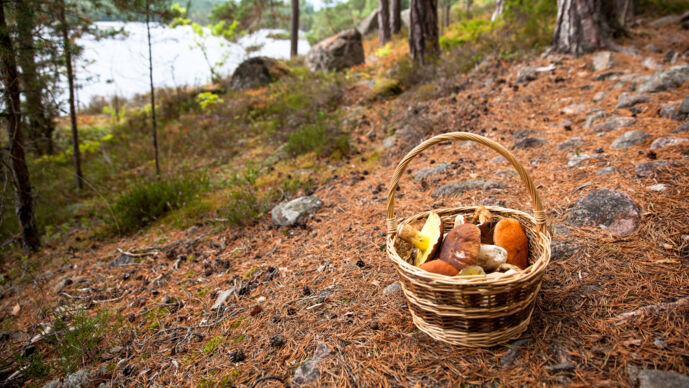
In the heart of the Appalachian Mountains, when winter finally loosens its grip and spring emerges from the thawing ground, a bounty appears on the forest floor—a gift from the land that once sustained mountain families. Long before grocery stores lined the roads, these wild plants provided nourishment and flavor. The knowledge of how to gather them wasn’t found in cookbooks or learned in classrooms. It was passed down from grandparents to parents to children, generation after generation, through the simple act of walking the hills together.
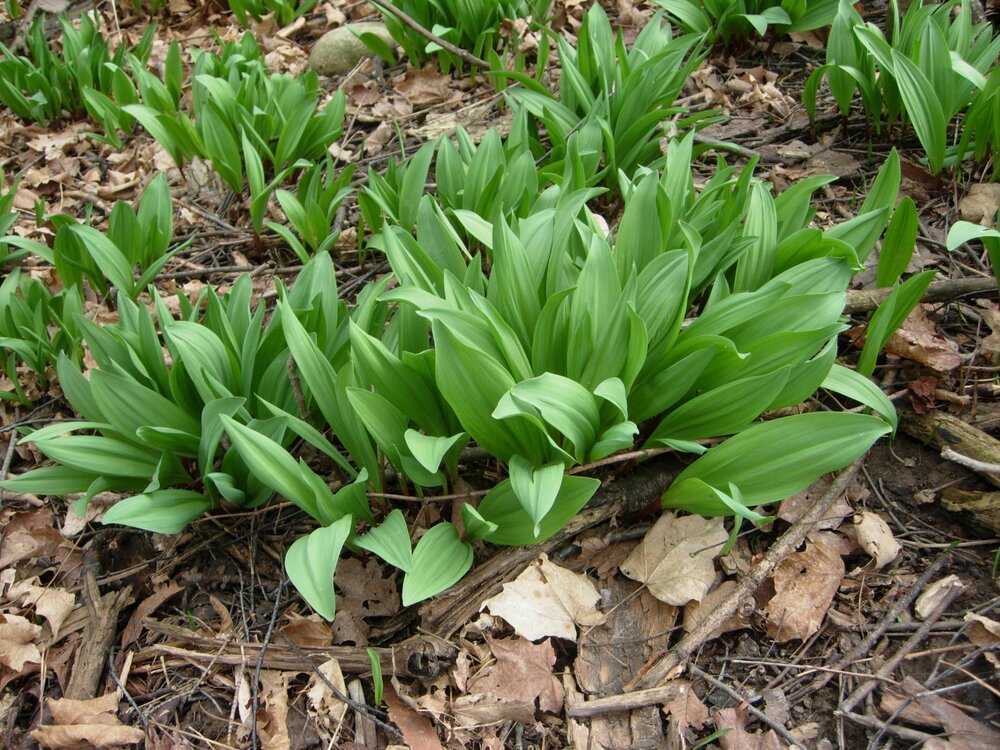
The first sign of spring? Ramps. These wild onions, pushing through the decaying leaves while frost still clings to the air, herald the change of seasons. Their pungent taste—part garlic, part onion—adds a sharpness to the simple meals of mountain cooks. After months of surviving on stored foods, ramps are a welcome, pungent promise of what’s to come. Fried with eggs, tossed in with potatoes, or eaten raw with cornbread, they add a kick to the plate. But ramps are not taken lightly—only the leaves are harvested, leaving the bulbs in the ground so they will return next year.
Morel mushrooms, with their distinctive honeycomb-like caps, are another treasure hidden in the understory of the forest. These earthy mushrooms, elusive and delicate, require a trained eye to find. Experienced hunters know the spots—near dying elms and forgotten apple orchards—but rarely share their secrets. When cooked simply in butter, morels reveal a meaty flavor that can’t be matched by any store-bought mushroom. However, foraging for these fungi isn’t without risk—misidentifying them can be deadly. But for those who know, the reward is well worth the careful search.
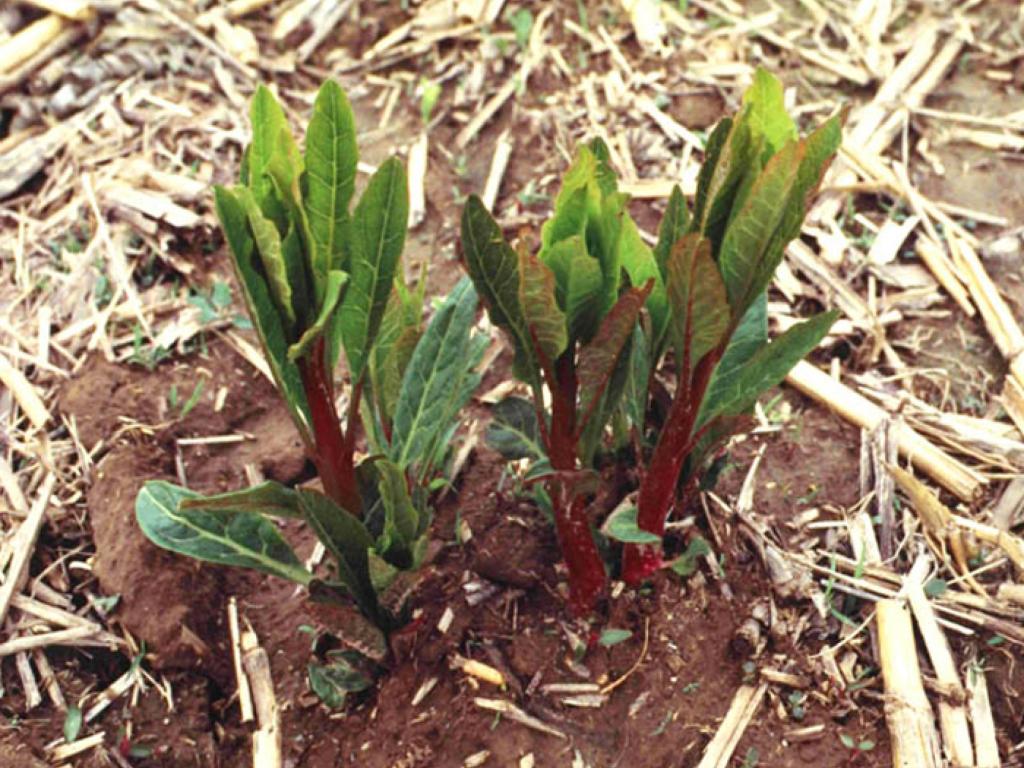
Further down the hillside, pokeweed waits to be harvested. This plant, while toxic in most of its forms, holds a place in the mountains as a vital food source for families facing lean times. The young, tender leaves are edible once boiled twice—each time discarding the water to rid them of toxins. Once prepared properly, pokeweed is fried in bacon grease or added to eggs, offering sustenance in the spring when food is still scarce. The rest of the plant—berries, older leaves, stems—is best left alone.
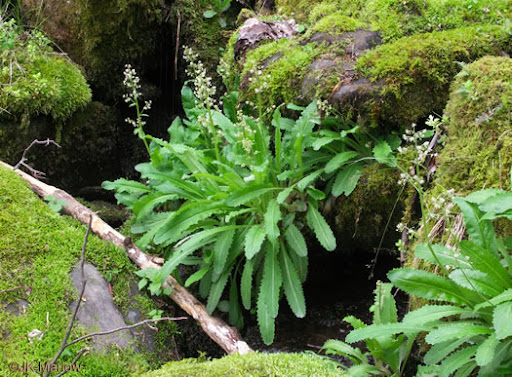
At the edge of a cool mountain stream, branch lettuce flourishes. This wild green, often mistaken for common weeds, offers crisp leaves that make a refreshing addition to spring salads, typically dressed with vinegar for a sharp contrast to the bitter chill that lingers in the air. Alongside it, dandelion greens—once a dreaded invader of yards—are transformed in the hands of mountain cooks, often sautéed with fatback to cut the bitterness. Violet leaves and chickweed add a mild flavor to dishes when the garden’s bounty hasn’t yet arrived.
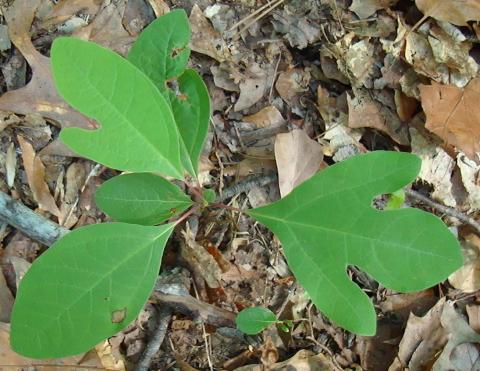
And no spring in Appalachia would be complete without the flavor of sassafras root. Dug from the thawing ground, these roots are boiled into a fragrant tea, believed to help the body transition from the deep cold of winter to the warmth of spring. For those with a sweeter tooth, sassafras also makes a uniquely flavored homemade root beer. Despite modern warnings about the potential dangers of sassafras, many older mountain residents shrug off such concerns, still steeping their cups as they always have.
As supermarkets stock the shelves with fruits and vegetables year-round, the knowledge of these wild plants grows more distant. The practice of foraging, once vital for survival, now risks fading into obscurity. However, efforts to keep these traditions alive are underway—through community workshops, family teachings, and stories passed by word of mouth. It’s a quiet rebellion against the fast-paced, packaged world we live in, reminding us that the difference between hunger and a full belly once grew wild on the hillsides of Appalachia. And if we listen closely, we might still hear the whispers of that wisdom calling us back to the land.
-Tim Carmichael
 Echoes of Appalachia
Leave a comment