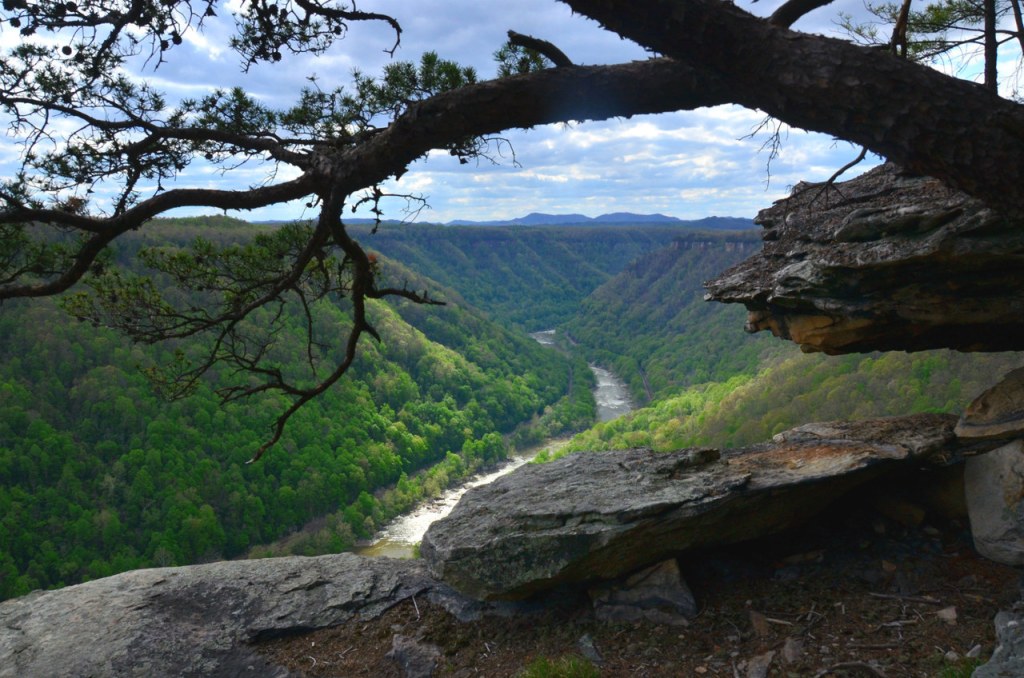
The Appalachian Mountains once supplied clean water that millions of people drank and that supported many different plants and animals. But over the years, factories, mines, and weak environmental rules have caused serious damage. Now, many streams and rivers in the region show signs of pollution, putting both wildlife and Appalachian communities at risk.
The Impact of Coal Mining
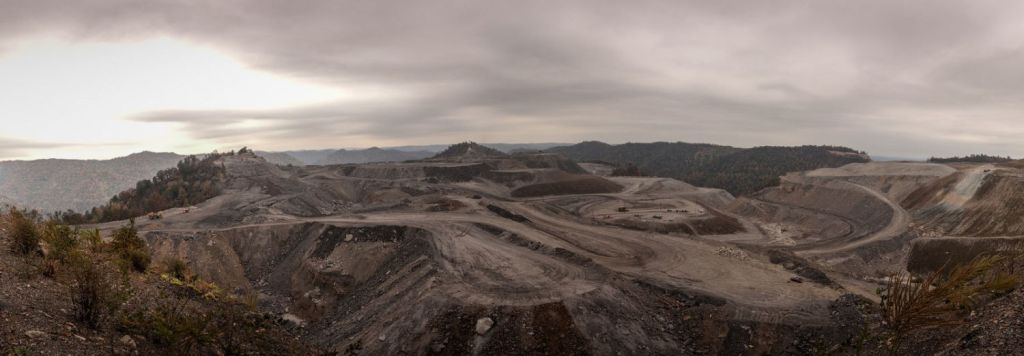
Coal mining stands as one of the worst sources of water pollution across Appalachia. Mountaintop removal mining, which companies have used for decades, has wiped out whole mountainsides and dumped waste into streams, poisoning water that people depend on. The water that runs off these mining sites contains dangerous metals like arsenic, lead, and mercury – all known to cause serious health problems.
Acid mine drainage creates another lasting problem. When rain falls on old, abandoned mines, it mixes with exposed minerals to form sulfuric acid. This acid pulls even more heavy metals out of the surrounding rock and carries them into nearby streams and rivers. You can spot these polluted waterways by their strange orange or red color – the water becomes so toxic that fish and other water creatures simply can’t live there.
Chemical Spills and Industrial Waste
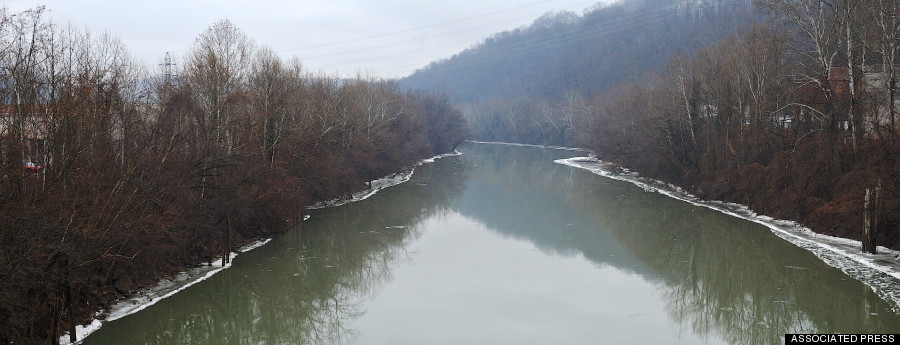
Besides coal mining, factories and chemical plants have damaged Appalachian rivers and streams. When these facilities leak or spill, dangerous chemicals flow into waterways, making the water unsafe to drink or swim in. Some people have found their tap water smelling like chemicals or causing rashes after showering.
A major disaster happened in 2014 when a storage tank leaked thousands of gallons of crude MCHM chemical into West Virginia’s Elk River. This accident left hundreds of thousands of people without clean water for days, showing just how quickly industrial pollution can cut off a community’s water supply.
Agricultural Runoff and Wastewater Issues
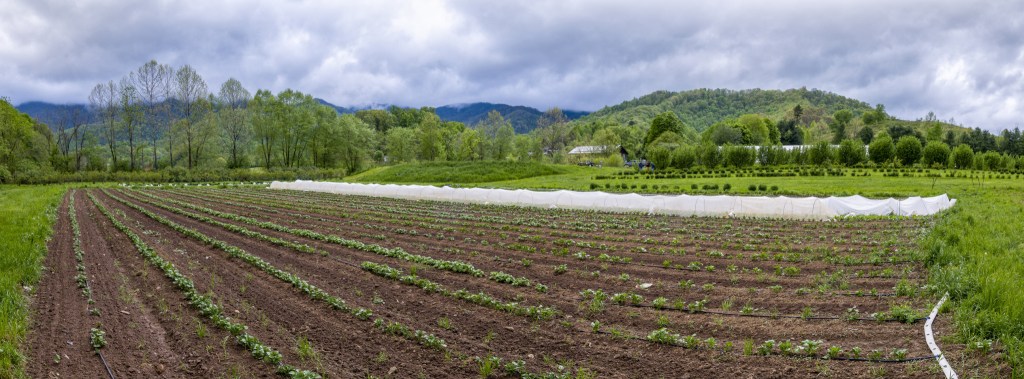
Farm and livestock operations cause a different kind of water pollution. When it rains, chemicals from fields – pesticides, weed killers, and fertilizers – wash into nearby streams and rivers. This triggers algae growth that uses up oxygen in the water and kills fish. At the same time, waste from large animal farms leaks into the ground, contaminating well water that rural families depend on with harmful bacteria like E. coli.
Old sewage systems make things worse. Many small towns and country homes have outdated septic tanks or pipes that dump waste directly into waterways, adding bacteria and other pollutants to the water. With little money available to fix or replace these systems, the contamination keeps getting worse.
Park Overall’s Fight for the Nolichucky River

My friend, Park Overall, environmental activist from East Tennessee, stands as one of Appalachia’s most vocal champions for clean water. She has spearheaded efforts against pollution in the Nolichucky River, a crucial waterway flowing through North Carolina and Tennessee.
Throughout her years of advocacy, Overall has challenged industrial waste and agricultural runoff that threaten the Nolichucky. She has consistently opposed permits allowing pollution discharge into the river and worked diligently to ensure corporations take responsibility for environmental harm. Through a combination of public advocacy, protests, and legal challenges, she has heightened awareness about the river’s endangered status and pressed officials to implement and enforce more stringent environmental safeguards.
Overall’s passionate activism highlights the Nolichucky River’s significance to Appalachian communities. As an essential resource for fishing, recreation, and drinking water, the river’s protection has become a rallying point, with Overall’s dedication inspiring many others to join the movement to preserve it from contamination.
Recent Flooding and Its Impact on Appalachian Rivers
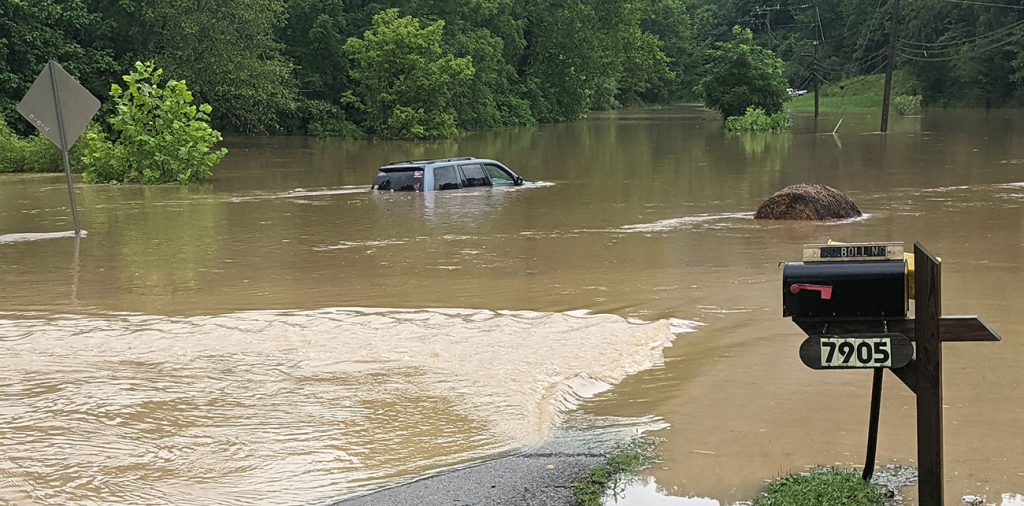
The recent floods have made water pollution much worse, washing debris, sewage, chemicals, and trash into key rivers like the Nolichucky, Tennessee, and French Broad. Floodwaters have swept contaminants from old industrial sites, farm pesticides, and raw sewage from overloaded treatment systems into these waterways. This creates serious health risks for both wildlife and people who depend on these rivers.
The rushing floodwaters have disturbed sediment holding pollutants that settled decades ago, releasing these harmful substances back into the rivers. People who count on these waterways for their drinking water, fishing spots, or outdoor activities now face growing dangers as toxin and bacteria levels have jumped dramatically in the aftermath of the floods.
The Fight for Clean Water
Under the new Trump administration, efforts are underway to roll back regulations protecting waterways. Despite these challenges from the White House, communities across Appalachia are mobilizing in response. Grassroots organizations and environmental advocates are demanding stronger regulations and more comprehensive cleanup initiatives. Legal action has been taken against mining companies found in violation of water protection standards, while several communities have focused on enhancing their water treatment infrastructure.
Restoration projects continue to gain momentum. Environmental groups are planting trees along stream banks to naturally filter polluted runoff, working to rehabilitate wetland ecosystems to improve water quality, and actively lobbying legislators to enforce existing pollution control measures. Public education campaigns promote responsible land management and advocate for sustainable practices in both agricultural and industrial sectors.
The Future of Appalachian Waterways
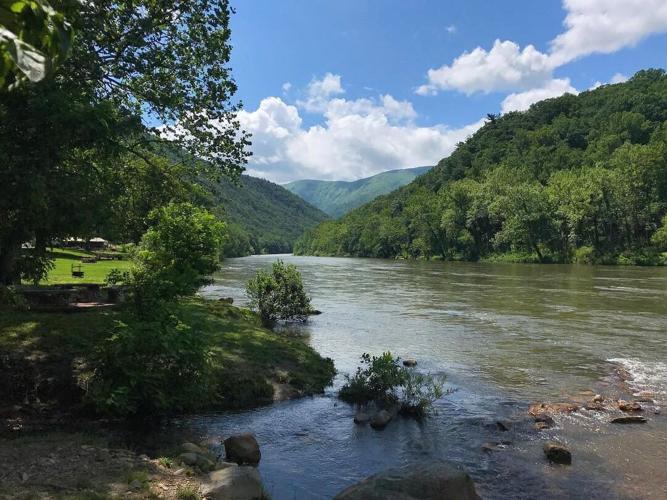
The battle to clean up Appalachia’s water is nowhere near finished. If we don’t enforce environmental laws better and change to sustainable practices, pollution will keep harming our communities and natural areas. But Appalachian people have always stood strong against tough challenges. Protecting our rivers and streams is a fight worth taking on, and everyone needs to join in regardless of their political views. We must do this for our children and the future families that will call this place home when we are long gone.
-Tim Carmichael
 Echoes of Appalachia
Leave a comment