“From cornbread to ramps, the flavors of the mountains tell a story of resourcefulness, community, and deep-rooted tradition. As the author of three cookbooks on the subject, I’ve spent years uncovering what makes this cuisine so special.”

Appalachian food has always been about working with what’s available. Long before “sustainable” and “organic” became trendy, mountain cooks were already living those principles. A summer meal at a farmhouse table might include sliced tomatoes still warm from the garden, corn on the cob dripping with butter, cucumber slices chilling in ice water, and a pot of green beans simmered with a piece of salt pork. It’s food that’s fresh, straightforward, and deeply tied to the seasons.
One of the region’s most iconic dishes is soup beans and cornbread. Soup beans — pinto beans slow-cooked with a ham hock or fatback — are hearty and rich, often paired with a wedge of cornbread made from stone-ground cornmeal. This meal, rooted in the traditions of Native Americans and African Americans, shows how mountain cooks transformed simple ingredients into something nourishing and deeply satisfying.
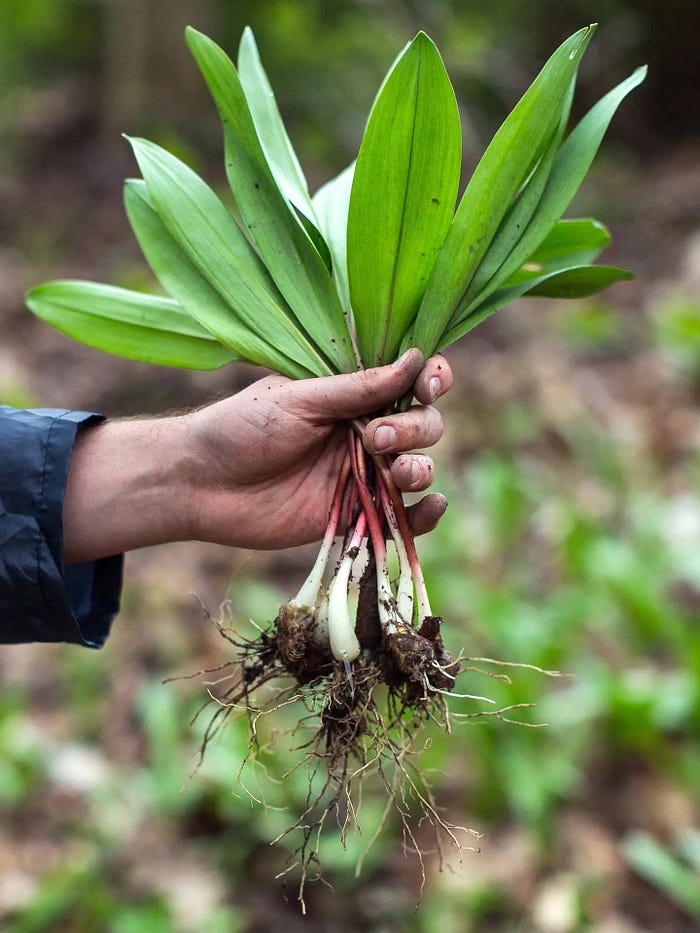
Then there are ramps, the wild mountain leeks with a sharp, garlicky flavor. For generations, ramps have been foraged in the spring, valued not just for their taste but also for their role in traditional medicine. Cherokees believed ramps helped “thin the blood” after a long winter. Today, ramp festivals celebrate this wild onion across the region, and chefs nationwide eagerly seek them out for their unique flavor. What was once a foraged staple has become a sought-after delicacy, a testament to how Appalachian food reflects its history and heritage.
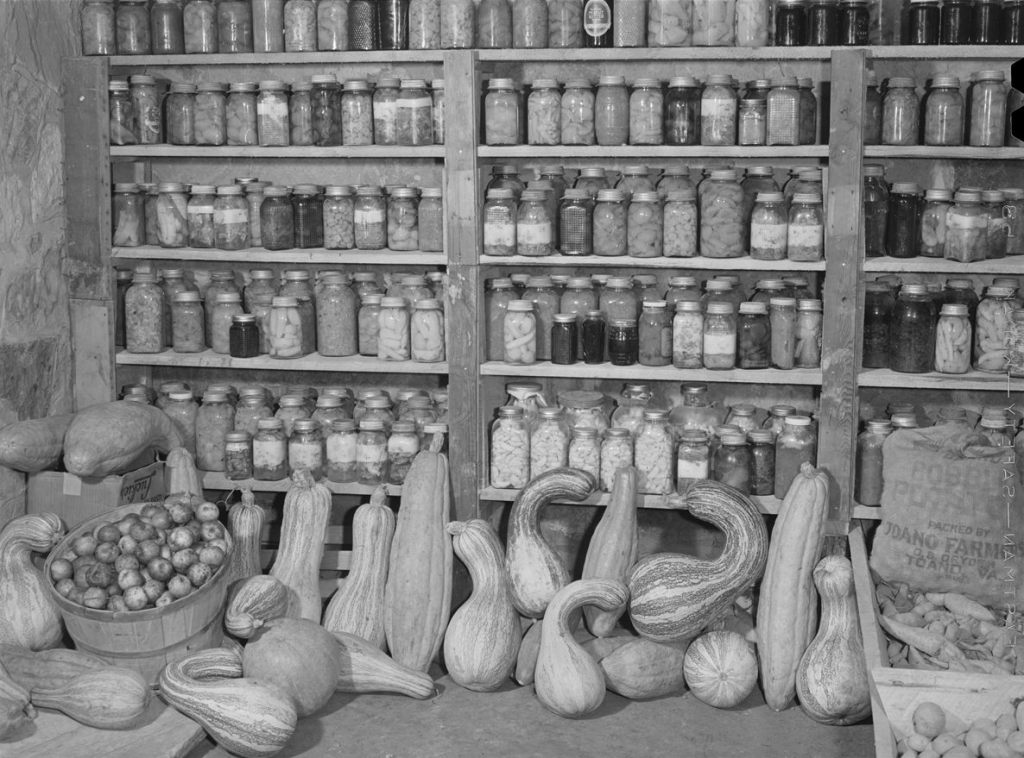
Preservation has always been central to Appalachian cooking. Canning, pickling, and drying were essential for making the harvest last through the winter. Salt-cured ham, with its deep, savory flavor, is a centerpiece of many mountain tables, especially during the holidays. Desserts like apple stack cake and blackberry cobbler often rely on preserved fruits, turning humble ingredients into something special.
But Appalachian food isn’t just about practicality — it’s about community. Church potlucks, family reunions, and community suppers are where this cuisine truly comes alive. Tables are loaded with fried chicken, deviled eggs, green bean casseroles, and pies of every kind. These gatherings are as much about connection as they are about food, a reminder that in the mountains, cooking is an act of care and generosity.
In recent years, the rest of the world has started to take notice of Appalachian food. With a growing emphasis on locally sourced, sustainable ingredients, chefs are rediscovering the wisdom of mountain cooking. When done with respect and authenticity, this recognition is long overdue. Appalachian cuisine isn’t just about what’s on the plate — it’s about the stories, traditions, and people behind it.
So, the next time you sit down to a plate of soup beans and cornbread, or bite into a slice of pawpaw pie, remember you’re tasting a piece of history, a legacy of resourcefulness, and a celebration of the region’s rich heritage.
-Tim Carmichael
 Echoes of Appalachia
Leave a comment