
When I was a kid, my grandma used to say, “Appalachia isn’t just a place — it’s a feeling.” She’d sit on her porch in Western North Carolina, rocking back and forth, her voice carrying the weight of generations. Back then, I didn’t fully understand what she meant. Now, after years of listening, learning, and living alongside the people of these mountains, I get it. Appalachia isn’t just a region on a map. It’s people, history, and a fight to be seen for who they really are.
The People Behind the Stereotypes
Let’s get one thing straight: Appalachia isn’t a monolith. It’s not just coal miners, banjos, and poverty porn. It’s a place where teachers, nurses, artists, and entrepreneurs live alongside farmers and factory workers. It’s a place where people laugh hard, work harder, and care deeply about their neighbors.
I’ll never forget the first time I went to a community potluck in a tiny North Carolina town. The table was covered in dishes — green beans cooked with bacon, cornbread still warm from the oven, and a dozen pies that looked like they belonged in a magazine. But what struck me wasn’t the food. It was the way everyone leaned in, telling stories, teasing each other, and making sure no one left hungry. That’s Appalachia: a place where no one is a stranger for long.
A Culture That Won’t Quit
Appalachian culture is alive and kicking. It’s in the music that spills out of front porches on summer nights. It’s in the quilts stitched by hand, each one a map of someone’s life. It’s in the stories passed down from grandparents to grandkids, stories that carry lessons about survival, love, and loss.
- Music: Bluegrass isn’t just a genre here — it’s a heartbeat. It’s the sound of fiddles and banjos weaving together, telling stories of heartbreak and hope.
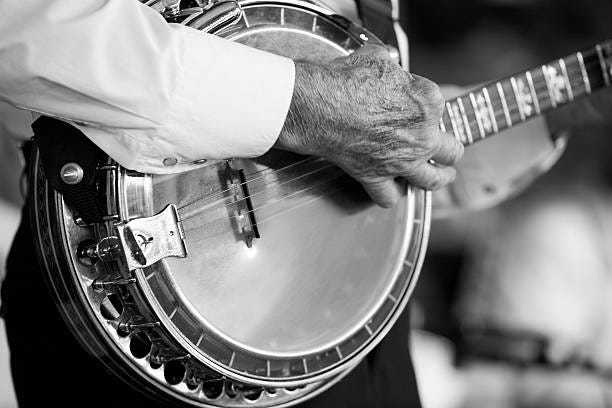
- Craftsmanship: From woodcarving to basket-weaving, Appalachian artisans create things that last. These aren’t just crafts; they’re heirlooms.

- Food: Appalachian cuisine is comfort food with a story. It’s beans and cornbread, soup beans, and apple stack cake. It’s food that sticks to your ribs and reminds you of home.

The Hard Truths
Let’s not sugarcoat it: life in Appalachia isn’t easy. The region has been hit hard by job losses, the opioid crisis, and a healthcare system that often fails the people who need it most. But here’s the thing: Appalachians don’t give up. They fight for their families, their communities, and their future.
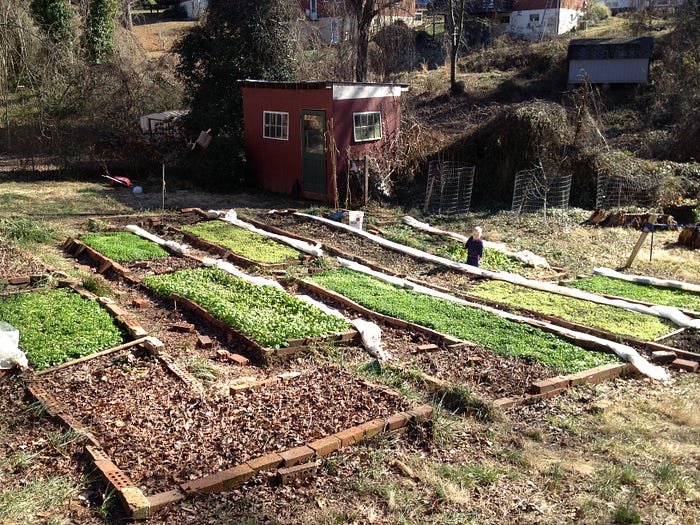
I’ve met single moms working two jobs to put their kids through college. I’ve seen veterans start community gardens to feed their neighbors. I’ve watched young people come back home after years away, determined to build something better. These stories don’t make headlines, but they’re the real story of Appalachia.
Why Appalachia Matters
Appalachia matters because it’s a mirror for the rest of the country. It’s a place where the cracks in our systems — economic, healthcare, education — are laid bare. But it’s also a place where people find ways to fill those cracks with grit, creativity, and love.
When you really listen to the people of Appalachia, you hear something powerful: a refusal to be defined by their struggles. They’re proud of where they come from, and they should be. They’ve built lives in a place that doesn’t make it easy, and they’ve done it with humor, heart, and an unshakable sense of community.
A Call to Listen
If you want to understand Appalachia, start by listening. Listen to the music, the stories, and the people. Don’t believe the stereotypes. Don’t assume you know the story because you’ve seen a documentary or read a headline. The real story is in the everyday lives of the people who call these mountains home.
And if you ever get the chance, sit on a porch with someone who’s lived here their whole life. Ask them to tell you a story. You’ll walk away with more than just a tale — you’ll walk away with a piece of Appalachia.
-Tim Carmichael
 Echoes of Appalachia
Leave a comment