
When the Great Depression swept across America in the 1930s, it left a nation reeling. But in Appalachia, where life had always been shaped by sharp ridges, stubborn soil, and isolation, the Depression didn’t feel like a sudden catastrophe. It felt like the tightening of a belt that was already snug. Appalachians didn’t just endure—they leaned on what they’d always known: hard work, the strength of their neighbors, and the quiet, unyielding offerings of the land.

A Life Built on Scarcity and Ingenuity
Long before the stock market crashed, Appalachia was a place where cash was rare, and self-reliance wasn’t a choice—it was the only way forward. Families grew what they ate, raised what they needed, and pieced together a life from whatever they could salvage. When the Depression arrived, it didn’t rewrite the rules of life in the mountains; it simply turned the volume up on hardship.
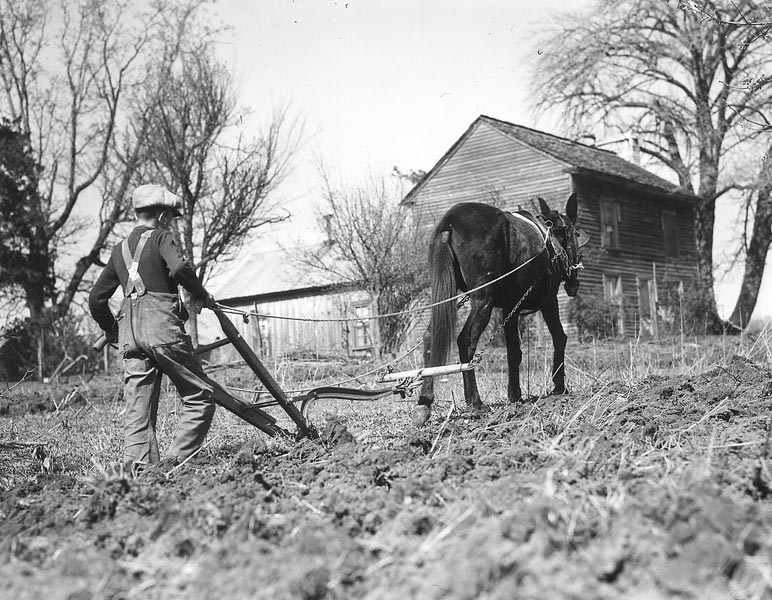
Here, people knew how to stretch a pot of soup to feed a crowd. They knew how to mend a pair of boots until the soles were more patch than leather. They knew how to coax life from a broken plow, how to preserve vegetables for winter, and how to turn scraps into something useful. These weren’t skills learned in crisis—they were skills passed down through generations, born from a life where every resource mattered.
The Land’s Quiet Offerings
Appalachia’s rugged terrain was never lavish, but it was never barren, either. Families depended on their gardens—corn, beans, potatoes, and greens—to keep hunger at bay. Chickens provided eggs, hogs provided meat, and cows provided milk. Hunting and fishing weren’t pastimes; they were necessities. Squirrel, rabbit, and fish weren’t just meals—they were the difference between a full stomach and an empty one.
The woods and fields offered more than just game. In the spring, families gathered wild greens like ramps and poke sallet. In the summer and fall, they harvested blackberries, walnuts, and wild apples. The land didn’t give easily, but it gave enough—if you knew where to look and how to use what you found.
Neighbors as Family
In Appalachia, survival was a shared endeavor. Communities were bound by more than geography; they were bound by shared struggle and shared strength. If a neighbor’s crops failed, others shared what they had. If a barn burned down, the whole community showed up to rebuild it. Bartering was a way of life—a jar of honey for a day’s work, a bushel of apples for some sewing. It wasn’t charity; it was the glue that held people together.
Church gatherings, barn dances, and quilting bees weren’t just social events—they were lifelines. Music and storytelling kept spirits alive, and laughter was as vital as a full pantry. In a time when the world seemed to be crumbling, these moments reminded people that they weren’t alone.
Making Do with What Was There
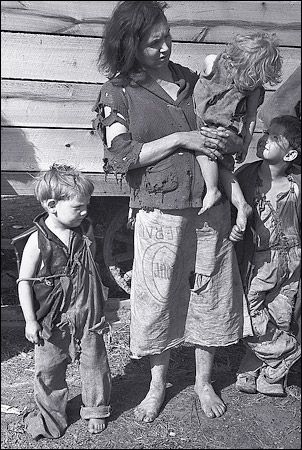
Appalachians were masters of reinvention. During the Depression, that skill was tested like never before. Old clothes were patched until they were more thread than fabric. Flour sacks became dresses, curtains, or dish towels. Broken tools were repaired, and worn-out tires were cut into soles for shoes. Nothing was wasted because waste was a luxury no one could afford.
Food was stretched in ways that required creativity. Cornbread, biscuits, and soups became staples because they were filling and could be made with little. Coffee, when it was scarce, was mixed with chicory or roasted grains to make it last. Appalachians didn’t just survive—they found ways to make life bearable, even when the world seemed determined to break them.
Outside Help and Complicated Legacies
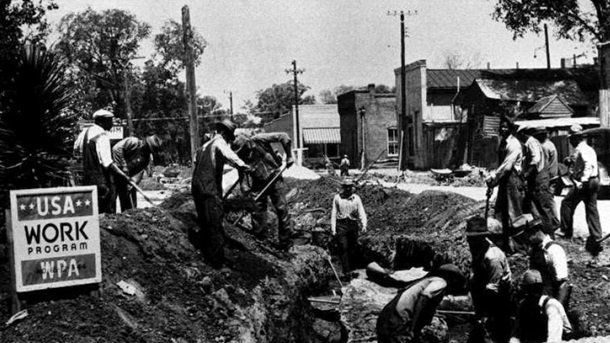
While Appalachians were largely self-reliant, outside help did arrive during the Depression. Federal programs like the Works Progress Administration (WPA) and the Civilian Conservation Corps (CCC) brought jobs and infrastructure to the region. Men worked on building roads, schools, and parks, earning wages that helped their families scrape by.
But this aid came with a cost. Photographers and writers sent by the government documented the region’s poverty, creating an image of Appalachia as a backward, struggling place. While this brought much-needed resources, it also cemented stereotypes that Appalachians have been fighting to shake ever since.
A Legacy Written in Callouses and Courage
The Great Depression didn’t end when the economy improved. For many in Appalachia, the struggle continued long after the rest of the country had moved on. But the toughness that carried people through the 1930s is still etched into the region’s identity. It’s in the gardens that cling to sharp ridges, the music that tells stories of hardship and hope, and the communities that still rally together when times are hard.
The story of how Appalachian people made it through the Great Depression isn’t just about survival. It’s about a way of life that values hard work, neighbors, and the quiet, unyielding offerings of the land. It’s about finding light in the darkest of times and holding on to what matters most. Appalachia’s story is one of tenacity, and it’s a story that deserves to be told—not as a tale of poverty, but as a testament to the strength of the human spirit.
-Tim Carmichael
 Echoes of Appalachia
Leave a comment