
For generations, tobacco has been the backbone of Appalachian farming communities. For many families, it was more than just a job—it was a source of survival. But it was also incredibly hard work, with little reward.
My family grew tobacco. It was grueling labor that spanned almost the entire year, and the payoff, when it came, was often underwhelming. From the backbreaking days of planting in the spring to the sweltering heat of the summer and the endless hours of curing and stripping in the fall, tobacco farming was a cycle of exhaustion. And after all that effort, the money you received from the tobacco warehouse was often a slap in the face.
The story of tobacco farming in Appalachia is also one of exploitation. It’s easy to imagine the life of early mornings, wide-open fields, but for those who lived it, tobacco farming was far from idyllic.

The Early Days: Planting and Growing
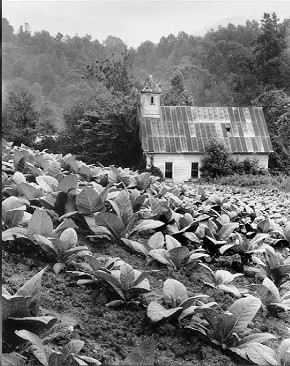
It started in the spring, when we planted the young tobacco plants, known as “sets.” Each plant had to be carefully set in the soil, spaced just right so it had room to grow. The fields had to be tended to constantly: weeds needed to be pulled, irrigation checked, and pests managed. It wasn’t easy work. Tobacco is a delicate plant that demands constant attention, and even a slight misstep could result in ruined crops.
The Fall Harvest: A Long Wait
By fall, the tobacco plants had matured, and it was time for the most physically demanding part of the process: the harvest. Tobacco leaves had to be stripped by hand, a process that could take hours. Workers would carefully select the largest leaves and peel them off the stalk. After harvesting, the tobacco would be hung on rafters to cure in the barn. The entire process required long hours.
Farmers weren’t just tending to crops; they were battling the weather—dealing with relentless heat, occasional heavy rainstorms, and sometimes even hail that could ruin the season’s work. Tobacco was unforgiving, and so were the days when it came time to sell.
The Warehouse and the Bitter Payoff
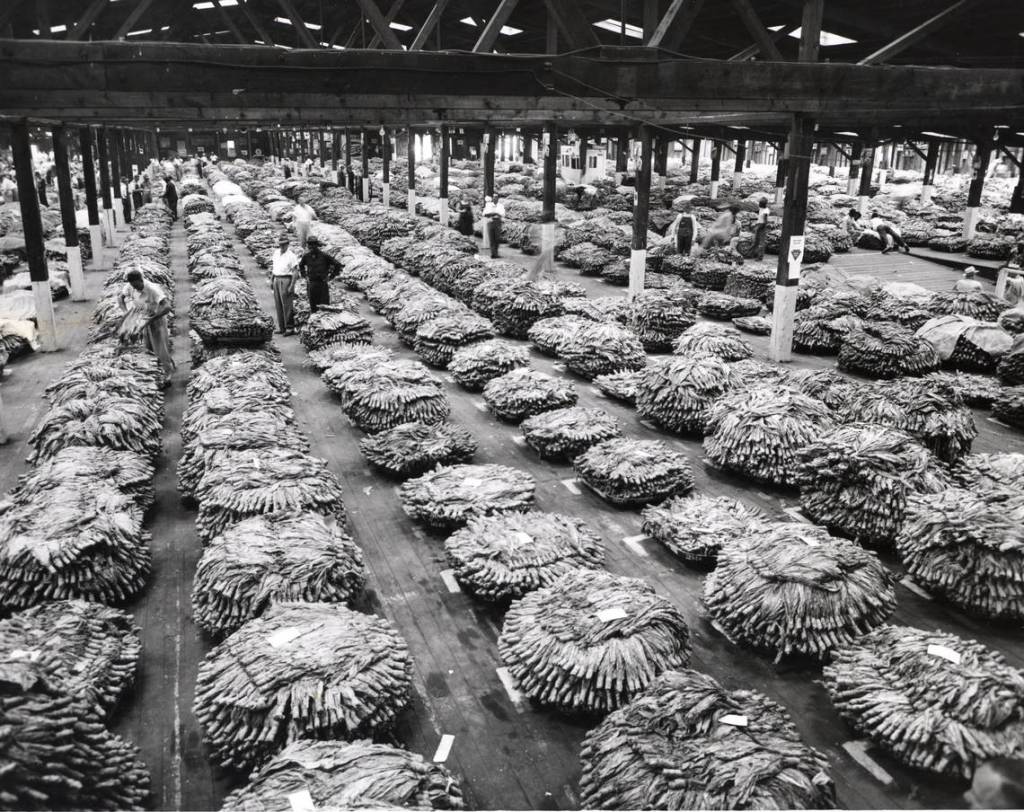
After weeks of labor, the next step was hauling the tobacco to the warehouse. This was where the reality of tobacco farming hit hardest. You’d walk into the warehouse with your carefully cultivated crop packed onto tobacco baskets, only to find that the prices set by the tobacco companies were rarely enough to cover the costs of all that labor.
The auction system at the warehouse was stacked against the farmers. Big buyers held the power. Small family farms didn’t stand a chance when the warehouses set their prices, and after paying for supplies, labor, and the transportation of the crop, there was often little money left over. For all the sweat and sacrifice, the final check rarely reflected the effort that went into the crop. You worked so hard, and yet it never felt like enough.
Farmers would leave the warehouse frustrated, knowing the price they received for their tobacco didn’t come close to what it was worth.
The Future of Tobacco Farming
Tobacco farming in Appalachia is a tough and often thankless endeavor, but it’s also an integral part of the region’s history and culture. For many families, it provided a living. Yet, the cycle of exploitation continues, and with it, questions about the sustainability of tobacco farming in the 21st century.
For farmers like my family, tobacco was always more than just a crop. It was a way to survive, to carve out a life in a place where opportunities were few. But as the years went by and the price of tobacco dropped, the reality set in. Farming tobacco became less and less viable. It’s a painful transition for many—watching a piece of the past slip away as larger forces outside their control reshape the landscape.
Tobacco’s grip on Appalachia may be loosening, but for those of us who grew it, its memory lingers.
-Tim Carmichael
 Echoes of Appalachia
Leave a comment