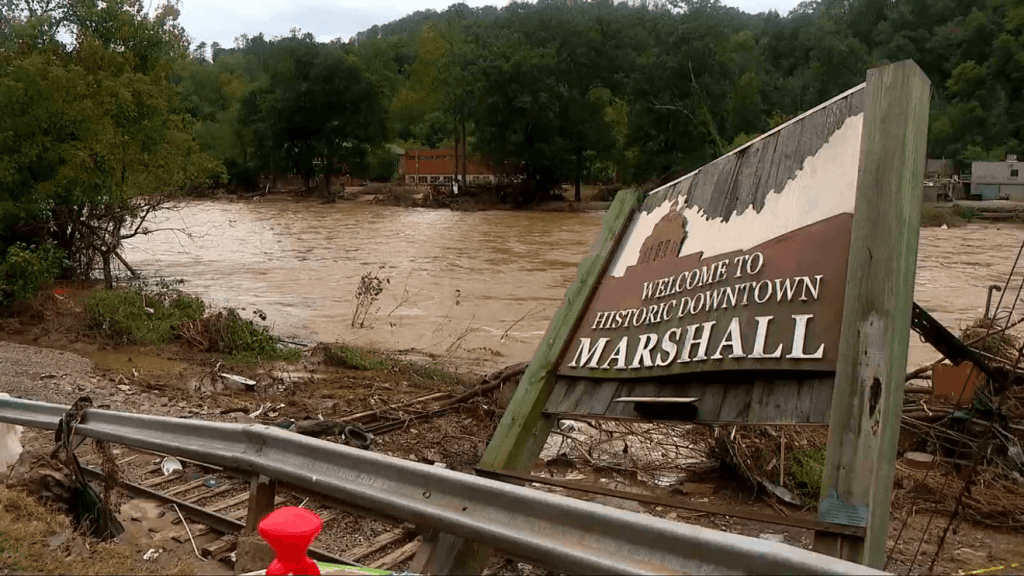
January 15, 2025, marks 110 days since Hurricane Helene ravaged Western North Carolina and East Tennessee, bringing historic rainfall, strong winds, and tornadoes. The storm caused widespread flooding and landslides, making it one of the deadliest U.S. storms of the 21st century, with over 100 confirmed deaths in North Carolina alone and an estimated $59.6 billion in damages across the state.
In the months since the storm, the people of Western North Carolina and Eastern Tennessee have been grappling with the aftermath. Many survivors are still living in temporary shelters, such as tents and campers, as they await permanent housing. The cold winter weather has only intensified their suffering, with many still without basic necessities.
I’m from one of the hardest-hit areas of Marshall, North Carolina, and my heart continues to hurt when I see all the destruction caused by this storm. Our community, like so many others in Western North Carolina and East Tennessee, has been ravaged, and it feels like the storm’s impact is still rippling through our lives, even 110 days later. We have been forced to endure unimaginable losses, and the emotional toll is taking its effect.
Newly sworn-in North Carolina Governor Josh Stein moved quickly to provide relief, issuing five executive orders on his first day in office to assist those hardest hit. These orders focused on providing food, shelter, water, and medical aid, as well as beginning the long process of rebuilding infrastructure. However, despite these efforts, recovery is moving slowly. Both state and federal support are needed to help the people who remain displaced.
Tennessee, similarly, devastated by the storm, is facing many of the same challenges. The destruction left by the storm has created widespread displacement, leaving many survivors living in substandard conditions with no clear timeline for when they will return to normalcy. With winter setting in, the situation is even more dire for those living without proper shelter.
One issue in this recovery process has been the role of large nonprofits. These organizations have raised millions upon millions of dollars for disaster relief, but questions remain about how the funds are being used. With the amount of money raised, nonprofits could have done far more to address the needs of those affected. Tiny homes could have been provided for nearly every displaced person, and yet many survivors remain in temporary shelters.
There is growing frustration with the fact that these nonprofits have not done more to cover basic costs, such as hotel bills for families still without a place to stay. The funds raised by these organizations should be directly supporting people in need, and their lack of transparency and action is alarming. It’s time to hold these groups accountable for their fundraising efforts and demand that they use the resources at their disposal to help those who need it most.
While political rhetoric and misinformation are swirling on social media, the real focus should be on providing direct support to those affected by the storm. Volunteers and donations continue to be crucial, but the situation calls for more than just well-wishing. The people of North Carolina, Tennessee, and beyond need real help — whether it’s through volunteer work, financial support, or pressure on nonprofits to step up their efforts.
As we mark 110 days since Hurricane Helene, it’s clear that the road to recovery is long. But with accountability, transparency, and collective action, we can ensure that help reaches those who need it most. The people of Appalachia deserve more than empty promises and political posturing — they deserve tangible support, and it’s time for all of us to step up and make that happen.
-Tim Carmichael
 Echoes of Appalachia
Leave a comment