
The Cherokee Native Americans, who are part of the Iroquois language group, have a deep and enduring history in the Appalachian Mountains. This mountainous region, which stretches across parts of North Carolina, South Carolina, Tennessee, Georgia, and western Virginia, has been home to the Cherokee for thousands of years. Their distinct language and traditions have shaped both the culture of the Appalachian region and their survival in the face of numerous challenges.
The Cherokee language is part of the Iroquois Nation, which includes tribes such as the Mohawk, Seneca, and Oneida. Despite linguistic ties to other tribes of the Iroquois Confederacy, the Cherokee maintained unique cultural and societal practices, including a matrilineal clan system that governed family and social structures. The Cherokee language, a key part of their identity, remains vital to the tribe today, as efforts continue to preserve and revitalize it.
For centuries, the Cherokee thrived in the southern Appalachian Mountains, adapting to the varied terrain and utilizing its rich resources. They developed sophisticated agricultural practices, cultivating crops such as corn, beans, and squash, which were often referred to as the “Three Sisters.” Hunting and fishing were also essential to their way of life, with the abundant forests and rivers providing food and materials. The Cherokee were skilled in weaving, pottery, and tool-making, all of which allowed them to create a thriving, self-sustaining community.
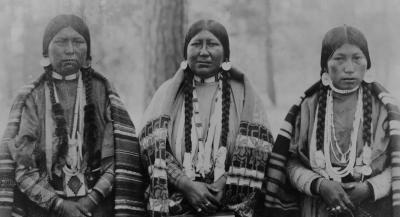
The Cherokee people have long held a deep spiritual connection to their surroundings. Their traditions, including rich oral storytelling, were used to preserve the wisdom of their ancestors. These stories, often told around a fire, served not only to entertain but to educate younger generations about the natural world, moral values, and the Cherokee way of life. These traditions continue to influence the broader Appalachian culture, where storytelling remains an important practice in the region.
The arrival of European settlers and the expanding United States brought immense challenges to the Cherokee. As settlers pushed westward, their desire for land resulted in a series of forced removals and broken treaties. The Cherokee were coerced into signing numerous agreements with the U.S. government that led to the loss of their homeland in the Appalachian Mountains. The most infamous of these events was the Trail of Tears in the 1830s, during which thousands of Cherokees were forcibly relocated to what is now Oklahoma. This relocation led to the deaths of thousands due to disease, malnutrition, and exposure, marking a tragic chapter in Cherokee history.
Today, many people in Appalachia who have lived in the region for generations may find Cherokee blood running through their veins. While not everyone has Cherokee ancestry, a significant number of individuals in the Appalachian region can trace their lineage back to the Cherokee and other Native American tribes. This connection serves as a reminder of the Cherokee’s lasting impact on the cultural and social fabric of the region.
Despite the hardships they endured, the Cherokee continue to play a significant role in the cultural and historical landscape of Appalachia. Their influence can be seen in modern-day practices and in the landscape, they once called home. From the cultural traditions they preserved to their lasting legacy, the Cherokee have left an indelible mark on the history of this region.
-Tim Carmichael
 Echoes of Appalachia
Leave a comment