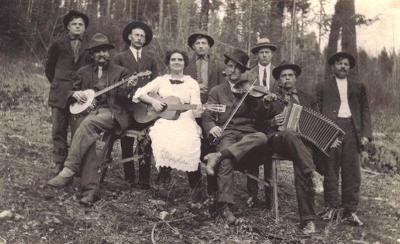
Appalachia’s rich musical heritage carries with it the echoes of centuries past, from ancient ballads to the sounds of stringed instruments that have become synonymous with the region. For generations, the songs of Appalachia were passed down through families and communities, each note and lyric holding a story of survival, love, hardship, and resilience. The mountains served as a natural barrier, allowing traditions to flourish in relative isolation, and the music created in these hills became a reflection of the people who called them home.
At the heart of Appalachian music is the old ballad tradition—stories sung to melodies that often date back to the British Isles. These ballads, some centuries old, tell tales of love lost, tragic fates, and everyday life, carrying the essence of both Europe and the American experience. As they moved from one generation to the next, these songs took on a distinctly Appalachian flavor, with local stories and themes woven into the original narratives. Singers would often add personal touches, shaping the song to fit their own community’s history and culture.
The instruments that accompanied these ballads were simple yet essential. The mountain dulcimer, often associated with the Appalachian region, was a favorite for its ease of use and melodic sound. Its gentle, droning tones provided the perfect backdrop for the haunting lyrics of the ballads. The dulcimer’s popularity grew in the 19th century, and its unmistakable sound became a symbol of the region’s musical identity. Played by plucking or strumming its strings, the dulcimer was a companion to those who lived in the hollows, offering both solace and joy.
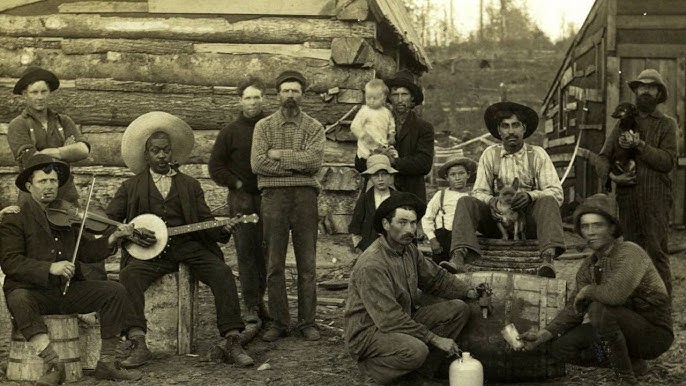
Another instrument with a strong place in Appalachian music is the banjo. Its African origins and journey to the American South via the enslaved people of the region gave it a unique place in the cultural fabric of the mountains. Early banjos were made from simple materials, and their rhythmic plucking brought a different dimension to Appalachian music. The banjo became a staple in both secular and religious music, providing an upbeat, lively contrast to the more somber ballads. Its sound, filled with syncopated rhythms, captured the spirit of the people—work songs, dance tunes, and celebrations of life and love.
As the 20th century rolled on, the influence of commercial music and technology slowly began to shape the sound of Appalachian music. Radio broadcasts and phonographs introduced new genres, and musicians began to incorporate instruments and styles from outside the region. Bluegrass, honky-tonk, and country music found their way into the hearts of Appalachians, altering the soundscape. However, the old ballads and traditional sounds still held sway, and even as new influences arrived, the region’s musical roots remained firmly planted in the past.
Today, Appalachian music is celebrated around the world, with musicians seeking to preserve its distinct sound and rich history. Festivals, performances, and recordings keep the spirit of the old ballads alive, ensuring that the stories and songs of the mountains continue to resonate with new generations. The dulcimer, the banjo, and the timeless ballads still carry the legacy of Appalachia, reminding us of a way of life that is both unique and enduring.
-Tim Carmichael
 Echoes of Appalachia
Leave a comment