
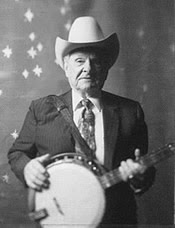
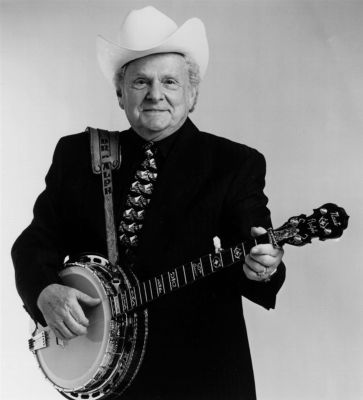
Ralph Stanley, a towering figure in the world of bluegrass music, remains one of the genre’s most influential and revered artists. With his unmistakable banjo playing and his haunting voice, Stanley helped shape the sound of traditional Appalachian music and ensured that the rich musical heritage of the American South would never be forgotten. His life and legacy continue to inspire countless musicians, and his contributions to bluegrass music will be felt for generations to come.
Early Life and Musical Beginnings
Ralph Edmund Stanley was born on February 25, 1927, in McClure, Virginia, in the heart of the Appalachian region. Raised in a family steeped in musical traditions, Ralph’s early exposure to mountain music set the foundation for his future. His father, Lee Stanley, was an amateur musician, and Ralph was introduced to both old-time mountain tunes and gospel music as a child. He also drew inspiration from his older brother Carter Stanley, who would later become his musical partner.
Ralph and Carter formed the Stanley Brothers in 1946, creating one of the most enduring duos in bluegrass history. Carter’s soulful voice, combined with Ralph’s high, lonesome singing style and virtuosic banjo playing, formed a sound that became synonymous with bluegrass. With their unique blend of Appalachian folk, gospel, and bluegrass, the Stanley Brothers quickly gained a dedicated following.
The Stanley Brothers and the Birth of a Sound
The Stanley Brothers, along with their band, the Clinch Mountain Boys, revolutionized the bluegrass sound in the late 1940s and 1950s. They recorded a string of iconic songs, including “Man of Constant Sorrow,” “White Dove,” and “How Mountain Girls Can Love.” These songs captured the essence of mountain life, the spiritual devotion of gospel, and the deep melancholy that permeates the Appalachian region.
Ralph’s banjo style became the hallmark of the group, characterized by intricate picking, fast tempos, and a unique rhythmic drive. His technique, influenced by early pioneers like Earl Scruggs, was marked by a distinct, sharp tone and precision. While Earl Scruggs is often credited with popularizing the three-finger banjo style, Ralph’s contribution was equally important. He helped preserve and refine the traditional clawhammer style of playing, a key part of the region’s folk heritage.
Carter Stanley’s voice was smooth and rich, complementing Ralph’s higher, more mournful tone, which became known as the “high lonesome sound.” This blend became one of the defining characteristics of bluegrass music and set the Stanley Brothers apart from other groups in the genre.
Tragedy and Triumph: Ralph Stanley After Carter’s Death
In 1966, tragedy struck when Carter Stanley passed away from complications related to a heart condition. The loss of his brother left Ralph devastated, but it also propelled him to carry on the music they had created together. Ralph continued to perform with his band, the Clinch Mountain Boys, and ensured that bluegrass music would remain alive.
His decision to honor his brother’s memory while continuing to evolve as an artist solidified Ralph’s place as one of bluegrass’s greatest figures. Over the next few decades, he recorded some of his most enduring solo work, including albums like Clinch Mountain Country (1970), Ralph Stanley and the Clinch Mountain Boys (1973), and The Lonesome River (1988). His music continued to explore themes of loss, love, and spirituality—universal topics that resonated with fans of all ages.
One of the most pivotal moments in Ralph Stanley’s career came in 2001 when he performed O Death for the soundtrack of the film O Brother, Where Art Thou? The haunting, a cappella rendition of the traditional Appalachian folk song, introduced Ralph to a new generation of fans and earned him widespread acclaim. The song’s chilling, mournful quality perfectly captured the essence of the “high lonesome sound” that had become his trademark.
The success of O Brother, Where Art Thou? earned Ralph Stanley a Grammy Award and revitalized interest in traditional bluegrass music. It also introduced the world to his commanding voice, which had grown even more powerful and weathered with age. Through his association with the film, Ralph Stanley became a beloved icon of Americana music, not only among bluegrass enthusiasts but also among a broader audience who had yet to discover his contributions to American musical history.
Ralph Stanley’s Legacy
Throughout his career, Ralph Stanley was committed to preserving the roots of bluegrass while pushing the boundaries of the genre. His music was always deeply rooted in the Appalachian mountains, yet it resonated far beyond the region. As a musician, he never shied away from telling stories of struggle, hardship, faith, and hope—themes that continue to resonate today.
Ralph’s influence extended beyond bluegrass as well. His legacy inspired artists across genres, from country music stars to folk singers to rock musicians. His mastery of the banjo, combined with his deeply emotive voice, set a standard for musicianship in bluegrass that many still strive to reach.
Ralph Stanley passed away on June 23, 2016, at the age of 89, leaving behind a monumental legacy. His music continues to be celebrated, and his impact on the world of bluegrass is immeasurable. In 2009, he was awarded the National Heritage Fellowship by the National Endowment for the Arts, solidifying his status as one of the true greats of American music.
Today, Ralph Stanley’s contributions to bluegrass are as vital as ever. His recordings continue to be a cornerstone of the genre, and his influence can be heard in the music of countless artists who follow in his footsteps. The raw emotion in his voice, the precision of his banjo playing, and his unwavering dedication to the traditions of his mountain home make Ralph Stanley a true icon, not only in bluegrass but in the broader landscape of American music.
Ralph Stanley’s music remains a living testament to the power of tradition, the richness of Appalachian culture, and the enduring spirit of bluegrass. His voice, his banjo, and his legacy will continue to echo through the hills of Appalachia for generations to come.
-Tim Carmichael
 Echoes of Appalachia
Leave a comment