The Appalachian region is rich in folklore and traditions, particularly when it comes to the holiday season. Christmas in the mountains has long been a time for celebrating with family, food, and a strong sense of community. Alongside the merrymaking, the people of Appalachia have woven a tapestry of superstitions and weather predictions that not only guide their holiday observances but also offer glimpses of the year ahead. Let’s take a look at some of these fascinating Appalachian Christmas customs.
1. Appalachian Christmas Weather Predictions
In the Appalachian mountains, weather has always been closely tied to folklore, with Christmas Day serving as a key predictor for the year ahead. This weather-based superstition suggests that how the weather behaves on Christmas Day can indicate the general weather patterns of the coming year. For example:
- Warm Christmas Day: A mild or warm Christmas Day is often believed to portend a cold Easter. This has roots in the notion that the cycle of seasons can be predicted through careful observation of specific days, with Christmas marking an important turning point.
- Cold Christmas Day: A frigid Christmas might signal a warmer than usual spring, indicating a shift toward early blooms and a gentle approach to the season of renewal.
These weather predictions often gave comfort and a sense of control over the unknown, with mountain folk attuned to the rhythms of the land and the natural signs around them.
2. Hog Pen Divination
One of the more unique and playful superstitions associated with Christmas Eve in Appalachia was the tradition of Hog Pen Divination. This custom, often practiced by young women, involved visiting the hog pen at midnight on Christmas Eve. The superstition was that the first pig to grunt would reveal details about the future husband of the young woman performing the ritual.
- If the pig was a young grunt, it was believed to indicate that the future husband would be a youthful and handsome man.
- A deep, gruff grunt could signify an older or more rugged partner, and some believed that the loudness or quality of the sound could even predict other qualities of the man, such as wealth or personality traits.
The belief was that by observing the pig’s behavior, young women could catch a glimpse of their romantic future, turning a simple farmyard visit into an event full of anticipation.
3. Cricket on the Hearth
The sound of a cricket chirping around Christmas was a powerful symbol of good fortune in Appalachian traditions. Known as the Cricket on the Hearth, the presence of a cricket was thought to bring prosperity and happiness into the home.
- The cricket’s chirp was seen as a sign that the family’s home was blessed with warmth, protection, and good luck for the coming year.
- It was believed that the cricket’s song would shield the household from harm and that the creature’s presence could ward off negative energy.
Some people even kept a cricket in their home year-round, seeing it as a lucky charm for health and happiness. The idea of finding a cricket on Christmas was seen as an especially strong omen, adding an extra layer of magic to the holiday season.
4. Chimney Letter Writing
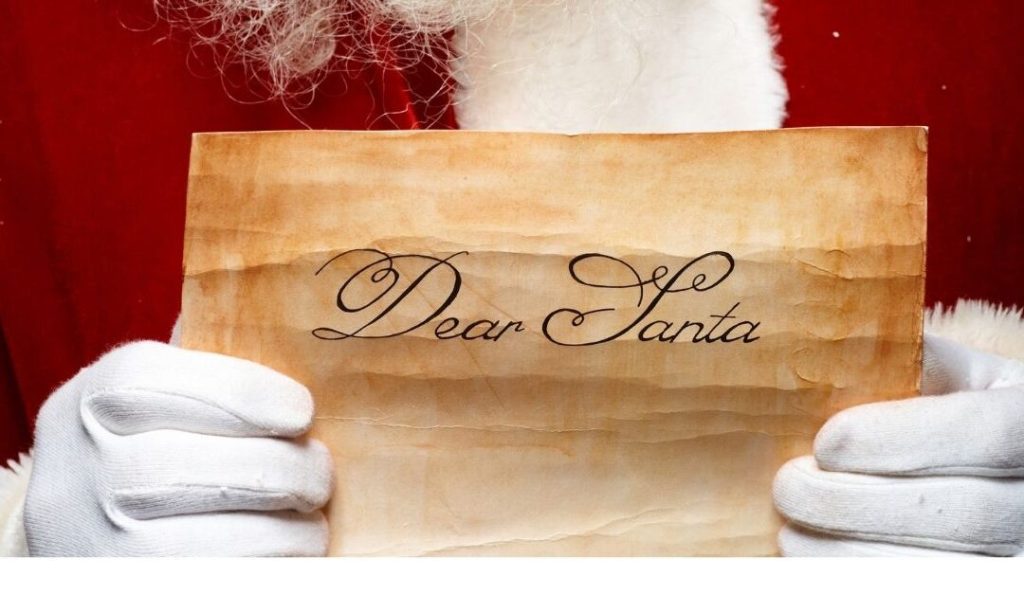
For many Appalachian children, writing letters to Santa was an essential Christmas tradition. However, the way these letters were sent was part of a unique Appalachian superstition. Rather than mailing their letters, children would burn their letters in the fireplace, believing that the smoke would carry their wishes up the chimney to Santa Claus.
- The belief was that the smoke would reach the North Pole and deliver the child’s wishes directly to Santa’s ears, ensuring a merry and magical Christmas morning filled with presents.
- Some families took this tradition one step further by adding a sprinkle of ash or a bit of soot from the chimney into the letter before it was burned, believing it could add extra weight to their requests.
This ritual combined the hope and excitement of Christmas with a mystical faith in the power of fire and smoke to carry wishes beyond the physical world.
5. Bees Humming on Old Christmas Eve
In some Appalachian communities, it was believed that bees would hum loudly in their hives on Old Christmas Eve (which falls on January 6, according to the old Julian calendar). This superstition held that the bees’ humming was a sign of the special, sacred nature of the night.
- People believed that the hum of the bees was a signal of blessings on the household and an indicator of good fortune in the coming months.
- The more pronounced the humming, the more prosperous the year was believed to be. Some families even gathered around their beehives to listen for this “Christmas hum,” considering it an important omen.
This custom speaks to the important relationship between humans and the world around them, where the behavior of animals and insects was often seen as a reflection of the world’s mysteries.
Appalachian Christmas superstitions are rich with meaning, rooted in the region’s traditions and culture. Whether through weather predictions, mystical rituals like Hog Pen Divination, or more whimsical beliefs like the Cricket on the Hearth, these traditions added a layer of magic to the Christmas season. While some of these practices may seem quaint or unusual today, they serve as a reminder of a time when the natural world and human life were intricately intertwined. In Appalachia, Christmas is more than a holiday—it’s a time for tradition, reflection, and the quiet magic of superstition.
-Tim Carmichael
 Echoes of Appalachia
Leave a comment