
Appalachia, a region rich in natural beauty and cultural heritage, has long been known for its rugged mountains, lush forests, and tight-knit communities. For generations, coal mining has been the backbone of the local economy, providing jobs and fueling the nation’s industrial growth. However, this industry’s methods have come at a steep environmental and human cost, particularly through the practice of mountaintop removal mining.
What is Mountaintop Removal Mining?
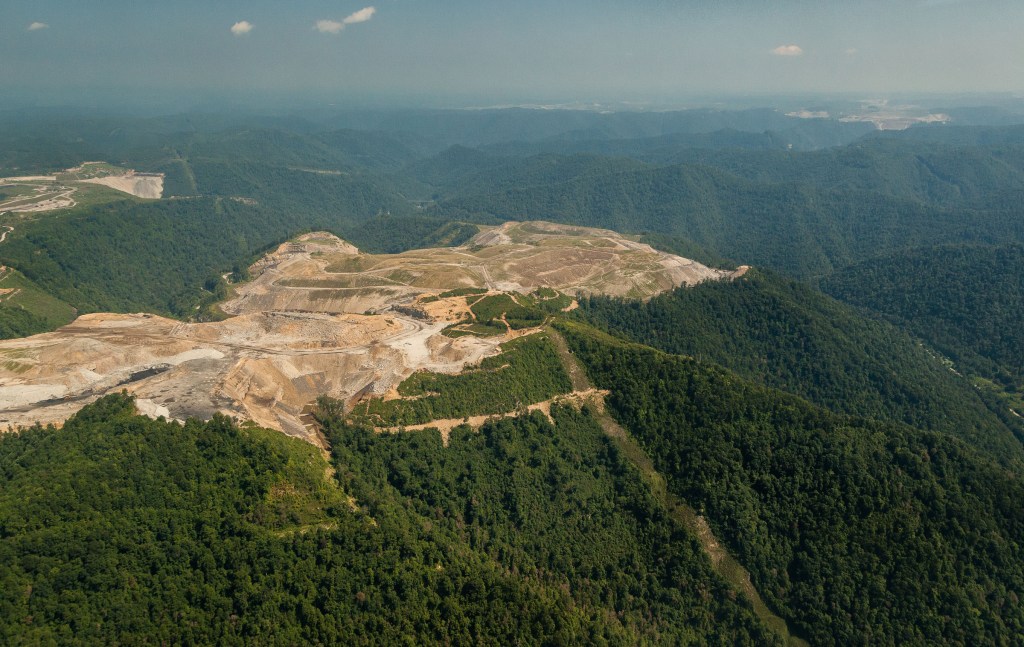
Mountaintop removal mining (MTR) is a form of coal mining where entire mountain peaks are literally blasted away in order to access coal seams underneath. The process involves the use of explosives to destroy the top of the mountain, and the debris—called “overburden”—is then dumped into nearby valleys, often burying streams and wetlands in the process. Hundreds of miles of pristine mountain streams, vital to the Appalachian ecosystem, are covered by this rock waste, creating a scar on the landscape that can take centuries to heal.
While this method of mining allows for more efficient extraction of coal, it comes at an enormous environmental cost, one that has far-reaching consequences for both the ecosystem and the people who call Appalachia home.
The Human Toll: Communities in Crisis
For the people of Appalachia, mountaintop removal mining has brought both economic promises and social challenges. Coal has long been the backbone of the region’s economy, but the environmental destruction associated with MTR is making life increasingly difficult for local communities.
One of the most immediate effects is the displacement of families. As mountains are leveled, entire communities are forced to leave their homes. Families who have lived in the region for generations are often relocated, their cultural ties to the land severed. In some cases, coal companies offer to buy out homeowners, but many residents feel trapped by the limited options available, with relocation often meaning the loss of their home’s value and community networks.
Health issues are also a major concern. The dust generated from the blasting and the chemicals used in the mining process are linked to respiratory problems like asthma and chronic bronchitis, as well as an increase in cancer rates. A study from the Appalachian School of Law found that people living near mountaintop removal sites are at a greater risk of developing life-threatening diseases. Drinking water contamination from polluted streams also poses a serious health threat, as the toxins from the waste materials seep into the groundwater, making it unsafe for both people and animals.
The Environmental Catastrophe: A Dying Ecosystem
The ecological consequences of mountaintop removal are nothing short of catastrophic. The most immediate and obvious effect is the destruction of entire landscapes. By leveling mountains and dumping the waste into valleys, MTR irreversibly alters the natural topography of Appalachia, leaving behind barren, lifeless land.
Perhaps the most disturbing aspect of MTR is its effect on water systems. The process buries hundreds of miles of streams, depriving aquatic life of its natural habitat. In a region known for its biodiversity, this has led to the destruction of countless species of fish, insects, and amphibians that rely on these freshwater ecosystems. The loss of clean water is also devastating for local wildlife, which depend on the streams for hydration and food.
The toxins from the mining process—such as arsenic, mercury, and selenium—are released into the environment, poisoning not only the streams but also the air and soil. Studies have shown that these toxins cause severe disruptions to the ecosystem, particularly to fish populations. Many fish species, like the native brook trout, are at risk of extinction due to the toxic runoff from mountaintop removal sites.
Further complicating matters is the long-term degradation of soil quality. The massive piles of mining waste that are dumped into valleys change the structure of the land, making it nearly impossible for plant life to grow again. What was once a thriving forest is now a barren wasteland where little to no vegetation can survive.
The Effect on Animals: A Struggle for Survival
The impact on wildlife in Appalachia is equally devastating. The Appalachian region is home to an impressive array of wildlife, from black bears and bobcats to deer and wild turkeys. However, the destruction of habitats caused by mountaintop removal has pushed many of these species to the brink of extinction. Animals that depend on the dense forests and clear streams for food and shelter are increasingly finding themselves without resources.
For example, the Northern flying squirrel, a species native to the Appalachian Mountains, has faced declining numbers in part due to habitat loss from mountaintop removal mining. The fragmentation of their forested habitats makes it harder for them to find food, shelter, and mates. Similarly, the eastern hellbender, a giant salamander that requires clear, cool streams to thrive, has seen its population plummet as streams are buried under rock waste.

Even animals that can adapt to the changing landscape are affected by the chemical contamination of the environment. The toxins released by the mining process enter the food chain, poisoning the animals that feed on plants, insects, and other wildlife. This creates a ripple effect throughout the food web, disturbing the entire ecological balance.
A Call for Change: Hope for Appalachia’s Future?
The plight of Appalachia is not without hope, but significant change is needed. Over the years, the movement to end mountaintop removal mining has gained traction, with environmental groups, local activists, and concerned citizens calling for a halt to this destructive practice. Legal battles have been fought, and some victories have been won, but the fight continues as the coal industry still wields substantial political power.
In recent years, renewable energy sources, such as wind and solar, have begun to provide more sustainable alternatives to coal. Transitioning to a green energy economy in Appalachia could offer a path toward economic revitalization, creating jobs that do not come at the expense of human health and the environment. Many local communities are starting to embrace this future, focusing on tourism, sustainable agriculture, and clean energy as alternative means of livelihood.
However, true progress requires not just a shift in industry, but a concerted effort to restore the damage done by decades of mountaintop removal. This includes efforts to clean up polluted water sources, restore damaged ecosystems, and support the families and communities who have been most affected by the mining practices.
Conclusion: Protecting Appalachia’s Legacy
Appalachia’s mountains are more than just physical landscapes; they are cultural and environmental treasures that have sustained generations of people and wildlife. Mountaintop removal mining has wreaked havoc on both the land and the people who live there, but it is not too late to act. By investing in sustainable industries, protecting the region’s natural beauty, and providing resources to affected communities, there is hope for a future where both the environment and the people of Appalachia can thrive.
The time for action is now. The mountains of Appalachia, and the people who call them home, deserve a chance to heal.
-Tim Carmichael
 Echoes of Appalachia
Leave a comment