In the heart of Appalachia, where the mountains meet the sky, Christmas was a time for community, reflection, and old traditions passed down through generations. Among the most charming and enduring practices was the tradition of the paper poke—a simple yet heartwarming custom that brought joy to both young and old alike. These small, lunch-sized paper bags filled with candy, nuts, and fruit were given out at country churches after the annual Christmas play, symbolizing a deep-rooted sense of generosity and the spirit of togetherness that defined the Christmas season in the mountains.
Paper Pokes: A Sweet Tradition
The paper poke, as it was affectionately known, was more than just a bag of treats. It was a tangible expression of the holiday’s joy, often handed out by church members after the Christmas play, a cherished event that brought the community together. On the night of the performance, families would gather in their Sunday best, their breath visible in the cold mountain air as they made their way to the small country churches that dotted the landscape. The play, often put on by children, would tell the timeless story of Christ’s birth—sometimes with a local twist that added a bit of humor or charm.
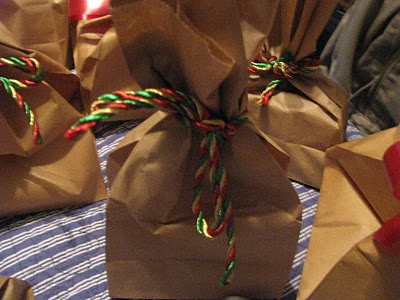
As the curtains closed and the final carol was sung, the real excitement began. The church would hand out paper pokes—humble lunch-sized bags filled with treats like shiny, red apples, bags of roasted peanuts, sugar-dusted candies, and perhaps a few pecans or walnuts. For many, this was one of the few times of the year they received candy, a true delicacy in an era when sweets were a rare luxury. Children would eagerly clutch their little bags, knowing they were not just receiving candy, but the kindness and hospitality of their neighbors.
Old Christmas: Celebrating on January 6th
While Christmas Day itself was a quiet, reflective time, particularly in the more rural parts of Appalachia, there was another day of celebration that held even more significance—Old Christmas. Celebrated on January 6, Old Christmas was steeped in superstition and centuries-old traditions, marking the day when many Appalachian communities believed Christmas truly arrived. The roots of Old Christmas lay in the old Julian calendar, which was used by some groups long after the Gregorian calendar had been adopted. This day, which coincided with the Feast of the Epiphany, was a time for merrymaking and celebration.
On Old Christmas Eve, the air would crackle with excitement. Young people would build bonfires and spend the night singing, shouting, and shooting off fireworks or firearms into the sky. It was a way of marking the passage of time and calling attention to the arrival of the holiday. Some would go serenading, sneaking up on friends and neighbors to sing loud, boisterous carols or even shout playful taunts. The sounds of fireworks and gunshots mixed with laughter and song, echoing across the mountains as the community welcomed the new year in its own unique way.
Homemade Gifts: The Heart of Christmas
In an era where material goods were scarce, many Christmas gifts in the Appalachian region were homemade, and often practical. There were no mass-produced toys or electronics—just the heartfelt offerings that families could create with their own hands. A hand-stitched quilt, a knitted scarf, or a carefully carved wooden toy could carry more meaning than any store-bought item. For many families, clothing was the most sought-after gift—socks, scarves, and mittens to protect against the harsh mountain winters. These were gifts of necessity, but they were also gifts of love, imbued with the care and labor of the giver.
Often, the homemade gifts weren’t wrapped in glossy paper or ribbons, but presented simply, perhaps tucked into a handmade cloth bag or tied with string. The focus was on the thought behind the gift rather than its material value. The tradition of homemade gifts reflected the resourcefulness of the people and the deep familial bonds that made Christmas special.
Serenading: A Tradition of Giving and Receiving
Another tradition that added to the Christmas cheer was serenading. Young people would sneak through the snow-covered streets, slipping up to the homes of friends and neighbors to sing or shout “Merry Christmas!” The serenade was no simple gesture—it was a playful way of asking for a gift or treat in return. Sometimes the serenaders would accompany their visit with fireworks or shots from a rifle or shotgun, adding to the festive chaos.
The goal of the serenaders was simple: to receive a small gift, perhaps a slice of homemade pie or a handful of nuts, in exchange for the joyful noise they made. The act of serenading was not only about receiving a gift, but also about sharing in the joy of the season. It reinforced the sense of community, where everyone played a part in making the holiday merry.
A Christmas to Remember
The traditions of paper pokes, Old Christmas, homemade gifts, and serenading all come together to paint a picture of a simpler, yet richer time. These customs were a reflection of the warmth of the Appalachian people, whose Christmases were marked not by lavish presents or commercial excess, but by deep community ties, acts of generosity, and a spirit of togetherness that transcended material wealth.
Though these traditions may not be as widely practiced today, the heart of Appalachian Christmas lives on in the stories passed down through generations. Whether it’s the memory of a paper poke filled with sweets or the echo of carolers in the cold night air, these traditions remind us of what truly matters during the holiday season: the love, laughter, and kindness shared with family, friends, and neighbors.
-Tim Carmichael
 Echoes of Appalachia
Leave a comment