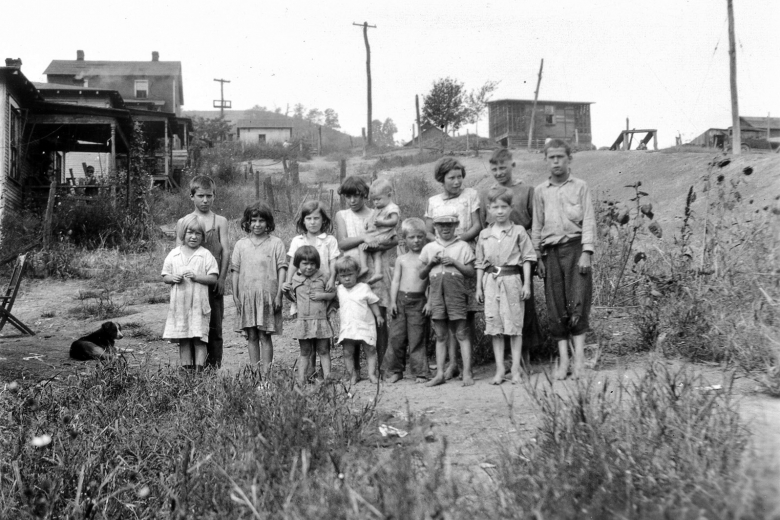
The Great Depression, which began in 1929 and lasted for most of the 1930s, was one of the most difficult times in American history. For millions of families across the country, it meant widespread poverty, unemployment, and hardship. But for children growing up in Appalachia—a region already struggling with poverty—this period was especially harsh. In this rural, mountainous part of the country, kids were forced to grow up quickly, learning to survive in a world that felt like it was falling apart. Their experiences shaped not only their own lives but also the culture and community of Appalachia for generations to come.
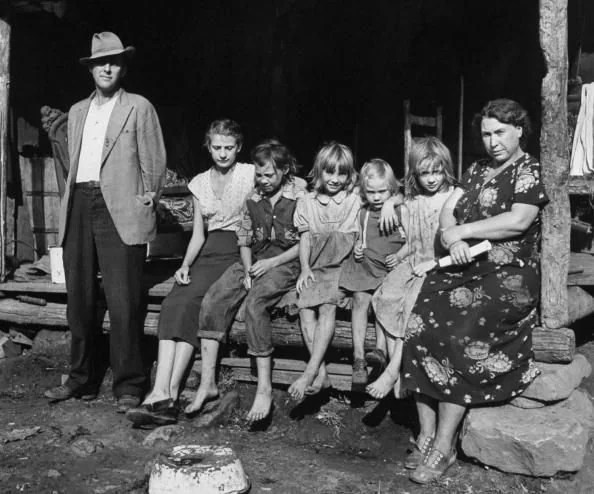
Appalachia, known for its rugged landscape and isolation, was hit particularly hard by the Depression. The region relied heavily on industries like coal mining, and when the mines closed due to low coal prices and labor unrest, jobs disappeared. Small farmers also struggled, facing poor harvests, falling crop prices, and a lack of modern farming tools. For many families, the economic downturn meant losing their only means of survival.
Children in Appalachia weren’t shielded from these hardships. With parents out of work and local businesses failing, many families were forced to get by with very little. In households where there wasn’t enough money for even basic needs like food or clothing, children had to pitch in however they could. Survival was the primary concern, and for these kids, it often meant skipping out on school to help at home.
Kids in Appalachia during the Depression didn’t have the luxury of a carefree childhood. They had to step up in ways that many children in other parts of the country didn’t. Boys often worked in the coal mines, despite the dangers, while girls helped with cooking, cleaning, and caring for younger siblings. Many children contributed to their families by growing their own food—tending to gardens, raising chickens, and even hunting and fishing to make sure there was something to eat.
Families in Appalachia, accustomed to making do with little, passed this mindset onto their children. Kids learned early how to use what they had, whether it was mending clothes, repurposing old items, or making toys out of scraps. They didn’t have much, but they made the most of it. This “make do” attitude became a way of life, and it helped families stretch every resource as far as possible.
For many Appalachian children, school wasn’t a priority during the Depression. With fewer teachers and limited resources, schools often closed or operated with very little. Those who did attend school were often in overcrowded classrooms with poor materials. And for children living in remote areas, getting to school could mean walking miles each way, often in harsh weather. School simply wasn’t something every child could rely on in those years, especially when survival at home came first.

Despite the lack of education and the hardships at home, one thing that stood out in these communities was the support people gave one another. Families helped each other out—sharing food, lending a hand with chores, and looking after each other’s children. Churches and local organizations played a role, too, providing assistance to families who were struggling. Children, even at a young age, understood the importance of helping others out. It was a way of life during the Depression—a time when survival wasn’t just about what you could do for yourself but also what you could do for your neighbors.
The impact of the Depression on children in Appalachia went far beyond the immediate struggle for survival. For many, the hardships of those years left emotional and psychological scars that lasted well into adulthood. The constant anxiety over not having enough food or resources created a mindset that valued hard work, thriftiness, and self-sufficiency. Many kids grew up faster than children in other parts of the country, facing responsibilities that no child should have to bear.
As they reached adulthood, many of these children found that the Depression had limited their opportunities. Education was often cut short, and the jobs available in Appalachia were few. The lack of access to higher education or professional careers meant that many stayed in the same line of work as their parents—often farming, mining, or working in low-wage jobs. The cycle of poverty continued for many families, and though many managed to make do, it wasn’t without a cost.
But even with all the hardship, the kids who grew up in Appalachia during the Depression learned valuable lessons. They became resourceful, hard-working, and incredibly close-knit. Family and community support were vital during those tough years, and these bonds remained strong long after the Depression ended. The values of self-reliance, cooperation, and determination stayed with these individuals, helping them cope with future challenges and pass those lessons down to the next generation.
The Great Depression was a time of unimaginable struggle for children in Appalachia. They grew up in an environment where survival was the primary focus, and each day brought new challenges. But even in the face of these hardships, the children of this era learned lessons that would shape their lives forever. The need to work hard, support each other, and make do with what little they had become a way of life. And though the scars of the Depression are still felt today, the strength and determination of those who lived through it continue to influence the culture and community of Appalachia. Their stories of survival, family, and community are woven into the fabric of the region, and their legacy lives on in the values passed down to future generations.
-Tim Carmichael
 Echoes of Appalachia
Leave a comment