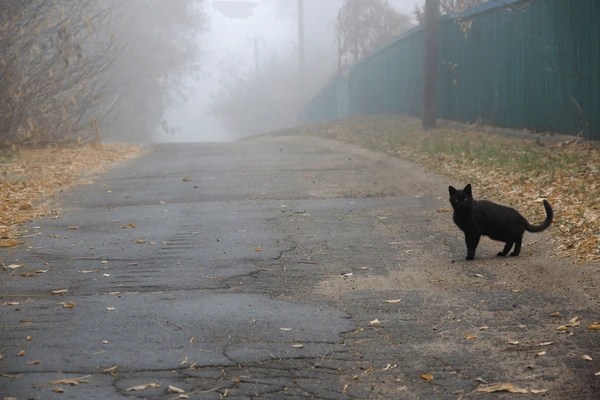
The Appalachian Mountains, with their mist-covered peaks and deep, secluded valleys, have long been a place of mystery and legend. For centuries, people living in these rugged hills have clung to a rich tapestry of folklore, much of which is steeped in superstition. These beliefs, shaped by the region’s isolation and close connection to the natural world, offer insight into the unique ways that Appalachian people have made sense of the world around them.
From warnings against whistling at night to rituals for warding off evil spirits, Appalachian superstitions are woven into the fabric of daily life, passed down through generations. They reflect the deep reverence people have for the land, the unseen forces that may influence their lives, and the mystical traditions that have flourished in this remote corner of the world. In this blog, we’ll take a closer look at some of the most enduring superstitions from the Appalachian region, exploring their origins, meanings, and the role they play in shaping the culture of the mountains.
The Origins of Appalachian Superstitions
The Appalachian region, stretching from the southern tip of New York down to northern Alabama, is home to a rich mix of cultures. Early settlers, such as the Scots-Irish, Native American tribes, and African Americans, each brought their own set of beliefs and customs. Over time, these various traditions mingled to create a tapestry of folk wisdom, often centered around the mysterious, the unknown, and the unseen. Many Appalachian superstitions are deeply connected to the land and its unpredictable nature, as well as the region’s isolated lifestyle, where the boundaries between the natural world and the supernatural seemed thinner than anywhere else.
1. Don’t Whistle at Night
A common superstition across the Appalachian Mountains is that you should never whistle at night. While this may seem like a peculiar rule to modern minds, it’s believed that whistling invites evil spirits or bad luck into your home. Some versions of this superstition claim that whistling can summon ghosts or even the Devil himself, who might be lurking nearby. It’s a superstition passed down through generations to protect oneself from malevolent forces in the stillness of the night.
2. The Curse of the “Haints”
The term “haint” is used in Appalachian folklore to describe restless spirits or ghosts. It is believed that haints are souls that have not found peace and often cause trouble for the living. One superstition associated with haints is that painting a house’s porch ceiling or doors blue will keep these wandering spirits away. The color blue is said to trick the spirits into thinking the area is water, which they will avoid crossing. This superstition is a practical yet mystical way to ward off what’s beyond the mortal realm.
3. Spitting on a Fish Before You Catch It
For fishermen in the Appalachian Mountains, there’s a quirky superstition: you must spit on a fish before you catch it. It’s thought that this act will ensure good luck and guarantee that you’ll have a bountiful catch. While the superstition may seem strange, it’s also a reflection of the deep connection Appalachian people have with nature and their belief that the natural world operates with its own set of rules. By respecting and acknowledging this, you might just end up with the best catch of the day.
4. Wishing on a Star
A classic superstition that transcends many cultures, including the Appalachian region, is the practice of wishing upon the first star to appear in the evening sky. This belief states that making a wish upon the first visible star guarantees that your wish will come true, provided that you are specific and honest about your desire. It’s a reminder of the mountain people’s connection to the cosmos, and the tradition still holds strong in many communities today.
5. The Power of the “Root Doctor”
The Appalachian Mountains are rich with folk healing traditions, and one of the most enduring beliefs is that certain individuals—often referred to as “root doctors”—possess the power to heal through both herbs and spiritual means. These healers are believed to have the ability to cure ailments, remove curses, or even protect against bad spirits by using plants from the wild and ancient rituals. Though many of these healers are seen as wise and skilled in their craft, the idea that they can also manipulate supernatural forces is something that continues to be taken seriously in many parts of Appalachia.
6. Don’t Let a Black Cat Cross Your Path
As in many parts of the world, encountering a black cat in Appalachia is often seen as a bad omen. In Appalachian folklore, the black cat represents bad luck, especially if it crosses your path while you’re on a journey. To counteract this, some people may perform a quick gesture, such as crossing their fingers or turning around and walking a few steps backward. Whether it’s superstition or just a relic of old European beliefs, it remains a widely held notion in the region.
7. The “Granny Woman’s” Advice on Pregnancy
Pregnancy and childbirth have always been surrounded by a wealth of superstitions in Appalachia. One of the most commonly known is the belief that if a pregnant woman looks at something, such as an animal or a tree, and she finds it ugly, her baby will resemble it. In the same vein, it was said that carrying around a charm made from a “granny woman” (a wise elder who practiced traditional medicine and spirituality) could help protect the unborn child from harm or evil spirits.
8. Keep Your Feet Off the Table
In Appalachian households, a common superstition warns against putting your feet up on the table. Doing so is thought to bring misfortune, especially to the person who commits the act. This superstition is based on an old belief that placing your feet on a table symbolizes disrespect or mismanagement of your household. The idea is that this bad energy will then manifest as bad luck or financial troubles.
9. Killing a Snake Brings Bad Luck
While most people would consider killing a snake to be a sign of self-defense, many in Appalachia believe that it brings bad luck. The superstition holds that killing a snake will incur the wrath of the creature’s spirit or the spirits of its ancestors. In some versions of the myth, the curse can be lifted if the person who killed the snake offers an appropriate ritual or offering to the spirit world.
10. The “Old Woman in the Mountain”
In the most remote parts of the Appalachians, stories of a mysterious “old woman” living in the hills are a chilling superstition. It is said that she watches over the mountain, ensuring that people follow the rules of the land. If you are disrespectful, unkind, or careless, you may find yourself lost or cursed by the “old woman in the mountain.” The belief in this spirit is part of the deep reverence for the land, the mountains, and the balance of nature that people in the region maintain.
The Enduring Mystique of Appalachian Superstitions
What makes Appalachian superstitions so compelling is their ability to transcend time and place. In an era dominated by technology and scientific understanding, these traditions offer a bridge to the past—a way of understanding the world that was shaped by nature, isolation, and an intrinsic belief in the unseen. Superstitions in Appalachia serve as a reminder of how the people of this region have long interacted with their environment, and how they continue to honor the mysteries of the world around them.
Whether you’re whistling at night, wishing on a star, or respecting the ancient spirits of the land, these Appalachian superstitions are more than just quirky beliefs—they’re a part of the region’s cultural identity, passed down through the generations, keeping the spirit of the mountains alive in the hearts of its people.
 Echoes of Appalachia
Leave a comment