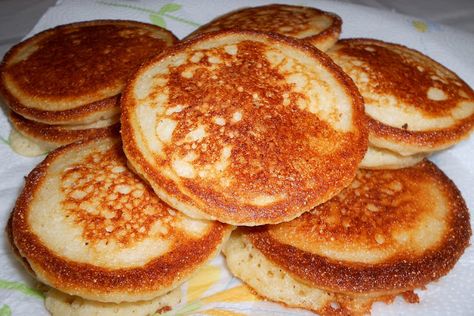
Food has a unique way of connecting us to our roots, to our families, and to the places we come from. For me, one of those deeply rooted dishes is the humble hoecake—crispy on the outside, soft on the inside, and always made with love. Growing up in the Appalachian Mountains, hoecakes were a frequent fixture at our family table. But it wasn’t just my family that cherished this simple, comforting dish. It turns out, hoecakes (or “johnny cakes,” as they’re sometimes called) have a much wider history, one that stretches from the Appalachian hills to the sun-kissed islands of the Caribbean.
In both places, hoecakes are more than just a dish—they’re a symbol of tradition, resourcefulness, and cultural resilience.
A Shared Tradition: Hoecakes in Appalachia and the Caribbean
In the Appalachian Mountains, hoecakes were a staple in mountain kitchens for generations. The name itself comes from the practice of early farmers frying cornmeal batter over an open fire using the flat side of a hoe. This method made it easy to cook a filling, affordable food while working in the fields. The dish became an integral part of Appalachian cuisine.
My granny used to make hoecakes all the time. We always referred to them as hoecakes, but in other places, they’re also known as “johnny cakes.” My mother loved them too, and she often made them for breakfast or as a side to dinner.
But what’s fascinating is that hoecakes have roots far beyond the Appalachian region. They’re also a beloved dish in the Caribbean, where they’re made in much the same way. The Caribbean version of hoecakes is often called “bake” or “johnny cake,” and while each island may have its own slight variations, the essence of the dish remains the same: a simple, satisfying fried cornmeal cake.
The connection between Appalachian hoecakes and Caribbean johnny cakes lies in the shared history of colonization and the African diaspora. Enslaved Africans brought their culinary traditions with them to both the Caribbean and the Southern United States, where cornmeal became a common ingredient. Over time, both regions developed their own versions of the dish, each adapting it to local tastes and ingredients.
The Comfort of Hoecakes
Whether in the Appalachian Mountains or on a Caribbean beach, hoecakes bring a sense of warmth, community, and nostalgia. In Appalachia, they were often enjoyed as a side to beans, greens, or fried chicken, or simply served with butter and honey. In the Caribbean, johnny cakes are often paired with savory dishes like stews, fried fish, or jerk chicken, or enjoyed with a dollop of jam or butter for breakfast.
The beauty of hoecakes is in their simplicity. Cornmeal, flour, water, salt, and a little fat are all you need to create a dish that can be dressed up or enjoyed on its own. And no matter where you are, there’s something about that crispy, golden crust and soft, crumbly interior that feels like home.
It’s incredible to think that a dish as simple as a hoecake has connected people across such diverse places. From the Appalachian mountains to the Caribbean islands, hoecakes are a testament to the power of food as a bridge between cultures and generations. For me, hoecakes are more than just a dish—they’re a connection to the past, to my roots, and to the love and care my family put into the kitchen. Every time I make them, I think of my granny’s hands, working the batter with practiced ease, and my mother’s laughter as we sat around the table. Food has a way of bringing people together, and hoecakes are the perfect example of that.
I hope this recipe brings as much comfort to your kitchen as it has to mine. Whether you’re making them for the first time or revisiting a family favorite, may each bite remind you of the people who helped shape your story.
Happy cooking!
-Tim Carmichael
Hoecake Recipe
Ingredients:
- 1 cup of cornmeal
- 1/2 cup all-purpose flour
- 1 tsp salt
- 1 tsp sugar (optional, depending on whether you like a sweeter cake) I don’t use sugar, but some people like it.
- 1 cup water (you can use buttermilk for a richer flavor)
- 2 tbsp vegetable oil or melted butter (plus extra for frying)
Instructions:
- Mix the dry ingredients: In a bowl, combine the cornmeal, flour, salt, and sugar (if using). Stir them together until well-blended.
- Add the liquid: Gradually add the water or buttermilk to the dry ingredients, stirring as you go. You want the batter to be thick, but spreadable. If it’s too thick, add a little more water until you achieve the right consistency.
- Heat the pan: Heat a large cast-iron skillet or nonstick frying pan over medium heat. Add about a tablespoon of oil or butter and let it heat up.
- Fry the hoecakes: Scoop Spoonfuls of the batter into the pan. Use the back of your spoon or a spatula to gently flatten them into small cakes, about 3-4 inches in diameter. Fry for 2-3 minutes on each side, or until golden brown and crispy.
- Serve and enjoy: Once the hoecakes are cooked, remove them from the skillet and place them on a paper towel to drain any excess oil. Serve hot, with butter, honey, syrup, or even savory toppings like beans or collard greens.
Tips for Perfect Hoecakes:
- Don’t rush the frying: The key to a perfect hoecake is frying them slowly. If the heat is too high, they’ll burn on the outside before they cook through. Medium heat is ideal.
- Use a cast-iron skillet if you can: There’s just something about the even heat distribution that gives hoecakes their crispy exterior and soft interior.
- Experiment with flavors: If you want to add a twist, try adding a bit of jalapeño for some heat or a handful of grated cheese to make them extra savory.
 Echoes of Appalachia
Leave a comment