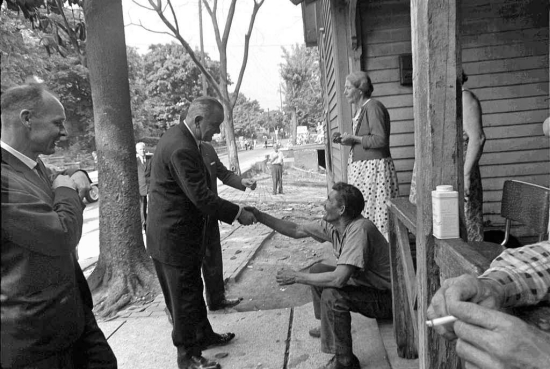
In Appalachia, a region rich in history and culture, people have long been used as pawns in political games. Despite the area’s resilience and strong work ethic, politicians often exploit Appalachian communities, using them for votes but offering little in return. This has created a troubling cycle that harms rather than helps, and it is crucial to recognize the impact of not voting and how it perpetuates this pattern of exploitation.
The Power of Political Exploitation
Appalachia has often been painted with stereotypes of poverty, isolation, and backwardness. These images are used by politicians to appeal to their bases, presenting themselves as saviors of the “forgotten” region. They promise change—economic revitalization, job creation, and better opportunities—but these promises rarely become a reality. Politicians capitalize on the frustrations and struggles of Appalachian communities, but when election day passes, so do their commitments.
The region’s economic hardship, stemming from the decline of industries like coal mining and manufacturing, is a focal point of these campaigns. Politicians promise to bring back jobs and create new industries, but their solutions are often shallow, offering nostalgia for a past that’s no longer feasible rather than solutions for the future. This creates a pattern where communities are led to believe that change is coming, only to be left behind once again.
The Exploitation of Values
Appalachian communities are deeply rooted in values such as family, religion, and patriotism. These are often used by politicians to gain support. Candidates attend church services, praise Appalachian traditions, and promise to protect these values. But these promises frequently come without substantial action. Issues like healthcare, education, and infrastructure, which directly affect families in the region, are ignored in favor of divisive, surface-level promises.
The exploitation of these values leads to disillusionment. When promises are broken, the people of Appalachia feel even more neglected. This sense of being used, rather than helped, has real consequences—not just in lost trust but in voter apathy, where people begin to question whether their vote even matters.
The Impact of Divisive Politics
The political climate in Appalachia is often marked by division—rural areas tend to lean conservative, while urban areas are more liberal. Politicians stoke these divides to further their own agendas, creating a narrative of “us versus them.” By framing Appalachian people as victims of government overreach or liberal policies, they distract from the real issues—corporate exploitation, systemic poverty, and lack of infrastructure.
This divisiveness doesn’t just keep communities at odds; it prevents meaningful collaboration that could lead to real change. When people are distracted by political rhetoric, they fail to see how the larger systems in place are contributing to their struggles. The longer this cycle continues, the harder it becomes to break free from it.
A Call for Political Education and Engagement
To break the cycle of exploitation, we need to start educating voters in Appalachia about the real power their vote holds. Politicians only pay attention to those who vote, and when large segments of the population abstain, they continue to exploit the region’s struggles. Non-voters must understand that by not voting, they are allowing the same empty promises to continue. Their silence is a tacit approval of the status quo.
Voter education can empower people to demand accountability. Instead of relying on superficial promises, Appalachian communities deserve long-term, sustainable solutions. Policies that address economic challenges, healthcare access, education, and infrastructure must replace empty rhetoric. Real change can only happen when people are informed and engaged in the political process.
Conclusion
Appalachia’s struggles have long been used for political gain, leaving the people who live there with broken promises and a sense of abandonment. But the key to ending this cycle lies in voter engagement. When more people in Appalachia understand how their vote impacts their lives, they can hold politicians accountable and demand real, lasting change. Only then can the region truly break free from exploitation and move toward a future where its potential is fully realized. It’s time for voters to recognize the power of their voice and vote to create a better future for themselves and their communities.
-Tim Carmichael
 Echoes of Appalachia
Leave a comment