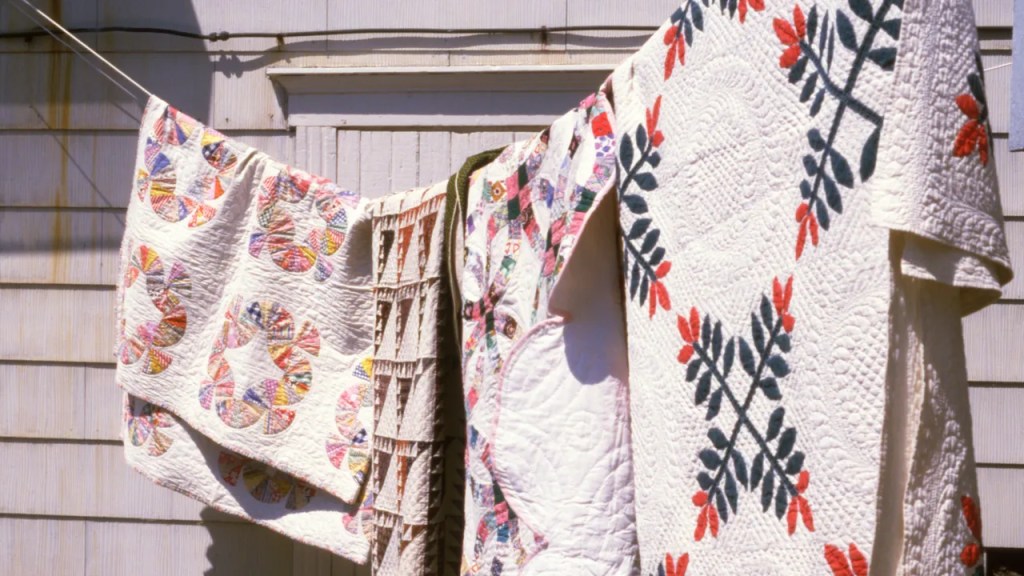
Appalachia, known for its rolling mountains, deep-rooted history, and vibrant culture, has long been a place where traditions are cherished and passed down through generations. One such tradition, quilting, holds a special place in the hearts of many families in this region. But Appalachian quilting is not just a craft—it is a unique expression of cultural fusion, blending influences from Scottish, Irish, German, Native American, Amish, and Quaker traditions. Together, these influences have shaped a quilting legacy that tells the story of the people, the land, and the heritage that make up this distinctive part of the United States.
The Origins of Appalachian Quilting
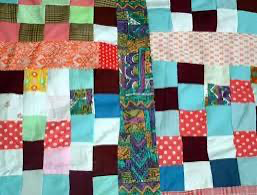
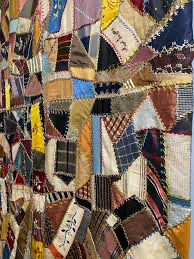
The story of quilting in Appalachia begins long before the craft became a beloved pastime. The Scots-Irish immigrants who settled in the Appalachian region during the 18th and early 19th centuries brought with them various sewing traditions. These early settlers were familiar with patchwork quilting, a method of sewing small fabric pieces together to create larger, functional pieces of cloth. This craft was both practical—providing warmth and comfort—and creative, offering an outlet for expression in the form of color, pattern, and design.
Over time, this tradition began to intermingle with the customs of other immigrant groups, each contributing their own unique style and techniques. German settlers, for instance, brought intricate embroidery and the concept of using bold, contrasting colors in their quilts. Meanwhile, the Amish, with their focus on simplicity and utility, introduced the notion of creating beautiful yet functional quilts using natural, muted colors.
The Role of Native American Influence
While much of the quilting tradition in Appalachia stems from European settlers, Native American cultures also played a significant role in shaping the craft. Native American quilters often incorporated symbols and patterns from their own cultural traditions, such as geometric shapes, arrows, and animals. The influence of these patterns can still be seen in Appalachian quilts today, with bold geometric designs and motifs inspired by nature being a recurring theme in many quilts.
Native Americans also taught settlers how to use the natural resources available in their environment, like dyes made from plants, to create vibrant colors for their quilts. These dyes, along with the use of hand-dyed fabrics, helped create the rich, earthy tones that are so characteristic of Appalachian quilts.
The Fusion of Amish and Quaker Traditions
Both the Amish and Quakers contributed to the quilting traditions in Appalachia, but their approaches were distinct. The Amish, known for their strong religious beliefs and commitment to simplicity, preferred quilts that were functional and modest. Their quilts often featured simple patterns, like the classic “Nine-Patch” or “Log Cabin” design, which are both easy to make and visually striking.
In contrast, the Quakers, known for their appreciation of both beauty and utility, often created quilts with more intricate designs, sometimes using contrasting colors to form stunning geometric patterns. Both groups valued handwork, and their quilts were often made to last for generations, becoming treasured heirlooms passed down from mother to daughter.
Quilting as a Cultural and Community Bond
Quilting in Appalachia is not just about creating a beautiful piece of fabric—it is about community, storytelling, and shared experiences. Quilting bees, where groups of women would gather to sew quilts together, were common in Appalachia. These gatherings were a time for socializing, storytelling, and passing on knowledge. In these circles, women taught each other new techniques, shared tips for using fabric scraps, and created bonds that would last a lifetime.
I remember my own experiences growing up in the Appalachian region, watching my Granny work her quilting magic. She had a quilting frame attached to the ceiling, and I would often sit with her as she worked. The frame would be lowered down, and she’d carefully arrange the quilt layers—sometimes an intricate design with beautiful, rich fabrics, other times simple and comforting patterns. I was young, but I remember being captivated by the process and, most of all, the finished quilts that would emerge. They were truly works of art—some delicate, others sturdy, but always beautiful.
I even remember helping her tack quilts. She would guide my hands as I learned the art of creating neat, even stitches, which helped secure the quilt layers together. It felt like a bond being formed not just between the quilt and me, but between generations—my Granny passing down something meaningful that had been passed down to her. These moments, simple yet profound, are what make quilting in Appalachia so special. It’s not just about making something functional; it’s about preserving a way of life and a connection to family and community.
Modern Quilting in Appalachia
Today, quilting in Appalachia continues to thrive, with both traditional and modern techniques being embraced by a new generation of quilters. Many Appalachian quilters continue to honor the old ways, using hand stitching, traditional patterns, and fabrics that evoke the past. At the same time, contemporary quilters are pushing the boundaries of design, creating quilts that blend modern fabrics and artistic techniques with the rich cultural heritage of the region.
In the heart of Appalachia, quilting is a living tradition, one that continues to evolve and adapt while remaining rooted in the past. It is a reminder of the region’s diverse cultural heritage, the ingenuity of its people, and the enduring power of craft to tell a story. Whether passed down from generation to generation or created in a modern quilting studio, Appalachian quilts remain a beautiful testament to the region’s rich history and cultural diversity.
Conclusion
The quilts of Appalachia are more than just works of art—they are a powerful reflection of the region’s past and present. From the Scottish and Irish settlers who first brought the tradition to the mountains, to the influence of Native American, Amish, and Quaker traditions, Appalachian quilts embody a rich tapestry of cultural influences. Today, quilting continues to be a way for communities to come together, share stories, and preserve their heritage. It is a craft that not only warms the body but also nourishes the soul, weaving together the threads of history, culture, and creativity into something truly beautiful.
For me, quilting is more than a craft—it’s a reminder of my Granny and the legacy she left behind. Every stitch tells a story, every quilt holds a memory, and each one is a link to the generations before me who kept this beautiful tradition alive.
-Tim Carmichael
 Echoes of Appalachia
Leave a comment