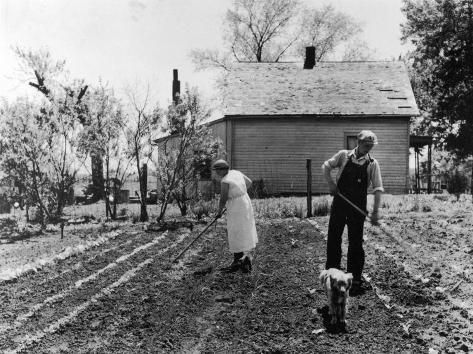
In recent years, the term “farm to table” has gained traction among upscale restaurants and culinary enthusiasts, often evoking images of vibrant, locally sourced produce and artisanal ingredients. But for many of us who grew up in Appalachia, the concept has a different, more pragmatic history. In our world, what’s now celebrated as a trendy lifestyle was simply a matter of survival.
The Reality of Appalachian Life
Growing up in the hills of Appalachia, our connection to the land was not a trendy movement; it was a necessity. My family, like many others in the region, relied on homegrown vegetables, fruits, and livestock to sustain ourselves. The growing season dictated our meals, and every bit of land was cherished for what it could produce. Canning, freezing, and preserving were not hobbies; they were vital skills passed down through generations.
We learned early on how to plant, tend, and harvest our crops. For us, the garden was a lifeline. A bounty in late summer meant plenty of fresh food for our table, but it also meant hard work in preparation for the colder months ahead. We often joked that our idea of “fine dining” involved an extra helping of green beans or a slice of homemade pie. The flavors we savored were the fruits of our labor, nothing more, nothing less.


The Farm to Table Trend
Fast forward to today, and the culinary landscape has shifted dramatically. The phrase “farm to table” has become a hallmark of the dining experience, often associated with high-end restaurants eager to market their use of locally sourced ingredients. Chefs proudly display their connections to local farms, highlighting their commitment to sustainability and freshness. It’s a beautiful concept, no doubt, but it feels like a distant echo of a lifestyle that many of us lived out of necessity.
For those who now flock to these restaurants, the idea of farm to table embodies a romanticized version of rural life—a curated experience that’s often stripped of the harsh realities many Appalachians faced. It’s easy to admire the rustic charm of a meal made with fresh, local ingredients when it’s enjoyed in a well-appointed dining room, but it’s essential to remember that for some, this was just a way to get by.
Bridging the Gap
What’s fascinating is how these two worlds can intersect. There’s a rich opportunity for dialogue and understanding between those who embrace the farm-to-table movement as a lifestyle choice and those who grew up in a culture where it was a means of survival. Both perspectives hold value. The past teaches us resilience and resourcefulness, while the present celebrates creativity and sustainability.
As we move forward, let’s remember the roots of this movement. It’s not just about fancy menus or trendy labels; it’s about honoring the land and the hard work that goes into growing food. We can appreciate the beauty of farm to table while acknowledging that for many, it was never a trend—it was a way of life.
So, the next time you hear “farm to table” echoing through the dining room, take a moment to reflect on its origins. For some, it’s an aspiration; for others, it’s a memory steeped in toil and tradition. By recognizing both sides of this story, we can foster a deeper appreciation for the food we eat and the hands that bring it to our tables—whether in a cozy Appalachian kitchen or a chic urban eatery. After all, at the heart of it all, it’s about survival, connection, and the simple joys of nourishing our bodies and souls.
-Tim Carmichael
 Echoes of Appalachia
Leave a comment