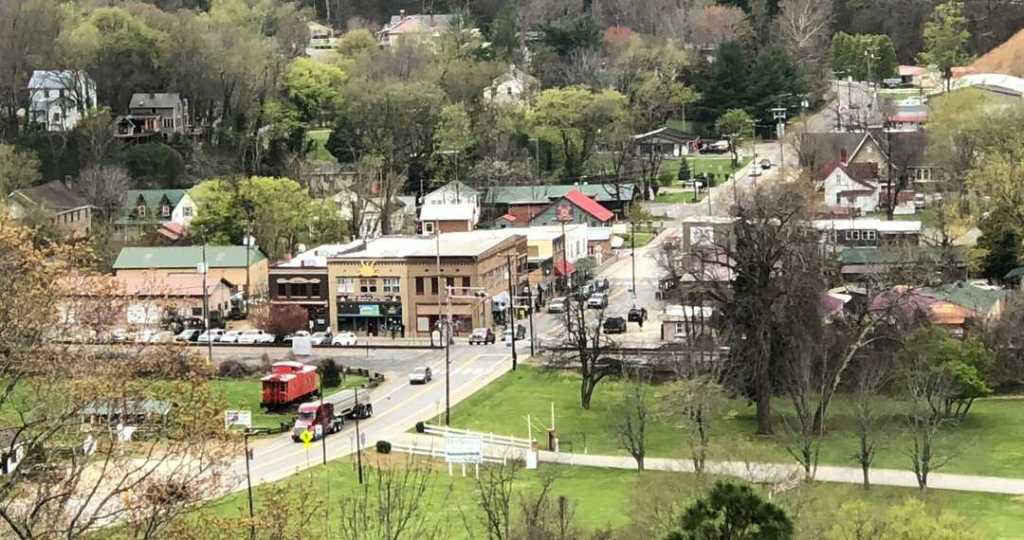
Nestled in the Appalachian Mountains, Hot Springs, North Carolina, boasts a history that reflects the broader narratives of American resilience, conflict, and community. Known primarily for its natural hot springs, the town has a rich past that stretches back to early Native American tribes and includes significant chapters during the Civil War and World War II.
Early Beginnings
The area’s geothermal springs were valued by the Cherokee people long before European settlers arrived. They believed the waters held healing properties, using them for both physical ailments and spiritual rituals. When settlers began arriving in the early 1800s, they quickly recognized the potential of the springs. By the 1830s, Hot Springs was officially established, and its reputation as a health resort began to flourish.
Civil War Era
Hot Springs’ strategic location made it significant during the Civil War. In 1861, the town became a gathering point for Confederate troops, who utilized its natural resources. The hot springs provided both comfort and relaxation to soldiers recovering from battles, highlighting the town’s dual role as a sanctuary and a strategic asset during a tumultuous period in American history.
The conflict also brought challenges, as the region was frequently traversed by both Confederate and Union forces. The town faced threats of destruction, but it largely managed to retain its structures and identity through the war.
The German Prisoner of War Camps
Another pivotal moment in Hot Springs’ history occurred during World War II. In 1944, the town became home to a German prisoner of war (POW) camp, one of many across the United States. This camp housed German soldiers captured in Europe and was part of a larger effort to manage the influx of POWs.


The interactions between local residents and the German soldiers created a unique cultural exchange. Many townsfolk reported friendships and a mutual respect that developed over time, offering a glimpse of humanity amid the harsh realities of war. This chapter not only shaped the lives of those involved but also left an indelible mark on the town’s history.
Post-War Developments
Following the closure of the POW camp, Hot Springs gradually returned to a sense of normalcy. The natural beauty and healing properties of the hot springs continued to draw visitors, but the focus remained on the town’s evolution. It became a hub for logging and agriculture, contributing to the local economy and maintaining its connection to the land.
Recent Challenges
In recent years, Hot Springs has faced significant challenges, including devastating floods caused by Hurricane Helene. These events have tested the community, but the determination to rebuild remains strong. Those who grew up just a few miles from Hot Springs are particularly invested in restoring the town to its former glory.


Hot Springs, North Carolina, is a town steeped in history, from its early days as a Cherokee healing ground to its role in major conflicts. Each chapter has contributed to the town’s identity, creating a narrative that is both rich and complex. As the community faces new challenges, the spirit of those who came before—who fought, healed, and built—will continue to guide Hot Springs into the future. Whether through its natural springs or the stories embedded in its landscape, Hot Springs remains a testament to the enduring human experience in the heart of the Appalachian Mountains.
-Tim Carmichael

 Echoes of Appalachia
Leave a comment