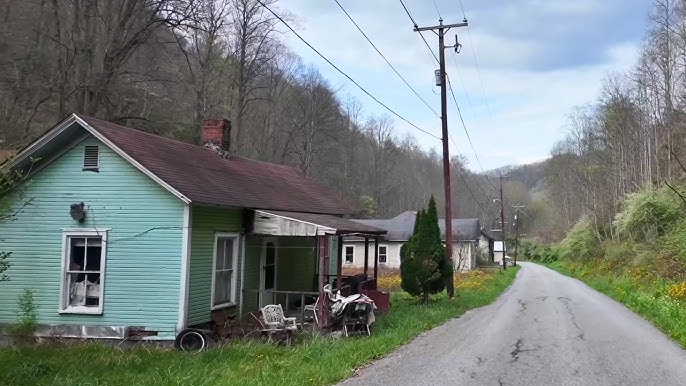
The Appalachian region, stretching from southern New York to northern Alabama, is home to some of the most picturesque landscapes in the United States. However, this beauty often contrasts sharply with the economic realities faced by many counties within the region. According to the U.S. Census Bureau, around 35% of the counties in Appalachia are considered economically distressed, with significant portions of their populations living below the poverty line. Several factors contribute to this ongoing poverty, creating a complex web of challenges that communities struggle to overcome.
Historical Context
Historically, the Appalachian region has been reliant on industries such as coal mining, timber, and agriculture. These industries provided jobs for generations but have seen significant decline due to automation, depletion of resources, and shifts in energy policies. As coal mines closed and timber became less viable, many workers found themselves without jobs, and the economic base of entire communities eroded.
Economic Dependence
The region’s economic dependence on a few industries has left it vulnerable to fluctuations in the market. When coal prices fell or regulations increased, many counties that had relied heavily on mining were left with little to no alternative employment opportunities. This narrow economic base means that when one sector suffers, the entire community can be affected.
Education and Workforce Development
Education levels in many Appalachian counties lag behind national averages. Access to quality education is limited, leading to lower high school graduation rates and fewer opportunities for higher education. In some counties, the adult population has less than a high school diploma. This lack of educational attainment translates into a workforce that may not have the skills required for emerging industries, further compounding economic challenges. Many young people leave the area for better opportunities, exacerbating the issue of a dwindling population and skilled labor force.
Infrastructure Challenges
Infrastructure in many parts of Appalachia is often underdeveloped. Rural areas may lack adequate transportation, making it difficult for residents to access jobs, healthcare, and education. Poor internet connectivity further isolates these communities, limiting access to remote work opportunities and online education resources that could provide pathways out of poverty.
Healthcare Access
Access to healthcare is another significant concern. Many impoverished counties in the region struggle with a shortage of medical facilities and professionals. High rates of chronic illnesses, combined with limited healthcare access, create additional barriers for residents trying to improve their economic situations. The high cost of medical care can lead to financial instability, trapping families in a cycle of poverty.
Political Views
The political landscape in Appalachia is often characterized by a mix of conservatism and populism, with many residents valuing traditional values and local governance. Economic struggles have led to a growing sense of frustration with federal policies perceived as disconnected from the realities of rural life. This has fueled support for candidates and policies that promise to revitalize the coal industry, protect jobs, and reduce regulations. However, there is also a burgeoning interest in progressive ideas focused on education, healthcare, and sustainable development, particularly among younger populations.
Local political views can vary significantly, influenced by the economic conditions and cultural identities of specific counties. In areas with high unemployment and economic distress, there may be more openness to exploring alternative economic models and government support, whereas more prosperous counties might lean toward maintaining the status quo.
Policy and Investment Gaps
Government policies and investment in the Appalachian region have historically fallen short. Many programs aimed at revitalizing the area have failed to address the root causes of poverty. A lack of targeted economic development initiatives and investment in infrastructure leaves communities to fend for themselves. While there are efforts to attract new industries and foster entrepreneurship, progress can be slow and uneven.
The Way Forward
Addressing the challenges faced by impoverished counties in Appalachia requires a multifaceted approach. This includes investing in education and workforce development, improving infrastructure, expanding access to healthcare, and fostering diverse economic opportunities. Engaging with local communities to understand their specific needs and aspirations is crucial to creating effective solutions.
In conclusion, the economic struggles of impoverished counties in the Appalachian region are deeply rooted in historical, economic, and social factors. With approximately one-third of the counties classified as economically distressed, recognizing these challenges is the first step toward fostering meaningful change and creating pathways for a more prosperous future. Through targeted investment and support, there is potential for revitalization and growth, allowing the Appalachian region to thrive once more.
-Tim Carmichael
 Echoes of Appalachia
Leave a comment