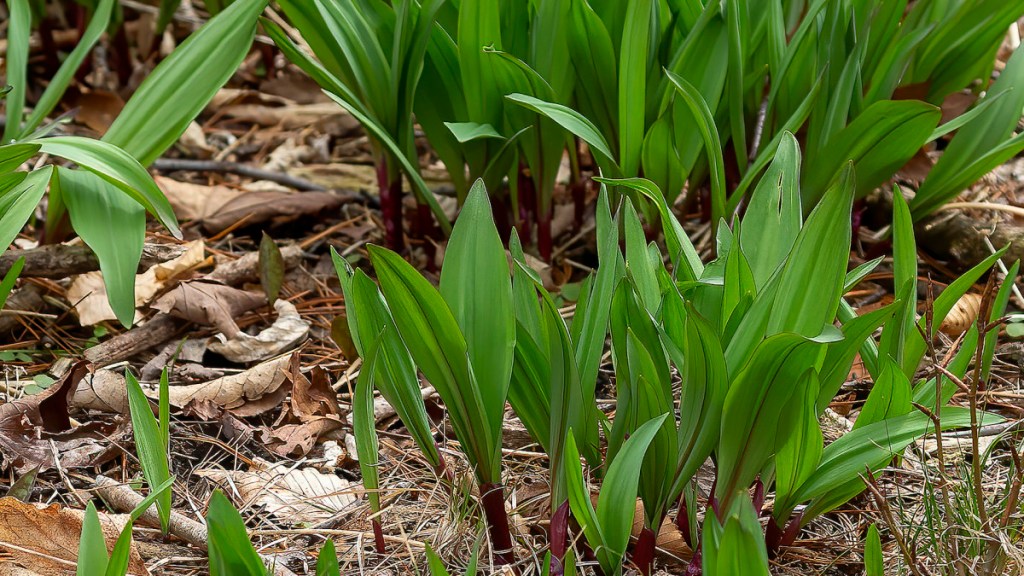
As spring arrives in the Appalachian Mountains, a unique and flavorful treasure emerges from the forest floor: wild ramps. These wild leeks, known scientifically as Allium tricoccum, are a beloved seasonal delicacy celebrated for their pungent aroma and distinct taste. Foraging for ramps has become a cherished tradition in many Appalachian communities, marking the arrival of warmer weather and the renewal of life in the mountains.

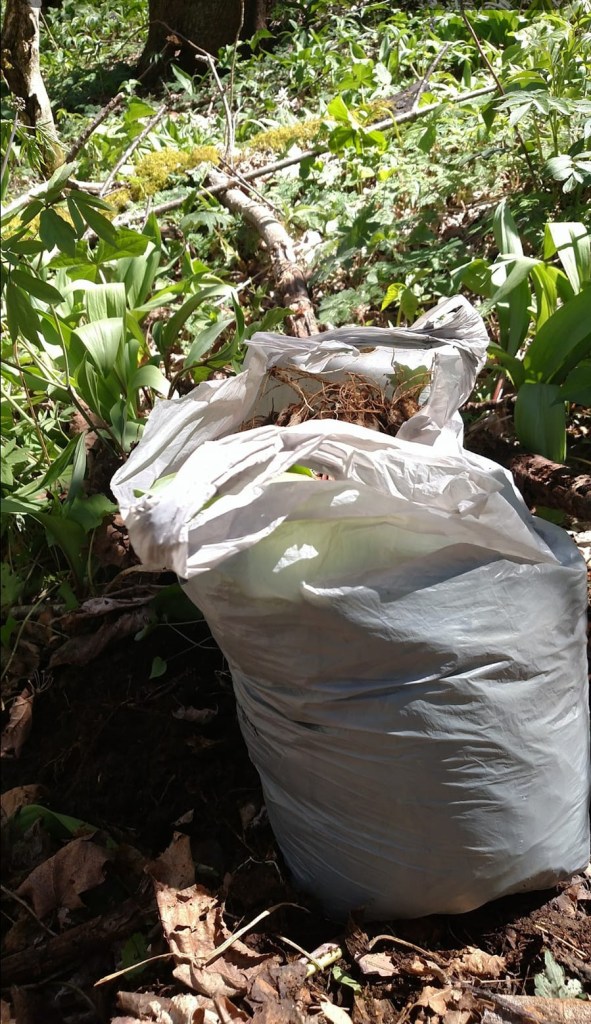
Ramps are one of my favorite springtime wild foods, and I particularly love them with fried taters, scrambled eggs and pickled. I remember the anticipation of my daddy waiting eagerly for those green leaves to appear. Once they were ready, he would dig ramps for hours filling up a burlap sack or a trash bag full of ramps, he was in his 80’s and he would carry that sack full of ramps out of the mountains on his own.
Ramps are perennial plants with broad, green leaves that resemble those of lily of the valley. They have a distinctive bulb at their base, which is often described as a cross between garlic and onion. The entire plant, from the leaves to the bulb, is edible, and its flavor can vary from mild to intensely garlicky, depending on the plant’s growing conditions.
Foraging Ethics
While the wonder of ramps can draw many to the woods, responsible foraging is crucial. Ramps have become increasingly popular, leading to concerns about overharvesting. It’s essential to follow sustainable practices: only take a few plants from each cluster, leave some behind to continue growing, and avoid taking bulbs if possible. Many foragers advocate for picking just the leaves, which can regenerate, allowing ramps to thrive for generations. As you can see in the picture my family has a huge ramp patch. We do dig the bulb, but we only thin the patch so that they will keep growing as you can see in the picture above.
Different Ways to Use
Wild ramps are incredibly versatile in the kitchen. Their flavor can enhance a variety of dishes, but my personal favorites are simple yet satisfying. Here are a few popular ways to enjoy ramps, with a nod to my top choices:
- Sautéed with Potatoes: Tossing sautéed ramps with crispy, golden potatoes creates a hearty dish that’s perfect for breakfast or a side at dinner.
- Scrambled Eggs: A classic way to incorporate ramps is to sauté them in olive oil or butter and add them to scrambled eggs for a delicious start to the day.
- Ramp Pesto: Blend ramps with nuts, cheese, and olive oil to create a vibrant pesto that can be used on pasta, sandwiches, or as a dip.
- Pickled Ramps: For a tangy treat, ramps can be pickled, offering a unique addition to charcuterie boards or sandwiches.
- Soups and Stocks: Add ramps to soups or stocks for an extra layer of flavor, complementing both meat and vegetable dishes.
Celebrating Ramps
Throughout the Appalachian region, communities celebrate ramps with festivals dedicated to this wild delicacy. These events often feature a variety of ramp-based dishes, local crafts, and live music, drawing people together to honor their culinary heritage. The Ramp Festival in Richwood, West Virginia, is one of the most famous, attracting visitors eager to enjoy the festivities and, of course, the ramps.
Wild ramps are more than just a culinary delight; they are a symbol of the changing seasons in the Appalachian Mountains. As you venture into the woods this spring, remember to respect these precious plants, ensuring that future generations can enjoy the unique flavor of wild ramps for years to come. Whether you’re a seasoned forager or a curious newcomer, the world of ramps invites you to explore, taste, and celebrate the bounty of nature.
-Tim Carmichael
**The picture above was the last time my daddy went and dug ramps**
 Echoes of Appalachia
Leave a comment