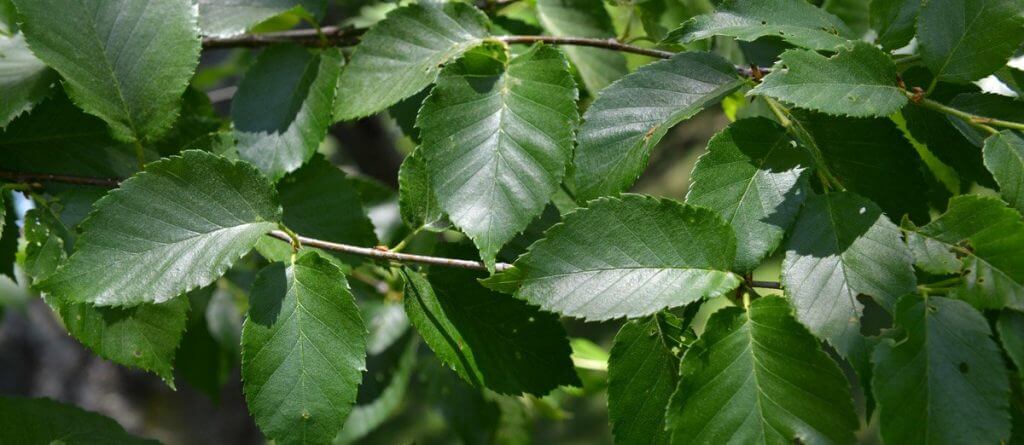
In the mountains, brushing teeth with birch twigs is a tradition that has stood the test of time. Many people, including my grandmother, relied on this simple method long before commercial toothpaste and plastic toothbrushes became the norm. She lived to be 93 with almost all her teeth intact, a testament to the effectiveness of her birch twig routine.
Birch trees are plentiful in the region, and their twigs have natural properties that make them effective for cleaning teeth. The young twigs are sturdy yet flexible. When cut to about three inches long and soaked in water, the ends become soft and suitable for brushing. Chewing on the end helps release the natural oils, which can aid in oral hygiene.
Using birch twigs is straightforward. Just take a twig, chew one end until it softens, and then use it to scrub your teeth gently. The fibrous texture helps remove food particles and plaque, promoting fresh breath and healthier gums.
But the benefits of birch don’t stop with the twigs. The bark of the birch tree can be used to make wintergreen extract, which has its own refreshing properties. Here’s a simple recipe to make your own birch extract:
Every time I see a birch tree, I can’t help but break off a twig and give it a try. It’s a quick reminder of this practical method that many have used for generations. As more people look for natural and sustainable alternatives to dental care, the birch twig method is gaining attention again.
So, next time you’re out in the woods and come across a birch tree, consider giving it a try. It’s a simple, eco-friendly way to take care of your teeth—just like my grandmother did for most of her life.
Birch Extract Recipe
Ingredients:
- Fresh birch bark (from a healthy birch tree)
- Vodka (or another high-proof alcohol)
- A clean glass jar with a lid
Instructions:
- Harvest the Bark: Carefully peel off a few strips of fresh birch bark, making sure not to harm the tree. Aim for thin layers.
- Prepare the Jar: Cut the birch bark into small pieces and place them in the glass jar, filling it about halfway.
- Add Vodka: Pour vodka over the bark until it’s completely submerged. Make sure the jar is sealed tightly.
- Infuse: Store the jar in a cool, dark place for about 4-6 weeks. Shake it gently every few days to help with the extraction process.
- Strain: After the infusion period, strain the liquid through a fine mesh strainer or cheesecloth into a clean bottle. Discard the bark.
- Store: Keep the extract in a dark glass bottle in a cool place. It can be used for flavoring, in recipes, or as a natural remedy.
-Tim Carmichael
 Echoes of Appalachia
Leave a comment