When most people think of Appalachia, the first images that come to mind are often of misty mountains, tight-knit communities, and age-old traditions passed down through generations. However, one aspect of Appalachian history that is often overlooked is the significant and lasting influence of African Americans on the culture, food, music, and traditions of the region.
The story of African Americans in Appalachia is one of strength, creativity, and deep cultural exchange. Though the African American population in Appalachia was historically smaller than in other parts of the South, their contributions have shaped the region in ways that are still felt today.
Historical Roots in Appalachia
African Americans have been part of the Appalachian landscape since the earliest days of European settlement. Many were brought to the region as enslaved laborers to work on small farms or in the burgeoning industries of coal mining and timber. After the Civil War, some freed African Americans remained in the region, building communities in rural and urban Appalachia. These communities became centers of African American culture, places where traditions, skills, and knowledge were passed down.
During the late 19th and early 20th centuries, many African Americans migrated to Appalachia in search of work, particularly in the coal mines of West Virginia, Kentucky, and Tennessee. Though the work was grueling and the conditions harsh, African Americans played an essential role in the development of the coal industry, which became the economic backbone of the region. This migration brought a diverse array of African American culture into Appalachia, weaving it into the fabric of mountain life.
Music: The Birth of a Unique Sound
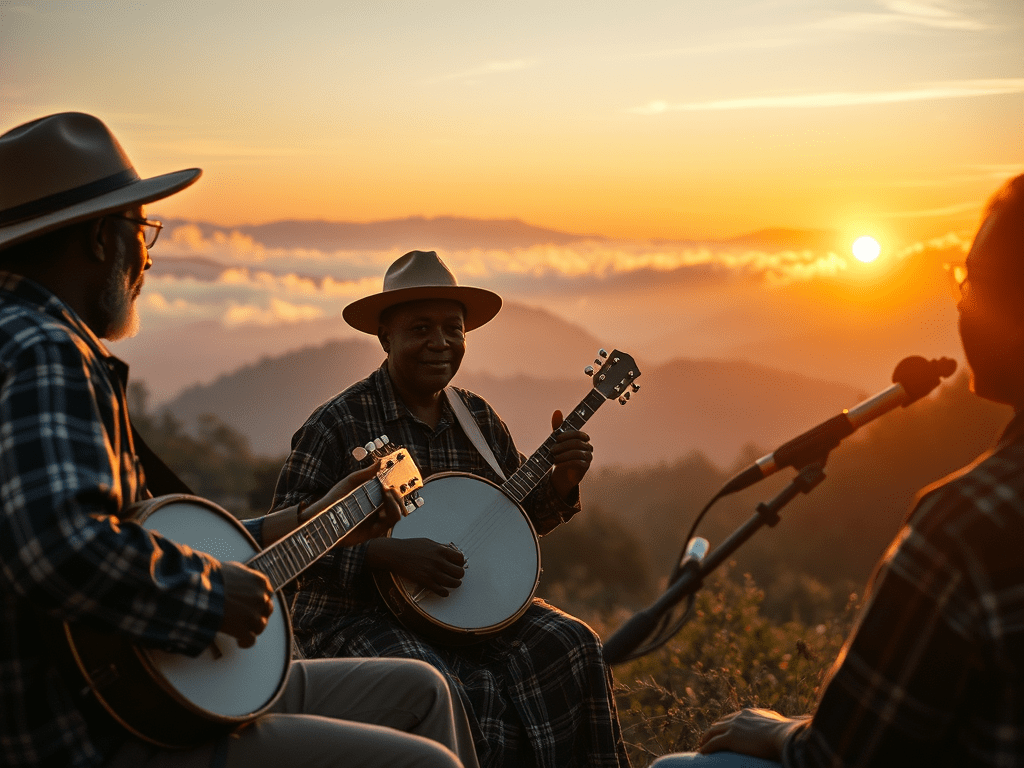
One of the most profound contributions African Americans made to Appalachian culture is in the realm of music. The music of Appalachia is often synonymous with bluegrass and old-time folk, but African American influences run deep in these sounds. The banjo, for example, an instrument now closely associated with Appalachian music, has its roots in West Africa. Enslaved Africans brought the early form of the banjo to America, where it was adopted and adapted by both black and white musicians in Appalachia.
Blues, gospel, and spirituals also heavily influenced Appalachian music. African American miners and farmers would sing spirituals and work songs, which blended with traditional Appalachian ballads to create a unique musical style. The blending of African rhythms, blues melodies, and traditional Appalachian folk tunes gave rise to a rich, distinctive sound that influenced the evolution of country, bluegrass, and early rock and roll.
African American musicians like Arnold Shultz, who was born in Kentucky, played a critical but often unrecognized role in shaping bluegrass music. Shultz taught Bill Monroe, the father of bluegrass, how to play the guitar, and his influence can be heard in Monroe’s groundbreaking style. Similarly, African American string bands and fiddle players helped shape the early sound of Appalachian music, though their contributions have often been overlooked in mainstream histories of the genre.
Cuisine: A Shared Culinary Tradition
African American food traditions also left an indelible mark on Appalachian cuisine. In many ways, the foods of Appalachia and the African American South are deeply intertwined. African American cooks brought knowledge of crops such as okra, black-eyed peas, and yams to Appalachia, as well as cooking methods that became staples of the region’s food culture.
For example, soul food dishes like collard greens cooked with ham hocks, fried chicken, and cornbread are as much a part of Appalachian cuisine as they are of African American cuisine. Cracklings (fried pieces of pork fat) and dishes made with off-cuts of meat, such as ham hocks and pig’s feet, reflect the resourcefulness of both African American and Appalachian cooking traditions, where no part of an animal was wasted.
Appalachian food was also influenced by the creative ways African Americans adapted their traditional recipes to the ingredients available in the mountains. Dishes like chicken and dumplings or beans and cornbread carry traces of African American culinary heritage, enriched by the shared experiences of poverty, strength, and community.
Storytelling and Folklore
African American storytelling traditions also merged with Appalachian folklore, contributing to the region’s rich oral history. African American spiritual beliefs and folktales—many of which have their roots in West Africa—intertwined with the stories of Scotch-Irish and Native American origins. Tales of “haints” (ghosts or spirits) and other supernatural beings in Appalachian folklore often share characteristics with African American folklore, revealing a blending of cultures over generations.
In communities where African Americans and white Appalachians lived and worked side by side, there was a constant exchange of stories, values, and lessons passed down through the generations. Storytelling, like music, became a bridge between cultures, allowing African American traditions to influence and shape the larger Appalachian narrative.
Strength and Community
Beyond music, food, and folklore, the influence of African Americans in Appalachia can be seen in the spirit of strength that defines the region. Both African Americans and white Appalachians experienced the hardships of life in the mountains—the isolation, the poverty, and the struggles for fair wages and better working conditions. In the coal mines, African Americans fought alongside their white neighbors for union rights and better treatment, forming a sense of solidarity in the face of exploitation and adversity.
Many African Americans built thriving communities in Appalachia, particularly in coal towns, where they worked to create schools, churches, and social organizations that supported their people. The sense of community and mutual support that African Americans brought to Appalachia helped shape the region’s values of independence, resilience, and self-reliance.
Legacy and Recognition
Today, the African American influence on Appalachia is being increasingly recognized and celebrated. From the recognition of African American musicians who helped shape Appalachian music to the appreciation of the shared culinary traditions that cross cultural lines, there is a growing acknowledgment of the role African Americans have played in shaping the region’s identity.
The history of African Americans in Appalachia is a testament to the power of cultural exchange, resilience, and the ways in which communities can grow stronger through shared experiences. While the African American population in Appalachia may not have been as large as in other parts of the South, their influence is woven into the fabric of Appalachian life in ways that continue to resonate today.
As we continue to explore the rich history of Appalachia, it’s important to recognize and honor the African American contributions that have helped shape this region’s culture, music, food, and spirit. Their legacy is one of strength, creativity, and an enduring impact that continues to inspire and enrich Appalachian life.


 Echoes of Appalachia
Leave a comment